Blog · Buyer guide
How much is a down payment on a Huntington Beach home?
What a down payment actually costs on a Huntington Beach home, from conventional minimums to jumbo territory, gift funds, and why 20 percent is a myth.
September 15, 2026 · 13 min read
By Justin Ratowsky, Principal agent, Ratowsky Group at Compass
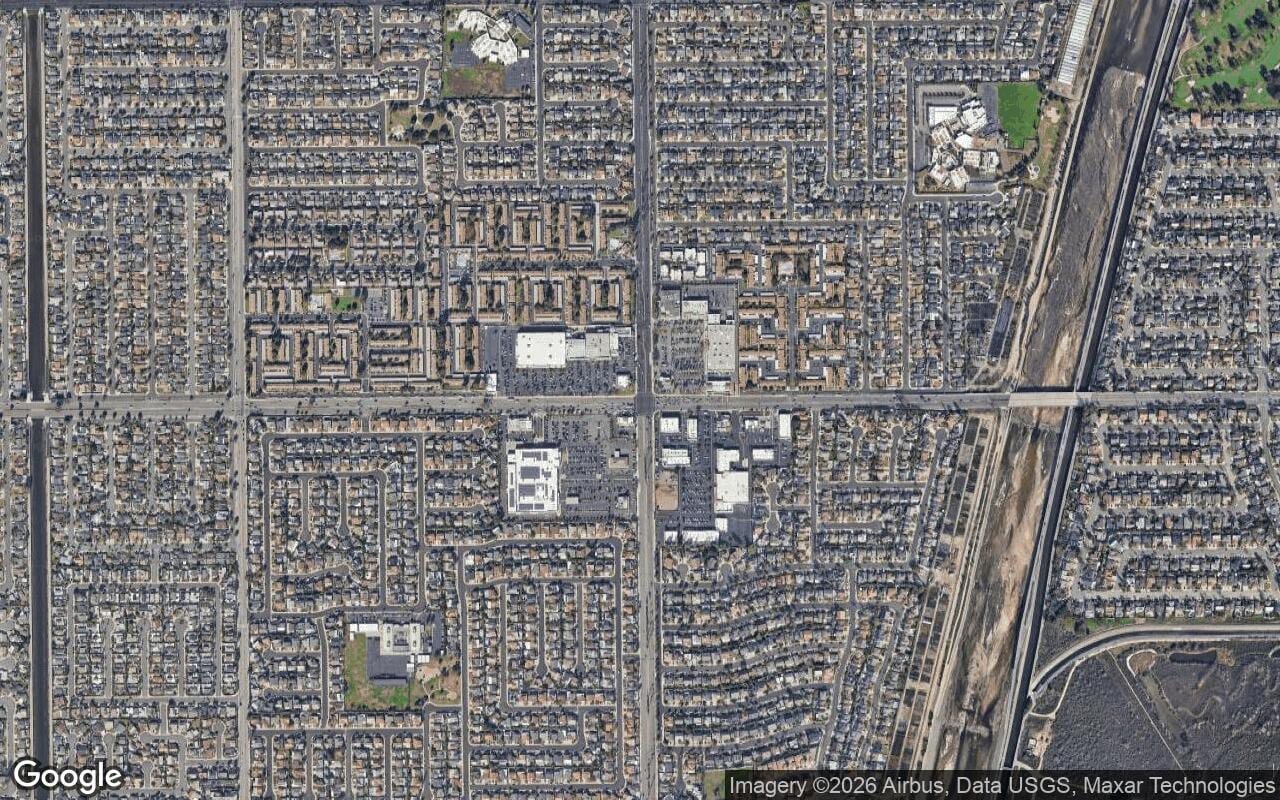
A down payment on a Huntington Beach home can start at 3 to 5 percent on a conventional loan, not 20 percent. Higher coastal prices push many Orange County buyers into jumbo loans, where 10 percent or more is common.
So how much do you actually need to put down in Huntington Beach?
Here is the short version. On a conventional loan, qualified buyers can put down as little as 3 to 5 percent of the purchase price, and government-backed loans have their own low minimums. The full 20 percent that people quote is not a requirement, it is just the threshold where you stop paying private mortgage insurance on a conventional loan. In Huntington Beach, the bigger variable is not the percentage, it is the price, because coastal prices push a lot of buyers past the conforming loan limit and into jumbo territory, where lenders usually ask for more money down.
So the real answer depends on two things: the loan type you qualify for and the price tier you are shopping in. A condo near the 92648 side of town and a single-family home in Huntington Harbour do not require the same amount of cash, even at the same down payment percentage, because the price gap is large. This guide walks through the ranges, the jumbo question, and how gift funds fit in.
If you want to talk through your own numbers before you tour anything, Justin and Craig Ratowsky are happy to help you map it out. You can start on the buyers page or reach them directly through the contact page.
What is the difference between conventional and jumbo down payment minimums?
A conventional loan is a mortgage that follows the guidelines set by Fannie Mae and Freddie Mac and stays at or under the conforming loan limit. For a one-unit home, qualified buyers can sometimes go as low as 3 percent down on these loans, and 5 percent is common. Anything under 20 percent typically comes with private mortgage insurance, which is an added monthly cost that falls off once you build enough equity.
A jumbo loan is a mortgage that exceeds the conforming loan limit. Because the loan is larger and the lender is taking on more risk without a government backstop, jumbo programs usually ask for more money down. Ten percent is a common floor, and many jumbo lenders want 15 to 20 percent depending on the loan size, your credit, and your reserves. Terms vary widely from lender to lender, which is why it pays to compare a few local mortgage lenders rather than assuming one set of rules applies everywhere.
The practical takeaway for Huntington Beach is simple. Whether your loan is conventional or jumbo often decides your minimum down payment more than any single rule of thumb. That is why the conforming loan limit matters so much here, and it is worth understanding before you set a budget.
Why do coastal Huntington Beach prices push so many buyers into jumbo loans?
Huntington Beach sits in a higher price band than much of the country, and that changes the math. When a home price climbs above the conforming loan limit and you are not putting a large amount down, the financing crosses into jumbo territory. In a coastal Orange County market, that line gets crossed often, especially for single-family homes and anything near the water.
The Federal Housing Finance Agency sets conforming loan limits each year, and it raises them in high-cost counties. Orange County is one of those high-cost areas, so the local ceiling is well above the national baseline. Even with that higher limit, a large share of Huntington Beach single-family homes still price above it, which is why so many buyers here end up in a jumbo conversation whether they expected to or not.
Craig has watched this shift over decades of selling in this town, and Justin sees it constantly with today's buyers. The point is not that jumbo is bad, it is that you should know early whether your target price and your down payment plan land you in conventional or jumbo, because it affects your cash needs and your rate.
What is the conforming loan limit in Orange County?
The conforming loan limit is the maximum loan amount that Fannie Mae and Freddie Mac will back. It changes annually, and high-cost counties like Orange County get a higher ceiling than the national baseline. According to the Federal Housing Finance Agency, the 2025 conforming limit for a one-unit home in high-cost areas, including Orange County, is $1,209,750.
What that means in plain terms: if your loan amount stays at or under that figure, you can generally use a conventional loan with its lower down payment options. If your loan amount goes above it, you are looking at a jumbo loan and, usually, a larger down payment.
This is where price and down payment interact. On a home priced right at the limit, a small down payment might still keep your loan under the ceiling. On a higher-priced Huntington Beach home, you may need to put more down specifically to keep the loan conforming, or accept jumbo terms. A good lender will run both scenarios so you can see the trade-off in dollars.
Is 20 percent down actually required to buy in Huntington Beach?
No. Twenty percent is the most persistent myth in home buying, and it stops people from starting who could actually qualify today. On a conventional loan, 20 percent is simply the point where you avoid private mortgage insurance. It is not a minimum, and plenty of buyers close with far less down.
There are real reasons some buyers still choose to put 20 percent or more down. It removes mortgage insurance, lowers the monthly payment, and can strengthen an offer in a competitive situation. In a market where sellers weigh the certainty of a deal, a larger down payment can signal a buyer who is less likely to hit financing snags. That is a strategy conversation, not a rule.
The flip side is that tying up more cash than you need to can leave you thin on reserves for closing costs, moving, and the first year of ownership. There is no single right answer. Justin walks buyers through this on the buyers page, and first-time buyers can find a deeper breakdown in the first-time buyer guide for Huntington Beach.
What do down payments look like across Huntington Beach price tiers?
Percentages can feel abstract, so it helps to translate them into dollars against real Huntington Beach price tiers. The figures below are illustrative and rounded to show how the math scales, not quotes on any specific home. Prices move over time, so treat these as a framework rather than a live price sheet.
Notice how the same percentage produces very different cash needs as you move up in price. That is the whole point. In a market where entry condos and waterfront homes can differ by millions, the down payment gap between tiers is often larger than the down payment itself at the entry level.
- Entry condo or townhome around $700,000: 3 percent is roughly $21,000, and 5 percent is roughly $35,000. This tier is where conventional low-down programs do the most work, and it often stays under the conforming loan limit.
- Mid single-family home around $1,300,000: 5 percent is roughly $65,000, 10 percent is roughly $130,000, and 20 percent is roughly $260,000. At this price, whether you stay conventional or go jumbo can hinge on how much you put down.
- Higher-end single-family home around $2,000,000: 10 percent is roughly $200,000 and 20 percent is roughly $400,000. This tier is almost always jumbo, so expect a larger minimum from most lenders.
- Waterfront or Huntington Harbour estate around $3,500,000: 20 percent is roughly $700,000. Jumbo terms at this level often call for stronger reserves on top of the down payment.
- The pattern: the higher the tier, the more the jumbo question and reserve requirements shape your total cash to close, not just the headline percentage.
Can you use gift funds for a down payment?
Yes, gift funds are allowed on many loan programs, and they are a common way buyers pull together a down payment in a high-priced market like Orange County. A family member can gift money toward your down payment, but lenders have rules about documenting it. Expect to provide a signed gift letter stating the money is a gift and not a loan, along with a paper trail showing where the funds came from and that they landed in your account.
The specifics depend on the loan type and how much of the down payment is gifted. Some conventional programs let the entire down payment come from a gift under certain conditions, while others want you to have some of your own funds in the deal. Jumbo programs tend to be stricter and often want to see reserves that are yours. Your lender will spell out exactly what qualifies before you write an offer.
One planning note that trips people up: season the money early. Lenders like to see gift funds deposited and documented well ahead of closing rather than showing up as a surprise deposit during underwriting. If a gift is part of your plan, tell your lender up front so they can guide the timing and paperwork.
What does the down payment cover, and what else needs cash?
The down payment is only one piece of the cash you bring to closing. It is the portion of the price you pay directly, with the loan covering the rest. Separate from that, you have closing costs, which include lender fees, title and escrow charges, prepaid taxes and insurance, and other line items. Closing costs commonly run a few percent of the purchase price, so they are not a rounding error at Huntington Beach price points.
On top of the down payment and closing costs, many loan programs, especially jumbo, want to see reserves. Reserves are months of mortgage payments you can show in the bank after closing. They reassure the lender that you can weather a surprise, and at higher loan amounts they can be a meaningful number.
There are also ownership costs that are not part of the loan at all. Property taxes, homeowners insurance, and for condos and many harbor properties, HOA dues. If you are buying a condo, the condos guide for Huntington Beach covers how HOA costs factor into your monthly picture. The takeaway is to budget the whole stack, not just the down payment, so nothing catches you off guard at the table.
How should you decide how much to put down?
There is no universal right number, so the better question is what you are trying to accomplish. If keeping monthly costs low and avoiding mortgage insurance matters most, a larger down payment helps. If preserving cash for reserves, renovations, or simply peace of mind matters more, a smaller down payment with a solid loan can be the smarter play. Both can be responsible choices depending on your situation.
Here is a simple way to work through it in order:
- Get pre-approved first so you know your real qualifying range and whether your target price lands in conventional or jumbo territory.
- Identify the price tier you are actually shopping, then translate your down payment options into dollars for that tier.
- Check where the conforming loan limit falls against your loan amount, since that can change your minimum and your rate.
- Decide how much cash you want to keep in reserve after closing, then work backward to a down payment you are comfortable with.
- Compare a few lenders on rate, mortgage insurance, and jumbo terms, because programs differ and small differences add up over a large loan.
Does the neighborhood you choose change your down payment strategy?
It can, because different parts of Huntington Beach sit in different price bands, and that shifts you between conventional and jumbo. Entry condos and townhomes tend to price lower and stay conforming more often, while single-family homes near the coast and in Huntington Harbour price higher and lean jumbo. Same city, very different cash requirements.
This is where local knowledge earns its keep. Justin grew up here and has lived in North Huntington Beach near the wetlands, Central Park, Downtown, and Old Town, so he can tell you how price tiers and property types line up across the 92648 and 92649 ZIP codes. You can explore the areas on the communities page to get a feel for where your budget realistically lands.
If you are weighing a specific neighborhood against your down payment plan, that is a conversation worth having before you fall for a home you have to stretch for. It is easier to align the budget and the block up front than to unwind it later.
How do the Ratowskys help buyers plan the cash side of a purchase?
Ratowsky Group's approach is old-school relationships paired with new-school systems, and that shows up on the money side as much as the search side. Justin and Craig do not pressure you toward a number. They help you see the trade-offs clearly, connect the down payment to the price tier and loan type, and make sure you are budgeting the full cash-to-close picture, not just the down payment.
They also bring perspective from a wide range of transactions, from condos and first homes up to coastal-luxury and waterfront properties. That range matters, because the down payment conversation for a $700,000 condo is not the same as one for a Huntington Harbour home, and the same person should be able to guide you through both.
When you are ready, you can start with a no-pressure conversation. Reach out through the contact page or begin your search on the buyers page. If you are also weighing a sale to fund your next purchase, a home value review can help you see how the two sides connect.
A note from Justin on getting the numbers right
Buyers often walk in assuming they need 20 percent and count themselves out before they even run the numbers. In a coastal market, the smarter move is to get clear on your real range first, then choose a down payment that fits your goals, not a myth.
The right amount to put down is a personal decision that touches your taxes, your reserves, and your long-term plans, so it is worth talking through with the right professionals. Justin and Craig are not tax advisors, and they will tell you plainly when a question belongs with a lender, an accountant, or an attorney.
On this point, Justin Ratowsky, Realtor®, DRE #02026158, Ratowsky Group at Compass is direct: "A lot of buyers count themselves out because they think they need 20 percent. That number isn't a requirement, it's a threshold. Once you know your real range and how your price tier lines up with the loan limit, the down payment decision gets a lot simpler."
For context, 2025 conforming loan limit for a one-unit home in high-cost areas including Orange County, above which financing generally becomes a jumbo loan: $1,209,750 (source: Federal Housing Finance Agency).
Sources
Frequently asked questions
- Do you really need 20 percent down to buy a home in Huntington Beach?
- No. Conventional loans allow qualified buyers to put down as little as 3 to 5 percent, and 20 percent is simply the point where private mortgage insurance drops off. Many Huntington Beach buyers close with less than 20 percent down. The right amount depends on your goals, your loan type, and how much cash you want to keep in reserve.
- What is the minimum down payment on a jumbo loan?
- Jumbo loans usually require more money down than conventional loans because they exceed the conforming loan limit. Ten percent is a common floor, and many lenders want 15 to 20 percent depending on the loan size, credit, and reserves. Terms vary by lender, so it helps to compare a few before assuming one set of rules applies.
- Why do so many Huntington Beach buyers end up with jumbo loans?
- Coastal Orange County prices are high enough that many single-family homes price above the conforming loan limit, which pushes the financing into jumbo territory. Even though Orange County has a higher high-cost limit than the national baseline, a large share of Huntington Beach homes still exceed it. Entry condos and townhomes are more likely to stay conventional.
- Can I use gift money for my down payment?
- Yes, many loan programs allow gift funds toward a down payment. Lenders require a signed gift letter confirming the money is a gift, not a loan, plus documentation showing where the funds came from. Jumbo programs tend to be stricter and often want to see reserves that are your own, so tell your lender early if a gift is part of your plan.
- How much cash do I need beyond the down payment to close?
- Plan for closing costs, which commonly run a few percent of the purchase price and cover lender, title, escrow, and prepaid items. Many loans, especially jumbo, also want reserves, meaning months of payments left in the bank after closing. Property taxes, insurance, and HOA dues on condos are ongoing costs to budget separately.
- What is the conforming loan limit in Orange County?
- For 2025, the Federal Housing Finance Agency set the conforming loan limit for a one-unit home in high-cost areas, including Orange County, at $1,209,750. Loans at or under that amount can generally use conventional programs with lower down payment options, while loans above it are typically jumbo. The limit is updated each year.
- Does a bigger down payment make my offer stronger?
- It can. A larger down payment can lower your monthly cost, remove mortgage insurance, and signal financing certainty to a seller weighing competing offers. That said, tying up too much cash can leave you short on reserves. It is a strategy decision, not a rule, and worth discussing with your agent and lender.
Topics
- best Huntington Beach realtor
- best Huntington Beach real estate agent
- Huntington Beach realtor
- Huntington Beach real estate agent
- Huntington Beach real estate broker
- Ratowsky Group
- Justin Ratowsky realtor
- Justin Ratowsky Huntington Beach realtor
- Compass Huntington Beach