
Living Near the Huntington Beach Pier: Area Guide
What homes sit near the Huntington Beach Pier, how close you can live to it, and what to weigh before you buy in Downtown's 92648 core.
Direct answer
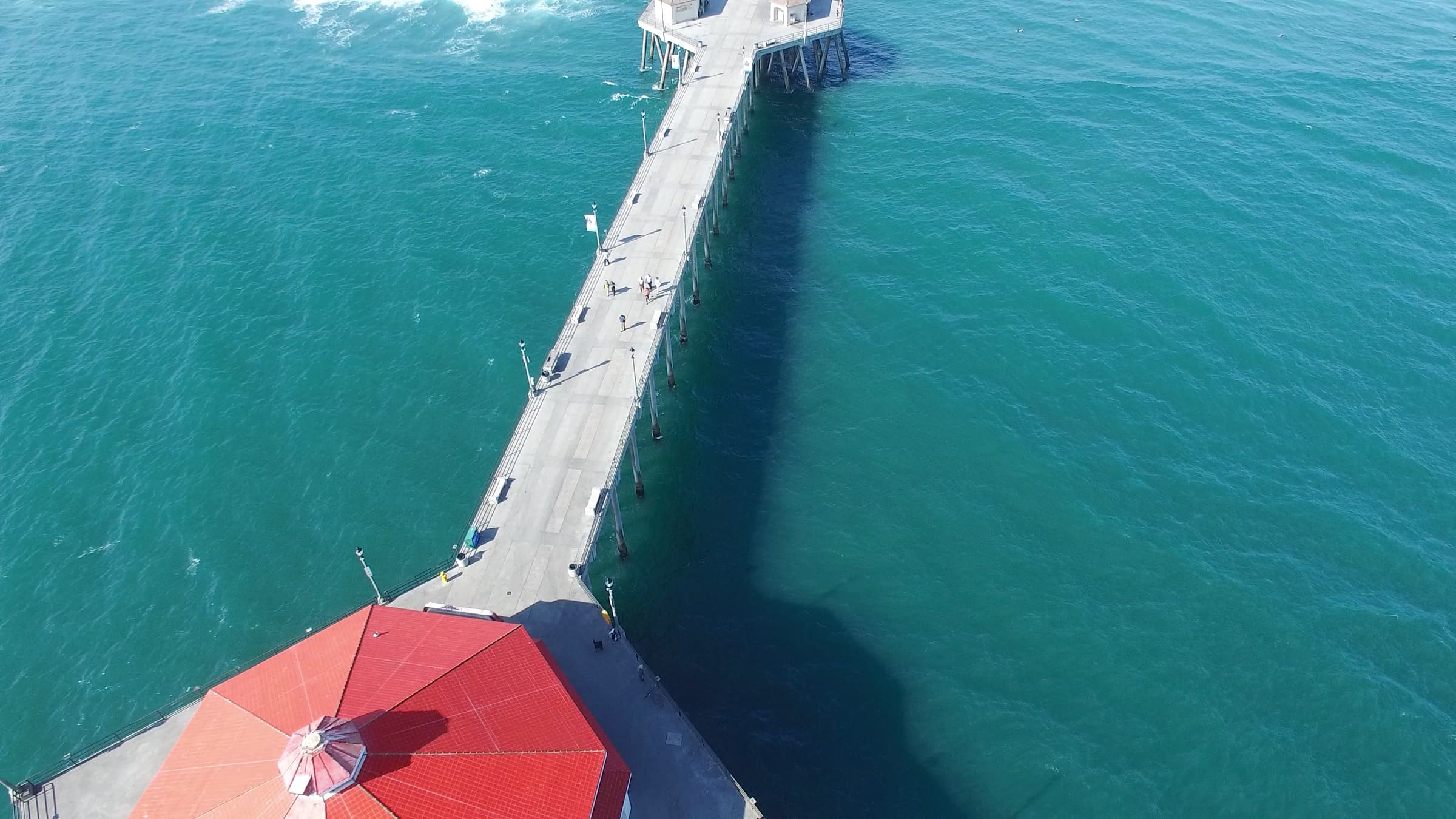
Homes near the Huntington Beach Pier cluster in Downtown's 92648 core, from Pier Colony and Pierhouse condos to the Peninsula, placing you within a few blocks of the 1,850-foot pier at Main Street and PCH.
Updated 2026-10-24
Where do homes sit in relation to the Huntington Beach Pier?
The Huntington Beach Pier anchors the foot of Main Street at Pacific Coast Highway, and the housing closest to it fans out in a tight grid behind Pier Plaza. The nearest residences are condominiums and townhomes in Downtown Huntington Beach, followed by the detached homes and newer builds that run down Main Street and out along the Peninsula toward the Santa Ana River mouth. Most of this sits in the 92648 ZIP code, the Downtown and oceanfront core of the city.
Proximity drops off quickly as you move inland. The first few blocks behind the pier, roughly from PCH back to Orange Avenue and Lake Street, hold the densest mix of condos, mixed-use buildings, and smaller lots. Past that, the neighborhood opens into the classic Downtown street grid of 1st through 23rd Streets, where you find a blend of older cottages, remodeled single-family homes, and three-on-a-lot townhome rows.
If you want to understand the whole Downtown picture before you narrow in on the pier itself, the broader Huntington Beach overview and the communities index lay out how the neighborhoods connect. The pier area is not one single product type. It ranges from a one-bedroom condo a block off the sand to a Peninsula home facing the water, and the voice of the market shifts with each.
How close can you actually live to the pier?
The closest you can realistically live to the Huntington Beach Pier is a condominium at Pier Colony or Pierhouse, both of which sit within about a block of the sand and the base of the pier. From those buildings you are a short, flat stroll to Pier Plaza, Main Street, and the beach bike path. That is as close to the landmark as deeded residential property gets.
Oceanfront proximity then steps outward. Peninsula homes between the pier and the river deliver true beach frontage and water views in exchange for a position a bit farther from the pier structure itself. Homes along the numbered streets of Downtown trade pier adjacency for larger lots, more square footage, and a quieter setting a few blocks back.
There is a tradeoff baked into every step closer. The tightest pier-adjacent condos put you in the middle of the Downtown energy, with events, foot traffic, and parking demand that peak in summer and on weekends. Homes set back a few blocks soften that while keeping the beach and Main Street near. Justin and Craig walk buyers through exactly where that line falls for how you plan to use the place.
What is Pier Plaza and the Downtown core like?
Pier Plaza is the open gathering space at the base of the pier where Main Street meets the beach. It hosts surf contests, farmers markets, art fairs, and the crowds that come with a working public pier. For anyone considering a home in the immediate blocks behind it, the Plaza is both the draw and the thing to understand clearly before buying.
Main Street runs inland from the pier for several blocks and forms the retail and dining spine of Downtown Huntington Beach. The lower blocks closest to PCH carry the most restaurants, shops, and nightlife, while the upper blocks toward Orange and Palm Avenues grow more residential. Where a home sits on that gradient shapes the daily experience as much as the square footage does.
The City of Huntington Beach has invested heavily in the Downtown and pier district over the years, and the public spaces, beach maintenance, and event calendar reflect that. If a lively, event-driven setting fits your plans, the pier core delivers it. If you want the beach without the Plaza intensity, the numbered streets and the Peninsula give you breathing room while keeping the pier near.
Which condo buildings sit closest to the Huntington Beach Pier?
A handful of condominium communities define pier-adjacent living, and each one offers a different balance of proximity, format, and homeowners association structure. The list below moves roughly from the buildings nearest the pier outward. Confirm current availability, floor plans, and association dues directly, because these details change and Ratowsky Group verifies them per listing.
For a deeper look at how condo ownership works in this part of town, including documents, dues, and inspection points, the condos in Huntington Beach guide walks through the process step by step.
- Pier Colony: a gated condominium community set just north of the pier near Walnut Avenue and 1st Street, one of the closest residential addresses to Pier Plaza and the sand.
- Pierhouse: condominiums positioned near the pier along the Downtown oceanfront, offering a lock-and-leave format steps from the beach path.
- The Waterfront and nearby Downtown mixed-use buildings: condos layered above or beside retail along PCH and the lower Main Street blocks, trading quiet for immediate access to shops and the beach.
- Townhome rows on the numbered streets: three-on-a-lot and small-plan townhomes a few blocks back from the pier, offering more interior space while keeping the beach and Main Street near.
- Peninsula condos and homes: oceanfront and near-oceanfront properties south of the pier toward the Santa Ana River, where water frontage becomes the headline feature.
What is living on the Peninsula near the pier like?
The Peninsula runs south from the pier toward the Santa Ana River mouth and the Newport Beach line, a narrow strip of land with the ocean on one side and the beach bike path threading through. Homes here range from older beach cottages to rebuilt contemporary properties, and the closer to the water you get, the more the view and the sand drive the value.
Living on the Peninsula means accepting the realities of an oceanfront position. Sand, salt air, and sun are constant, which affects exterior materials, windows, and maintenance schedules. In exchange you get frontage and light that inland lots cannot match, plus a position that is still near the pier and Downtown for dining and events.
Because these are coastal properties, buyers should budget time for careful inspections and for understanding insurance in a beachfront setting. The waterfront homes guide covers the logistics that come with buying close to the water, and the broader luxury collection shows how the higher end of this market presents and prices.
How walkable is Downtown Huntington Beach from the pier?
Downtown Huntington Beach is one of the more compact, pedestrian-oriented coastal districts in Orange County, and that is a large part of why pier-adjacent homes hold their appeal. From the blocks behind the pier you can reach Main Street dining, the beach path, Pier Plaza, and the sand on foot without moving the car. The flat terrain and the grid layout make short trips easy.
The daily mix includes restaurants, coffee, surf shops, the public library branch, and the weekly farmers market, most of it within the lower Main Street corridor. The beach bike path, part of the longer coastal trail system, runs right along the sand and connects the pier to Bolsa Chica to the north and the Santa Ana River to the south.
Parking is the counterweight to all that convenience. The pier district fills in summer and on event weekends, and many condo buildings allocate a set number of spaces per unit. Buyers who want the pier-core lifestyle should confirm how parking works for any specific building, since it shapes the day-to-day far more than most people expect.
What does oceanfront proximity mean for carrying costs?
Living near the Huntington Beach Pier carries ongoing costs beyond the purchase price, and the two that matter most in this district are homeowners association dues and insurance. Condominium communities like those near the pier fund shared maintenance, common areas, and often amenities through monthly dues, and those figures vary widely by building. Always review the association budget and reserve study before you commit.
Insurance deserves specific attention this close to the coast. Beachfront and near-beachfront positions can affect premiums and coverage requirements, and lenders may have their own conditions. The condo insurance picture in particular, where a building master policy and your individual walls-in coverage interact, trips up a lot of first-time condo buyers.
The condo insurance guide and the HOA document review guide break down what to read and what to ask. Ratowsky Group is not a tax or insurance advisor, so for the numbers specific to a given home, plan to talk with the appropriate licensed professional and bring the documents to the conversation.
What steps should you take before buying near the pier?
Buying in the pier district rewards a clear sequence. The market moves on specifics here, and the difference between a condo a block off the sand and a Peninsula oceanfront home shows up in the fine print more than the listing photos. The steps below give you a working order of operations.
For a full walkthrough of the local buying process, the buying a home in Huntington Beach guide and the main buyers page lay out the broader framework that these pier-specific steps fit inside.
- Define how you will use the home. A lock-and-leave condo, a full-time residence, and a Peninsula oceanfront property each point to different blocks and different buildings.
- Set your proximity priority. Decide whether being within a block of Pier Plaza matters more than square footage, a larger lot, or a quieter street a few blocks back.
- Get your financing confirmed early. Pier-core inventory can be limited, and a ready buyer moves with more confidence when the right home appears.
- Review the association documents on any condo. Read the budget, reserves, rules, and insurance structure before you fall for the view.
- Order thorough inspections on coastal property. Salt air, sun exposure, and age affect windows, exteriors, and systems on beachfront and near-beachfront homes.
- Study recent comparable sales by block and building. Price per foot shifts street by street in Downtown Huntington Beach, so the right comps are narrow, not citywide.
- Have a direct conversation about strategy. For pricing, timing, and negotiation on a specific home, sit down with Craig and Justin Ratowsky and build the plan around the details.
How does the pier area compare to other coastal Huntington Beach neighborhoods?
The pier district is the most urban and event-driven of Huntington Beach's coastal neighborhoods, and comparing it to the alternatives helps you decide if it fits. Downtown near the pier offers the shortest reach to Main Street, the beach, and the Plaza, with condos and townhomes as the dominant product and a lively, foot-traffic-heavy setting.
Move north and the character changes. Huntington Harbour, built around the islands of Trinidad, Davenport, Gilbert, Humboldt, and Admiralty, centers on waterfront homes, docks, and a calmer, water-oriented pace. Sunset Beach, along the PCH stretch from Warner Avenue to the Seal Beach jetty, offers a small beach-town feel. Brightwater and the bluff-side neighborhoods trade pier adjacency for newer construction and open space near the Bolsa Chica wetlands.
None of these is better in the abstract. They serve different priorities. The pier area wins on access and energy, Huntington Harbour wins on water frontage and boating, and the inland Downtown streets win on space and quiet while keeping the beach near. The communities overview maps how they relate across Huntington Beach and the wider Orange County coast.
What is the market like for homes near the Huntington Beach Pier?
The pier district sits in one of the more consistently in-demand slices of the Huntington Beach market because the landmark, the beach, and the Downtown core are fixed and finite. Condos and townhomes behind the pier turn over more often than the scarce oceanfront Peninsula homes, which come to market less frequently and command a premium for frontage.
Pricing is hyperlocal. Price per foot in Downtown Huntington Beach can vary meaningfully from one block to the next and from a view unit to an interior unit in the same building. That is why Ratowsky Group prices from recent, tightly matched comparables rather than broad citywide averages, a discipline that carries across every segment from condos to coastal-luxury.
If you want a current read on values, the market page tracks local conditions, and the home value tool is a starting point for owners weighing a sale. For anything specific to a given home, a direct conversation beats an automated estimate every time.
Why work with Ratowsky Group on a home near the pier?
Ratowsky Group brings a long, local track record to the pier district. Craig has been selling Huntington Beach real estate since 1977, Justin has been licensed since 2017, and together they are founding agents of Compass Huntington Beach. Justin is a third-generation California Realtor through his grandmother on his mother's side, Maurine, and that lived connection to the town runs through how the team works.
The value in this specific district is detail. Which building sits closest to the sand, how parking and dues work, where price per foot breaks between blocks, and what a coastal inspection should flag are the things that decide whether a pier-area purchase is a good one. The team pairs that old-school local knowledge with modern marketing and systems.
Justin puts the relationship ahead of the transaction. As he describes the team's approach, "We treat you like family and your investment like our own." If you are weighing a move near the Huntington Beach Pier, reach out to Craig and Justin Ratowsky for a local, no-pressure conversation through the contact page.
Frequently asked
Living Near the Huntington Beach Pier: Area Guide, the questions we hear first.
How long is the Huntington Beach Pier?
Can you live right on the beach near the Huntington Beach Pier?
What is the closest condo complex to the Huntington Beach Pier?
Is Downtown Huntington Beach near the pier walkable?
What ZIP code is the Huntington Beach Pier in?
Are HOA dues high for condos near the Huntington Beach Pier?
Does living near the pier affect home insurance?
Your Huntington Beach real estate team
Craig and Justin Ratowsky.
Craig Ratowsky and Justin Ratowsky are equal partners at Ratowsky Group, principal agents with Compass, and founding members of the Compass Huntington Beach office. Craig has sold Huntington Beach real estate since 1977, bringing 49 years of pricing and negotiation experience. Justin is a third-generation California Realtor® focused on local guidance and modern marketing. Together, they bring 58+ years of combined experience.
Sources & local citations
- City of Huntington Beach
- C.A.R. — county sales and prices (regional context)
- California Coastal Commission
Qualitative claims framed as agent insight reflect Ratowsky Group’s direct experience and are not represented as third-party verified data.
Start the search
Thinking about a home near the Huntington Beach Pier?
Craig and Justin Ratowsky know the Downtown and 92648 core block by block, from Pier Colony and Pierhouse condos to the Peninsula. For a local, no-pressure conversation about which pier-area homes fit your plans, and a clear read on pricing and proximity, reach out through the contact page.
Ratowsky Group at Compass. Craig Ratowsky DRE #00608046, Justin Ratowsky DRE #02026158. Guidance is general market context, not a valuation, tax, or legal advice.