
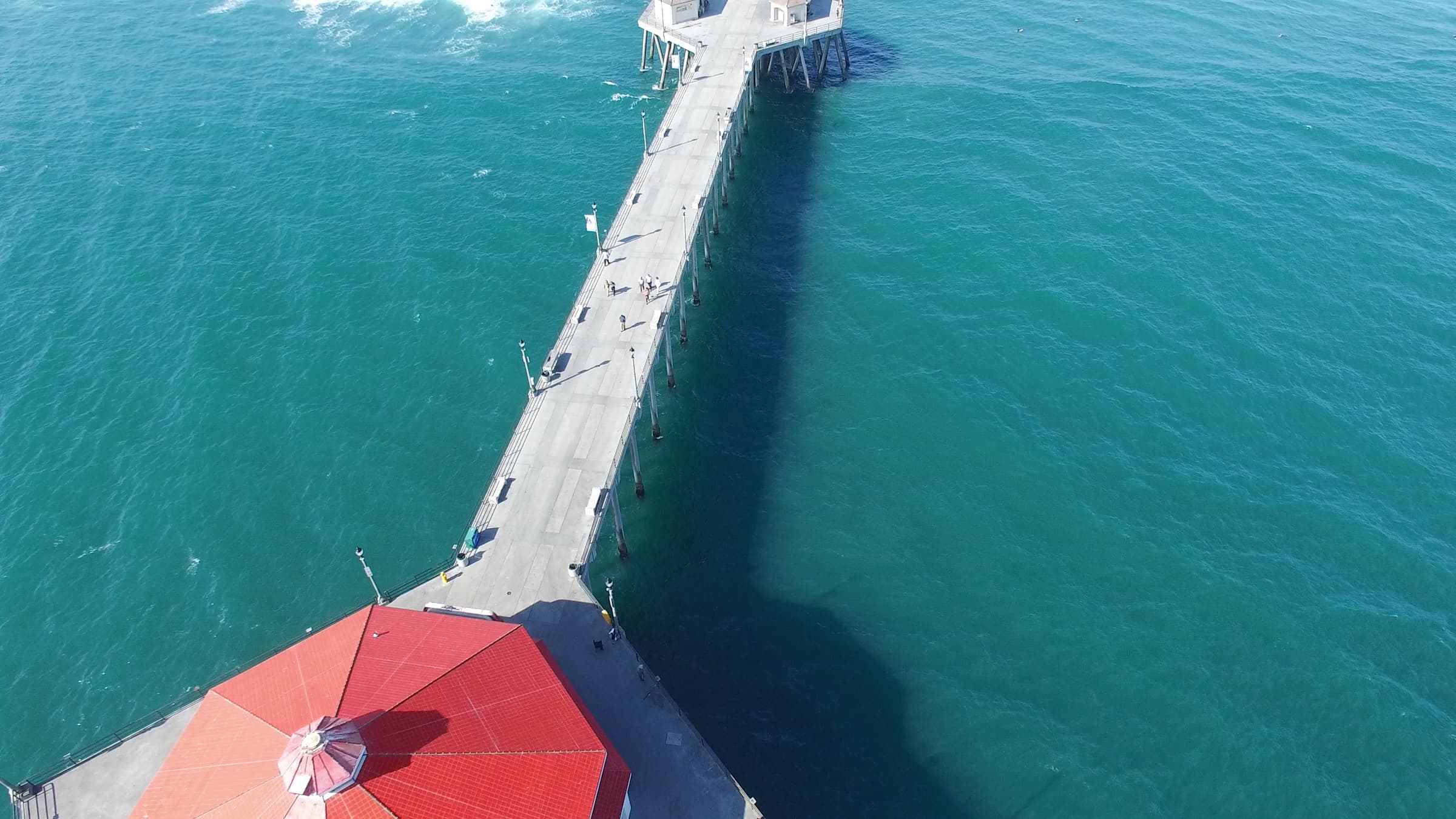
Living in Huntington Beach: The Complete Local Guide
A resident-focused overview of what it is like to live in Huntington Beach, from neighborhood layout and housing stock to climate, commutes, and cost of living.
Direct answer
Living in Huntington Beach means roughly 9.5 miles of coastline, neighborhoods from Downtown to Huntington Harbour, a mild coastal climate, and housing from beach cottages to waterfront homes in Orange County.
Updated 2026-09-30
What is daily life like in Huntington Beach?
Huntington Beach is a coastal city in Orange County built around roughly 9.5 miles of open shoreline, a walkable downtown, and a wide mix of neighborhoods that each feel a little different. Day to day, life here tends to organize itself around the water, the parks, and the drive time to the rest of the county. You can live a few blocks from the sand in a compact beach cottage, on a channel in Huntington Harbour with a private dock, or on a larger inland lot several miles from the pier.
The city is large by Orange County standards and spread across four broad areas, so a single description rarely fits the whole place. The block Justin Ratowsky grew up on feels different than Huntington Harbour, which feels different than Downtown or the inland tracts near Central Park. That variety is the first thing to understand before you compare listings or price ranges.
This guide walks through how the city is laid out, what the housing stock looks like, the climate, typical commute times, cost of living, parks, schools, and the coastal regulations that shape building near the water. If you are researching a move, you can also review the broader Huntington Beach community overview and the surrounding coastal communities Ratowsky Group covers across Orange County.
How is Huntington Beach organized into areas?
Locals usually think of Huntington Beach in four broad sections rather than one uniform city. Each section carries its own housing patterns, lot sizes, and relationship to the coast, and the ZIP codes track roughly with those areas.
The four sections break down like this:
- South Huntington Beach (ZIP 92646): the area south and inland of Downtown toward the Santa Ana River and the Newport Beach line, with established tract neighborhoods, some larger lots, and proximity to the wetlands at the river mouth.
- West and Downtown (ZIP 92648): the coastal core around Main Street, the pier, Old Town, and Downtown, plus the Seacliff area inland of the bluffs, ranging from small beach lots to larger planned neighborhoods.
- Northwest, including Huntington Harbour (ZIP 92649): the harbor district with its residential islands (Trinidad, Davenport, Gilbert, Humboldt, and Admiralty) plus mainland Harbour, adjacent to Sunset Beach and the Bolsa Chica wetlands.
- Northeast (ZIP 92647): the inland neighborhoods around Central Park and the Bolsa Chica Street corridor, generally set back from the coast with a mix of single-story and two-story tract homes.
What kinds of homes make up the housing stock?
Huntington Beach housing stock covers a wide span, which is part of why price ranges vary so much across the city. Near the coast you will find compact beach cottages and rebuilt three-story homes on narrow Downtown and Old Town lots, many of them close to the pier and Main Street.
Move into the planned neighborhoods and inland tracts and the pattern shifts toward single-family homes on standard lots, condos, and townhomes, some in communities with a homeowners association. Newer coastal developments such as Brightwater sit on the bluffs near the Bolsa Chica wetlands, while Seacliff blends established homes with newer construction inland of the beach.
The waterfront tier runs highest. Huntington Harbour homes on the residential islands can include private docks and channel frontage, and Ratowsky Group has handled sales in this segment up to roughly $6.65 million on the coast. If you are weighing a home on the water, the waterfront homes guide explains seawalls, docks, and the added inspections that come with channel-front property. Buyers comparing attached homes can start with the condos guide.
What is the climate like year-round?
Huntington Beach has a mild coastal climate with moderate temperatures across the seasons, moderated by the ocean and a regular sea breeze. Summers are warm rather than hot near the water, and winters are cool with most of the region's limited rainfall arriving between late fall and early spring.
A defining feature is the marine layer, the low coastal cloud that residents often call May Gray and June Gloom. It can hold overcast mornings along the coast into early summer before clearing by afternoon, and it tends to be heavier the closer you are to the beach.
Because the climate stays temperate most of the year, outdoor life runs long here, from the beach and the pier to the trails at Central Park and Bolsa Chica. That year-round usability is one reason the coastline and parks factor so heavily into how people describe living in the city.
How long are commutes to Irvine, John Wayne Airport, and LAX?
Commute time from Huntington Beach depends heavily on which corner of the city you start from and the time of day, since the coastal location means you are driving inland to reach most job centers. Irvine, one of Orange County's largest employment hubs, is generally a 20 to 35 minute drive in normal conditions and longer at peak commute times.
John Wayne Airport in Santa Ana is typically 20 to 30 minutes away, which makes it the most convenient airport for most residents. Los Angeles International Airport is farther, commonly 45 minutes to over an hour depending on traffic on the 405 and surrounding freeways.
The main arteries are the 405 freeway inland, Pacific Coast Highway along the water, and Beach Boulevard running north to south through the middle of the city. If a short commute is a priority, it is worth checking drive times from a specific neighborhood at your actual travel hours rather than relying on off-peak estimates.
What is Downtown and Main Street like?
Downtown Huntington Beach centers on Main Street, which runs from Pacific Coast Highway and the pier several blocks inland. The lower blocks near the water hold a concentration of restaurants, shops, and cafes, and the district hosts community events throughout the year.
The Huntington Beach Pier anchors the Downtown waterfront and is one of the longer public piers on the West Coast. Around it sit the surf-focused retail and the wide public beach that give the city its Surf City identity.
Old Town and the residential blocks just inland from Main Street mix older cottages with rebuilt homes, and Justin Ratowsky and his wife bought their first home in this part of the city in 2022. If you want a closer look at the Downtown lifestyle and housing, Ratowsky Group's district guides cover it in more detail, and first-time buyers can start with the first-time buyer guide.
What is at Pacific City and along the coastline?
Pacific City is an open-air shopping, dining, and entertainment center on Pacific Coast Highway across from the beach, just south of the pier. It combines retail and restaurants with ocean views and sits within easy reach of Downtown, making it one of the busier coastal gathering spots in the city.
The coastline itself runs roughly 9.5 miles and includes the city beach, the state beach to the south, and Bolsa Chica State Beach to the north. Public access, parking lots, and the paved beach path give residents a continuous stretch of shoreline for walking, cycling, surfing, and volleyball.
This long, mostly uninterrupted beach is unusual for a built-out coastal city and is a core part of daily life here. It also shapes real estate, since proximity and view corridors to the water carry real weight in how homes are priced across Huntington Beach.
How much park and open space does the city have?
Beyond the beach, Huntington Beach holds a large amount of inland open space. Huntington Central Park covers about 350 acres and is the largest city-owned park in Orange County, with lakes, trails, a sports complex, a library, and equestrian facilities spread across two sides of Golden West Street.
On the northwest edge of the city, the Bolsa Chica Ecological Reserve protects one of the larger coastal wetlands in Southern California, with public trails and abundant bird life along the water. It sits near the Brightwater neighborhood and Bolsa Chica State Beach.
Between Central Park, the wetlands, the state beaches, and the network of neighborhood parks, open space is one of the defining features of living in the city. As you weigh a move, the relocation resources and community pages can help you match a neighborhood to the parks and beach access you use most.
What does it cost to live in Huntington Beach?
Cost of living in Huntington Beach is driven mostly by housing, which sits above the national average and reflects the coastal Orange County market. Home prices vary widely by area, from attached homes and inland single-family houses at the lower end of the local range up to waterfront and oceanfront property at the top.
Because prices move with location, view, lot size, and condition, the most useful number is a current figure for the specific neighborhood you are considering rather than a citywide average.
Ongoing costs beyond the mortgage can include HOA dues in planned communities, and near-coast insurance that runs higher than inland. Confirm the current dues and an insurance quote for the specific address rather than working from a neighborhood average. To estimate what your own home might be worth or what a purchase might cost, you can start with a home value review and the buying-a-home guide.
What school districts serve Huntington Beach?
Huntington Beach is served by several public school districts rather than a single unified one, which surprises many people relocating here. High schools fall under the Huntington Beach Union High School District, while elementary and middle grades are split among districts including Huntington Beach City, Ocean View, Fountain Valley, and Westminster depending on the neighborhood.
Because district and attendance boundaries do not follow city lines cleanly, the schools tied to a specific address can differ from one part of the city to the next. If schools factor into your search, confirm the assigned schools for a given property directly with the relevant district before you make an offer.
Publicly available ratings and enrollment information are published by the state and the individual districts, and they change over time. Reviewing that primary data yourself keeps your decision grounded in current, verifiable information.
What does Surf City USA and the coastal zone mean for residents?
Huntington Beach markets itself as Surf City USA, a nod to its long surf history, the pier, and the annual surf competitions held on the beach. The city also hosts a Fourth of July parade that is commonly billed as one of the largest in the country, and Huntington Beach High School fields the Oilers.
For residents and buyers near the water, the more practical layer is the California Coastal Commission's coastal zone. A large portion of the city near the shoreline falls within this zone, which adds a review process for certain building, remodeling, and development activity to protect public coastal access and resources.
If you buy near the beach, the harbor, or the bluffs, it is worth understanding whether a property sits within the coastal zone and what that means for future projects. It is also worth checking FEMA flood mapping for lower-lying and waterfront parcels, since that can affect insurance and construction. These are details Craig and Justin Ratowsky can walk through for a specific address through Ratowsky Group.
How do you choose the right Huntington Beach neighborhood?
With four broad areas and a wide range of housing, choosing a neighborhood comes down to matching the property and location to how you actually live and commute. A short, honest checklist tends to narrow the field faster than browsing listings at random.
Weigh these factors in order of what matters most to you:
- Distance to the coast: decide whether you want to be near the sand and Downtown, on the water in Huntington Harbour, or on a larger lot inland near Central Park, since this drives price more than almost anything else.
- Housing type: single-family, condo, townhome, or waterfront each come with different maintenance, budget, and lifestyle trade-offs.
- HOA dues and reserves: in planned and newer communities, confirm the current dues, read the reserve study, and check for any pending special assessment before you remove contingencies.
- Commute reality: test your drive to Irvine, John Wayne Airport, or your workplace at your true travel times, not off-peak.
- Coastal and flood factors: for waterfront, bluff, or low-lying property, review coastal zone status and FEMA flood mapping before you commit.
- Long-term value: think like an investor about lot size, price per square foot, and how a specific block has held value over time, which is where Craig Ratowsky's decades of local market memory come in.
Frequently asked
Living in Huntington Beach: The Complete Local Guide, the questions we hear first.
Is Huntington Beach a good place to live?
How much does it cost to live in Huntington Beach?
What are the main neighborhoods in Huntington Beach?
What is the weather like in Huntington Beach?
How far is Huntington Beach from John Wayne Airport and LAX?
What ZIP codes are in Huntington Beach?
Your Huntington Beach real estate team
Craig and Justin Ratowsky.
Craig Ratowsky and Justin Ratowsky are equal partners at Ratowsky Group, principal agents with Compass, and founding members of the Compass Huntington Beach office. Craig has sold Huntington Beach real estate since 1977, bringing 49 years of pricing and negotiation experience. Justin is a third-generation California Realtor® focused on local guidance and modern marketing. Together, they bring 58+ years of combined experience.
Sources & local citations
- City of Huntington Beach official website
- California Coastal Commission
- C.A.R. — county sales and prices (regional context)
Qualitative claims framed as agent insight reflect Ratowsky Group’s direct experience and are not represented as third-party verified data.
Start the search
Getting to know Huntington Beach?
If you are researching a move to Huntington Beach or comparing neighborhoods across coastal Orange County, Craig and Justin Ratowsky are happy to have a local, no-pressure conversation and point you to the right resources. Reach out to [Ratowsky Group](/contact) whenever you want a grounded read on a specific area or address.
Ratowsky Group at Compass. Craig Ratowsky DRE #00608046, Justin Ratowsky DRE #02026158. Guidance is general market context, not a valuation, tax, or legal advice.