
Blog · Buyer guide
Huntington Beach vs. Fountain Valley: Beachfront or Inland Value?
A balanced, buyer-focused comparison of coastal Huntington Beach and its inland neighbor Fountain Valley across price, beach access, lot sizes, commute, and geography.
September 22, 2026 · 12 min read
By Craig Ratowsky, Principal agent, Ratowsky Group at Compass
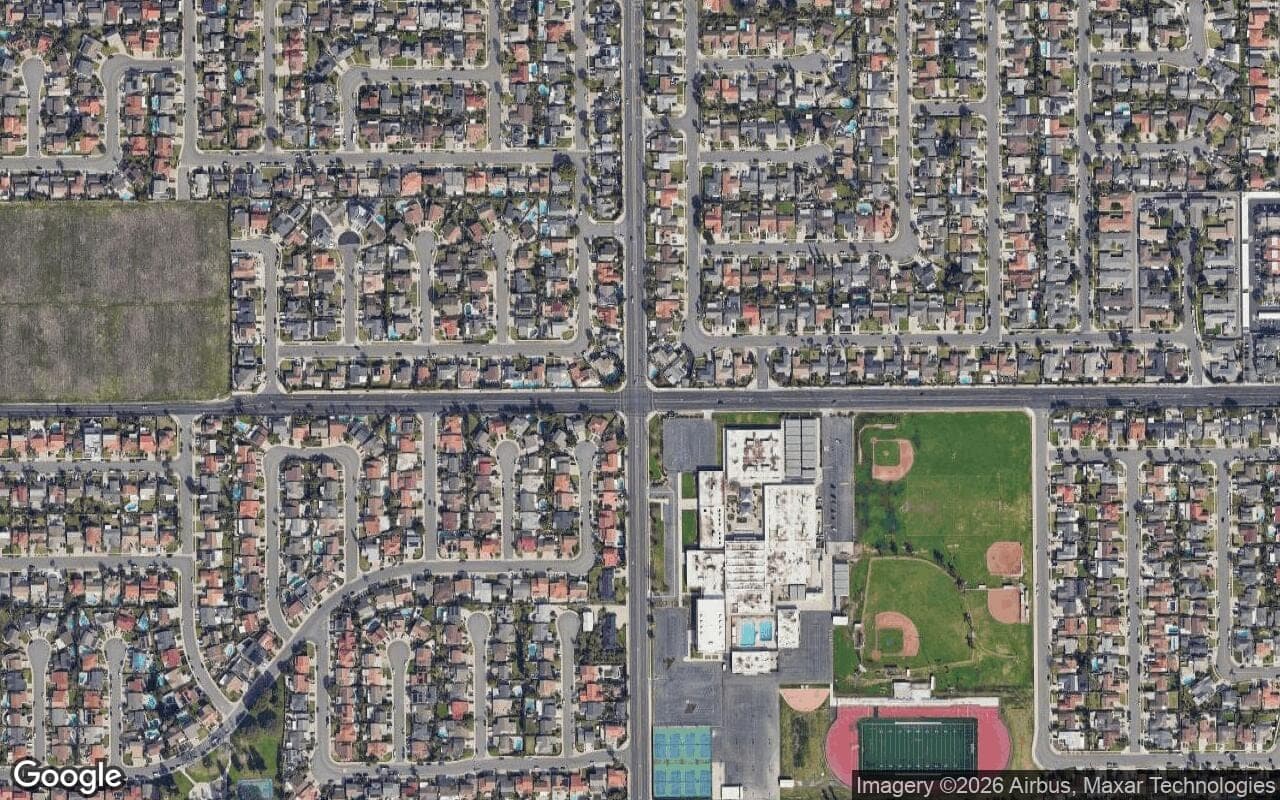
What's the difference between Huntington Beach and Fountain Valley?
Huntington Beach is a coastal Orange County city with beach access, while neighboring Fountain Valley sits inland near Mile Square Park. Prices, lot sizes, and housing options vary widely within both cities.
The short version is location and what that location buys you. Huntington Beach is a coastal city with roughly nine and a half miles of shoreline, a pier, and neighborhoods that range from beach cottages and condos to harbor-front estates. Fountain Valley sits directly inland, sharing a border with Huntington Beach roughly along the Talbert and Ellis corridors, and offers residential tracts and a more suburban rhythm centered on Mile Square Park.
These two cities are close enough that people often shop both in the same search. You can live in Fountain Valley and still visit the Huntington Beach coast by car. The useful comparison is between specific homes and neighborhoods, not a blanket assumption that one city offers better value.
Justin Ratowsky grew up in Huntington Beach and has watched the whole area change, and the team at Ratowsky Group works across coastal Orange County, including the inland cities that border the coast. That range matters here, because the honest answer to Huntington Beach versus Fountain Valley depends on your budget, your commute, and how you actually want to spend a Saturday. The rest of this guide walks through each factor so you can weigh them for yourself.
Is Fountain Valley cheaper than Huntington Beach?
Not necessarily. Citywide median sale prices change with the mix of homes sold, and the latest city-level figures should not be treated as a promise that one city is cheaper. In August 2026, Redfin reported a slightly higher median sale price in Fountain Valley than in Huntington Beach. Beach proximity can affect individual Huntington Beach properties, but compare recent sales of similar homes in the neighborhoods you are considering.
A citywide median also does not tell you what you get for a particular budget. Compare interior square footage, usable lot area, condition, and location among current listings and recent comparable sales. A coastal Huntington Beach home and an inland Fountain Valley tract home may have very different features even at similar prices.
Prices move with the market, so it is worth checking current figures rather than relying on a rule of thumb. Redfin publishes current city-level sale data for Huntington Beach and Fountain Valley, though individual transactions require more specific comparables. If you want a read on what your budget realistically buys in each city today, a conversation with the team at Ratowsky Group can put current comparables in front of you.
How far is Fountain Valley from the beach?
Distance is the whole story here, and it is shorter than many buyers assume. From much of Fountain Valley, the Huntington Beach shoreline is a straightforward drive down Brookhurst, Magnolia, or Warner, with travel time varying by starting point, traffic, and parking. That proximity is a big reason the two cities get compared so often.
What you do not get in Fountain Valley is the daily coastal presence. There is no ocean breeze off the water, no ability to walk or bike to the sand from most neighborhoods, and no beach-town foot traffic. For some buyers that is the appeal, since it means quieter residential streets. For others, being able to reach the water on foot is the entire point of paying to live near the coast.
In Huntington Beach itself, beach access varies neighborhood by neighborhood. Downtown, the numbered streets, and areas near Pacific Coast Highway put you closest to the sand, while inland Huntington Beach neighborhoods can feel a lot like Fountain Valley in layout and lot size while still keeping a shorter beach drive. If you are weighing specific pockets, the Huntington Beach community overview breaks the city down by area.
What does the housing stock look like in each city?
Huntington Beach has one of the widest ranges of housing in coastal Orange County. You will find beach cottages and remodeled bungalows near the water, a large supply of condos and townhomes, mid-century tract homes across central and inland neighborhoods, and waterfront estates out in Huntington Harbour on islands like Trinidad and Davenport. That spread means the price ladder runs from entry-level condos all the way up to multimillion-dollar oceanfront and harbor-front homes.
Fountain Valley's housing stock is more uniform. Much of the city was built out as planned single-family tracts from the 1960s and 1970s, which tends to mean consistent floor plans, attached garages, and yards on standard suburban lots. There are condos and townhomes in Fountain Valley too, but the city leans more heavily toward detached single-family homes than the coastal side of Huntington Beach does.
If you are shopping condos specifically, Huntington Beach gives you more coastal options and different ownership considerations, which the Huntington Beach condos guide covers in detail. If you are shopping for a larger detached home with a yard at a more approachable price, Fountain Valley's inland tracts are worth comparing with inland Huntington Beach options, not just beach-close blocks.
Do lot sizes and yards differ between the two cities?
This is one of the clearest practical differences. Fountain Valley's tract neighborhoods were designed around detached homes on regular suburban lots, so private backyards, side yards, and room for a garden or play space are common. For buyers who want outdoor space, compare actual usable lot area and current asking prices rather than assuming either city always offers more per dollar.
Huntington Beach lots vary a lot more by neighborhood. Beach-close homes and downtown lots can be narrow and deep, with smaller yards and more emphasis on rooftop decks and patios that make the most of a compact footprint. Inland Huntington Beach tracts hold larger lots that resemble Fountain Valley, while Huntington Harbour properties trade yard size for water frontage and dock access.
So the lot-size question really comes down to which part of each city you compare. A fair matchup is inland-to-inland or coastal-to-coastal, not a beach cottage against a suburban tract home. When you tour, pay attention to usable outdoor space rather than just the recorded lot dimensions, since setbacks, easements, and layout change how much yard you actually use.
How do commutes and freeway access compare?
Both cities sit close to major routes, but the access patterns differ. Fountain Valley is bordered by the 405 freeway, with the 405 and 73 corridor nearby, which gives quick regional connections toward Irvine, Long Beach, and the rest of Orange County. For a daily driving commute, that inland freeway proximity is often more convenient than the coastal side of Huntington Beach.
Huntington Beach relies more on Pacific Coast Highway and surface arterials near the water, with freeway access concentrated toward the inland edge of the city. If your commute runs up the coast or toward the South Bay, a coastal address can work well. If it runs inland toward the job centers off the 405 and 55, Fountain Valley's positioning can shave time.
The honest read is that neither city is far from a freeway, so commute differences usually come down to your specific destination and the direction you travel at rush hour. Test-drive your real commute at the time you would actually make it before you decide, since a five-minute difference on paper can feel very different on a Tuesday morning.
What is the day-to-day feel of each city?
Huntington Beach carries a coastal, active, and at times tourist-facing energy, especially near the pier, Main Street, and the beach parking lots during summer and event weekends. That means more visitor traffic, more nightlife downtown, and a town that fills up when the weather is good. Many neighborhoods a mile or two from the water stay quieter, so the experience depends heavily on where you land.
Fountain Valley reads as a more consistently residential and suburban community. The civic heart is Mile Square Park, a large regional park with lakes, sports fields, golf, and open green space that anchors weekend life for a lot of the city. Without a coastline, Fountain Valley does not draw the seasonal visitor surge, so streets and parking tend to feel more predictable year-round.
Neither feel is better in the abstract. Some buyers want the coastal buzz and are happy to trade parking hassles and summer crowds for beach proximity. Others prefer the steadier inland pace and use the short drive to visit the Huntington Beach coast when they want it. Being clear about which environment fits your routine is one of the most useful things you can sort out early.
What should buyers know about geography and flood zones?
Both cities sit on the low, flat coastal plain of Orange County, and parts of each area are mapped within FEMA flood zones tied to nearby channels, the Santa Ana River, and low-lying terrain. This is not unique to either city, and it does not mean a given home floods. It means flood-zone status is worth checking on a property-by-property basis, because it can affect insurance requirements and cost.
In Huntington Beach, proximity to the ocean, the harbor, and the wetlands means some neighborhoods carry different flood and coastal considerations than others. Fountain Valley's inland position changes the geography but does not remove flood mapping entirely, since the area's drainage channels run through the city. The practical step is the same in both places: look up each specific address.
You can check a property's flood-zone designation on the official FEMA flood map service, and your insurance quotes will reflect whatever the maps show. For coastal Huntington Beach purchases with waterfront or near-water exposure, the waterfront homes guide explains the extra logistics like seawalls and insurance that inland Fountain Valley buyers generally do not face.
Which factors matter most when choosing between Huntington Beach and Fountain Valley?
When buyers put the two cities side by side, the decision usually turns on a handful of concrete factors rather than a single feeling. Here is a practical way to rank what to weigh, roughly in the order most buyers find useful.
- Budget and value: decide whether you are optimizing for coastal proximity or for maximum house and lot at your price point, since that single choice pushes many buyers toward one city.
- Beach access: be honest about how often you would actually use the water daily versus driving from inland Fountain Valley.
- Housing type: coastal Huntington Beach offers more condos, cottages, and waterfront, while Fountain Valley leans toward detached single-family tracts.
- Lot and yard: if private outdoor space is a priority, compare inland-to-inland lots rather than a beach block against a suburban tract.
- Commute direction: map your real destination against the 405 near Fountain Valley versus coastal routes and Pacific Coast Highway in Huntington Beach.
- Daily environment: weigh the coastal, seasonally busy feel of beach-close Huntington Beach against Fountain Valley's steadier, park-centered suburban pace.
- Flood and insurance: check each specific address on the FEMA maps, since designations and premiums vary by parcel in both cities.
- Long-term ownership: compare property-specific costs, condition, and resale evidence rather than assuming either city will outperform.
How do the two housing markets tend to behave?
Coastal supply is limited by geography, so Huntington Beach beach-close inventory tends to be tight, and well-prepared, well-priced homes near the water can draw strong buyer demand. Presentation and pricing strategy matter in these coastal listings, but one transaction cannot represent an entire market.
Fountain Valley's market behaves more like a steady inland suburban market. Its housing mix differs from beach-close Huntington Beach, but prices in both cities still move with inventory, rates, and the wider Orange County market. Compare current neighborhood-level sales rather than treating either city as uniformly stronger or steadier.
For a current read on how each area is pricing and moving, the market page tracks Huntington Beach conditions, and pulling city-level data from Redfin or the U.S. Census Bureau is a good habit before you write an offer. If you want to know what your own place might be worth as part of a move between these cities, a home value review is a low-pressure starting point.
How can you decide which city fits your move?
Start by writing down your non-negotiables. If daily beach access is the reason you are moving to the area, start with coastal Huntington Beach neighborhoods and compare what your budget buys there. If a detached home and yard matter more, tour Fountain Valley and inland Huntington Beach side by side.
Then tour both. Numbers on a screen do not capture how a beach-close street feels on a summer weekend versus how a Mile Square Park neighborhood feels on the same day. Drive your commute, walk the blocks, and pay attention to parking, noise, and outdoor space in real conditions before you commit.
Ratowsky Group works across both coastal and inland Orange County, so you do not have to choose your agent based on which city you pick. The buyers page and the buying a home in Huntington Beach guide lay out the process, and Craig and Justin Ratowsky can walk both markets with you and help you compare real listings side by side.
Sources
Frequently asked questions
- Is Fountain Valley cheaper than Huntington Beach?
- Not necessarily. Citywide medians change with the mix of homes sold; Redfin reported a slightly higher Fountain Valley median than Huntington Beach median in August 2026. Compare recent sales of similar homes in the specific neighborhoods you are considering rather than relying on a blanket price rule.
- Is Fountain Valley close to the beach?
- Yes, Fountain Valley borders Huntington Beach. The shoreline is reachable by car from the city, but driving time varies by starting point, traffic, and parking. Compare the commute from a specific address before deciding.
- Is Fountain Valley part of Huntington Beach?
- No, Fountain Valley is its own city in Orange County, though it borders Huntington Beach along the Talbert and Ellis corridors. The two cities are separate municipalities with their own governments and school districts. They are compared often because they sit next to each other and buyers frequently shop both.
- Does Fountain Valley have bigger lots than Huntington Beach?
- Often, yes, especially compared with beach-close Huntington Beach neighborhoods where lots can be narrow and yards small. Fountain Valley's suburban tracts were built around detached homes on standard lots with private yards. Inland Huntington Beach tracts, however, have larger lots that resemble Fountain Valley, so a fair comparison matches inland to inland.
- Is Fountain Valley in a flood zone?
- Parts of Fountain Valley are mapped within FEMA flood zones tied to the area's drainage channels, and the same is true for parts of Huntington Beach near the ocean, harbor, and wetlands. Flood-zone status varies by parcel and can affect insurance requirements. The reliable step is to check each specific address on the official FEMA flood map service.
- What is Mile Square Park known for?
- Mile Square Park is a large regional park in Fountain Valley that anchors much of the city's outdoor life. It includes lakes, sports fields, open green space, and golf, and it draws weekend activity year-round. Its presence is one reason Fountain Valley reads as a park-centered, residential community rather than a beach town.
Topics
- best Huntington Beach realtor
- best Huntington Beach real estate agent
- Huntington Beach realtor
- Huntington Beach real estate agent
- Huntington Beach real estate broker
- Ratowsky Group
- Justin Ratowsky realtor
- Justin Ratowsky Huntington Beach realtor
- Compass Huntington Beach