
Blog · Buyer guide
Huntington Beach Neighborhoods Compared: A Lifestyle and Housing Guide
A feature-by-feature look at how Huntington Beach neighborhoods differ in housing, price, beach access, and HOA structure.
September 24, 2026 · 12 min read
By Justin Ratowsky, Principal agent, Ratowsky Group at Compass
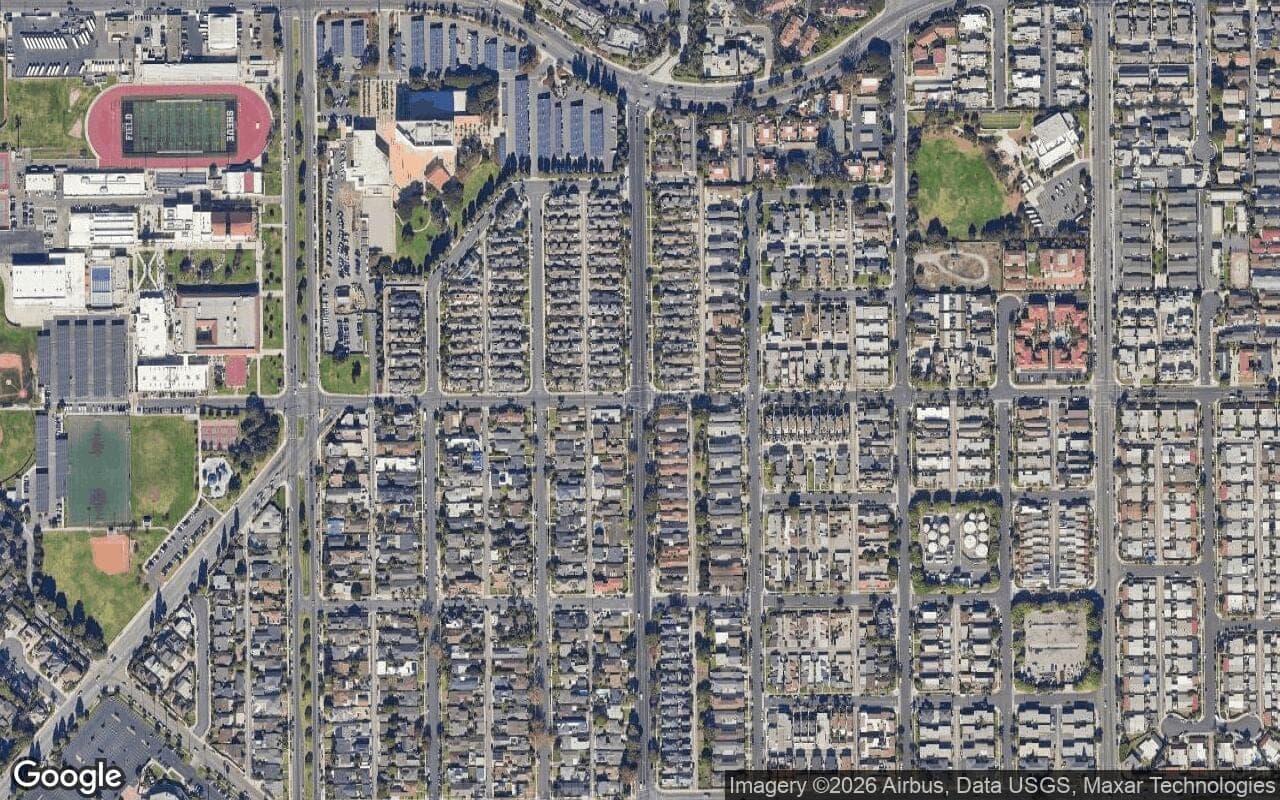
What are the different neighborhoods in Huntington Beach and how do they compare?
Huntington Beach neighborhoods run from Downtown by the Pier to Huntington Harbour's waterfront canals and planned tracts, each with different housing styles, prices, and HOA levels.
Huntington Beach is not one market. It is a collection of distinct areas that vary by housing style, price tier, distance to the sand, and how common a homeowners association is. Downtown and the Pier lean toward walkable coastal blocks near Main Street. Huntington Harbour is built around canals and boat docks. Seacliff and Brightwater are planned communities near Bolsa Chica, and the southeast tracts near ZIP 92646 skew toward single-family homes on interior streets.
The fastest way to compare them is to hold a few features constant and see how each area scores. Look at the dominant housing type, the typical price range, how close you are to the beach, whether an HOA is involved, and how much you can reach on foot versus by car. Those five factors sort most of Huntington Beach cleanly.
This guide walks through the major areas one at a time, then lines them up side by side. If you want a broader look at the areas the team covers, the Huntington Beach communities page is a good next stop, and the local market overview tracks pricing and inventory trends across Orange County.
One note before we start. This is a features-and-location comparison. Craig and Justin Ratowsky focus on the property and the neighborhood, not on who should live anywhere, and any pricing or tax question is best handled in a direct conversation.
What is living near Downtown Huntington Beach and the Pier like?
Downtown Huntington Beach centers on Main Street and the Huntington Beach Pier, and it is the most compact, pedestrian-oriented part of the city. Housing here ranges from older beach cottages and remodeled bungalows in Old Town to newer three-story townhomes and detached homes built on narrow lots. Because parcels are smaller and land near the sand carries a premium, price per square foot tends to run higher than the interior tracts.
The appeal of Old Town is proximity. You are near Main Street shops, coastal dining, the pier, and the sand, which is why walkability scores highest here. The trade-off is smaller lots, tighter parking, and more seasonal foot traffic during summer and event weekends.
Most of the older Downtown and Old Town homes are not governed by an HOA, though some of the newer townhome developments carry monthly dues. If you are weighing a condo or attached home in this area, the condos guide explains how dues and shared structures work. First-time buyers looking at this pocket can start with the buying a home in Huntington Beach guide.
What defines the Huntington Beach Peninsula and coastal blocks?
The blocks closest to the ocean, running along and just inland from Pacific Coast Highway, are the most beach-adjacent inventory in the city. Homes here are a mix of oceanfront and near-ocean properties, and the closer you get to the water, the more the price reflects the view and the sand access rather than the square footage alone. This is where Huntington Beach overlaps with the luxury tier.
Ratowsky Group works with buyers and sellers across condos, first homes, coastal-luxury, and waterfront properties. If you are researching this segment, the luxury page collects higher-tier listings and background. Buyers weighing an oceanfront or near-ocean purchase should understand that coastal properties come with their own inspection and logistics questions.
Distance to the beach is the defining feature here, and it comes with practical considerations like salt exposure, sun and wind, and in some cases coastal permitting overseen by the California Coastal Commission. Walkability to the sand is strong, but day-to-day errands still usually mean a short drive. HOA involvement varies parcel by parcel, so verify dues on any specific home.
How does Huntington Harbour's waterfront and boating lifestyle compare?
Huntington Harbour, in the northwest corner of the city within ZIP 92649, is built around a system of canals and islands, including Trinidad, Davenport, Gilbert, Humboldt, and Admiralty, plus the mainland Harbour area. The signature feature is water frontage. Many homes sit on the canals with private docks, which puts boating and paddle access at the back of the property. Housing skews toward larger single-family homes, and waterfront parcels sit at the higher end of the city's price tiers.
The team knows this area in detail. Ratowsky Group has closed waterfront sales on Trinidad Island, and Justin filmed the well-known Seascape video there. For the mechanics of docks, seawalls, leases, and inspections that come with canal-front ownership, the waterfront homes guide is the deeper resource.
Compared with Downtown, the Harbour is more car-oriented for daily errands and less about a walkable Main Street. Many pockets, especially the island and gated sections, carry HOA dues. The draw is the water itself, along with quieter interior streets and larger lots than you typically find near the pier.
What are Seacliff and Brightwater like as planned communities near Bolsa Chica?
Seacliff and Brightwater are two of the city's most recognizable planned communities, both near the Bolsa Chica Ecological Reserve. Seacliff sits inland of the bluffs and includes a range of tract homes and gated enclaves, some near The Huntington Club, the golf course formerly known as Seacliff Country Club. Brightwater is a newer development on the mesa above Bolsa Chica, built with larger, newer construction homes and coastal open space nearby.
Brightwater and nearby planned communities have distinct housing and pricing patterns, so compare recent property-specific sales rather than relying on a single transaction. Both communities lean toward planned layouts, consistent architecture within tracts, and proximity to the Bolsa Chica wetlands and trails managed in part by the California Department of Fish and Wildlife. That open space is a defining amenity for these areas.
Planned communities like these more often carry HOA dues. Confirm the current dues directly with the association before you rely on a number. If you want a close read on association documents, the HOA document review guide covers what to check.
What can you expect in the Goldenwest and Central Park area?
The areas around Goldenwest Street and Huntington Central Park sit more toward the middle of the city, away from the immediate coast. Housing here is largely single-family, with a mix of original tract homes and remodeled or expanded properties. Because these blocks are farther from the sand, price per square foot generally runs below the beach-adjacent and waterfront tiers, which is part of the appeal for buyers focused on square footage and lot size.
Central Park itself is a large public green space with trails, a library, and open areas, and the Bolsa Chica wetlands are within reach to the west. Justin has lived in several of these interior pockets over the years, including Central Park, Hope View, and Marine View, which is part of why the team can speak to how these neighborhoods differ block by block.
Walkability is more moderate here than Downtown. You are more likely to drive to the beach or to Main Street, but you trade that for larger lots, quieter streets, and more parking. HOA prevalence is lower in the older single-family tracts, though newer or attached developments may have dues.
What about the southeast Huntington Beach tracts?
The southeast side of the city, much of it in ZIP 92646, is dominated by single-family tract homes built across several decades. This is a large share of Huntington Beach's overall housing stock, and it tends to offer more home for the money than the coastal and waterfront tiers because it sits farther inland. Lots are generally consistent within each tract, and many homes have been updated or expanded over time.
These neighborhoods are more residential and car-oriented, with shopping and dining reached by car rather than on foot. Beach access is a short drive rather than a stroll. For buyers prioritizing interior space, a functional layout, and value per square foot, this part of the city often lines up well.
HOA involvement is generally lower in the older single-family tracts, though some pockets and newer developments carry dues. As always, confirm on the specific property. If you are comparing these tracts against a condo or attached home elsewhere, the buyers page is a useful starting point for organizing your search.
How do HOA fees and prevalence differ by neighborhood in Huntington Beach?
HOA prevalence is one of the clearest dividing lines between Huntington Beach neighborhoods. As a general pattern, older single-family tracts are less likely to carry dues, while planned communities, gated enclaves, and attached or newer developments are more likely to. Dues fund shared responsibilities like common-area maintenance, gates, private streets, or amenities, so what you pay reflects what the association covers.
Here is a rough read on how HOA involvement tends to sort across the city, always subject to verification on the specific parcel:
- Downtown and Old Town: many older detached homes have no HOA, while newer townhome projects often do
- Peninsula and coastal blocks: varies parcel by parcel, some condos and attached homes carry dues
- Huntington Harbour: many island and gated sections carry HOA dues, especially waterfront and attached product
- Seacliff and Brightwater: planned communities more commonly carry dues
- Goldenwest and Central Park area: lower prevalence in older single-family tracts, higher for newer or attached homes
- Southeast tracts (92646): generally lower HOA prevalence in older single-family neighborhoods
Which factors should you weigh when comparing Huntington Beach neighborhoods?
Rather than ranking neighborhoods, it helps to rank the factors that matter to you and then see which areas satisfy them. Here is a practical sequence Craig and Justin use when helping buyers narrow a search across Huntington Beach and coastal Orange County.
- 1. Housing type. Decide whether you want a detached single-family home, an attached townhome, a condo, or waterfront product, because that alone rules some neighborhoods in or out.
- 2. Price tier. Coastal and waterfront blocks sit at the top; interior tracts generally offer more square footage per dollar. Set your range first.
- 3. Beach proximity. Be honest about whether you want to be near the sand or are fine with a short drive, since this is the single biggest driver of price near the coast.
- 4. HOA tolerance. Decide whether you want the services and rules of an association or prefer to avoid monthly dues, then filter accordingly.
- 5. HOA reserves. In planned communities, read the reserve study and check for any pending special assessment before you commit.
- 6. Walkability versus lot size. Downtown trades lot size for a walkable core; interior tracts trade walkability for larger lots and parking.
- 7. Long-term equity. Think like an investor, not just a resident. Consider how each area has held value and what makes a given block durable over time.
How do price tiers and housing styles line up across Huntington Beach?
Price and housing style move together in Huntington Beach. The highest tiers are the oceanfront blocks and the Huntington Harbour waterfront, where the view, the sand access, or the private dock drives value beyond the square footage. Oceanfront and waterfront properties require more property-specific diligence than a citywide price comparison can provide.
The middle tiers include planned communities like Seacliff and Brightwater and the newer Downtown townhomes, where architecture is more consistent and amenities or open space factor into pricing. The more accessible tiers are the interior single-family tracts near Goldenwest, Central Park, and the southeast side, where buyers get more interior space and lot for the money in exchange for distance from the coast.
Two things are worth remembering. First, these are broad patterns, and individual homes vary widely based on condition, upgrades, lot, and exact location. Second, pricing strategy is property-specific. For a read on what a particular home might sell for, the home value tool is a starting point, and a direct conversation gives you the fuller picture. The team is not a tax or legal advisor, so treat any figure here as general market context, not advice.
How do Craig and Justin Ratowsky help you compare Huntington Beach neighborhoods?
Craig and Justin Ratowsky work across Huntington Beach and coastal Orange County. If you are comparing specific neighborhoods, ask them to walk through current listings, recent sales, and the details of each property rather than relying on citywide averages.
That lived history matters when the differences between neighborhoods come down to specific blocks rather than broad labels. The team's approach pairs that old-school local knowledge with new-school systems and Compass tools, so you can compare areas on real features instead of marketing language.
If you want to talk through which parts of Huntington Beach and Orange County fit what you are looking for, you can reach out through the contact page for a low-pressure conversation. There is no obligation, just useful information to help you compare.
Sources
Frequently asked questions
- What ZIP codes are in Huntington Beach?
- The main residential ZIP codes in Huntington Beach are 92646, 92647, 92648, and 92649. Downtown, Old Town, and much of the coastal core fall in 92648, while Huntington Harbour and the northwest sit in 92649. The southeast tracts are largely 92646.
- Which Huntington Beach neighborhoods are on the water?
- Huntington Harbour is the city's main waterfront neighborhood, built around canals and islands including Trinidad, Davenport, Gilbert, Humboldt, and Admiralty, with many homes on private docks. The Peninsula and oceanfront blocks near the pier are beach-adjacent rather than canal-front. Both sit at the higher end of local price tiers.
- Do Huntington Beach neighborhoods have HOAs?
- It varies by neighborhood and by parcel. Older single-family tracts often have no HOA, while planned communities, gated enclaves, and attached or newer developments more commonly carry dues. Always confirm HOA dues and any special assessment on the specific home before relying on a number.
- What is the difference between Seacliff and Brightwater?
- Both are planned communities near the Bolsa Chica wetlands. Seacliff sits inland of the bluffs and includes a range of tract homes and gated enclaves near the golf course, while Brightwater is a newer development on the mesa with larger, newer construction homes and coastal open space nearby. Both more commonly carry HOA dues than older tracts.
- Which Huntington Beach neighborhoods are near the beach?
- Downtown, Old Town, and the Peninsula blocks sit closest to the sand and the Huntington Beach Pier, with the most pedestrian-oriented layout. Huntington Harbour is on the water via canals rather than the open beach. Interior areas like Goldenwest, Central Park, and the southeast tracts are a short drive from the coast.
- Is Huntington Harbour part of Huntington Beach?
- Yes, Huntington Harbour is a waterfront area within the city of Huntington Beach, located in the northwest corner in ZIP 92649. It is a system of canals and islands with many dock-front homes. It sits at the higher end of the city's price tiers.
Topics
- best Huntington Beach realtor
- best Huntington Beach real estate agent
- Huntington Beach realtor
- Huntington Beach real estate agent
- Huntington Beach real estate broker
- Ratowsky Group
- Justin Ratowsky realtor
- Justin Ratowsky Huntington Beach realtor
- Compass Huntington Beach