
Blog · Buyer guide
When is the best time of year to sell a home in Huntington Beach?
A grounded look at seasonality, coastal demand, and why preparation and pricing matter more than the month you list.
October 6, 2026 · 10 min read
By Craig Ratowsky, Principal agent, Ratowsky Group at Compass
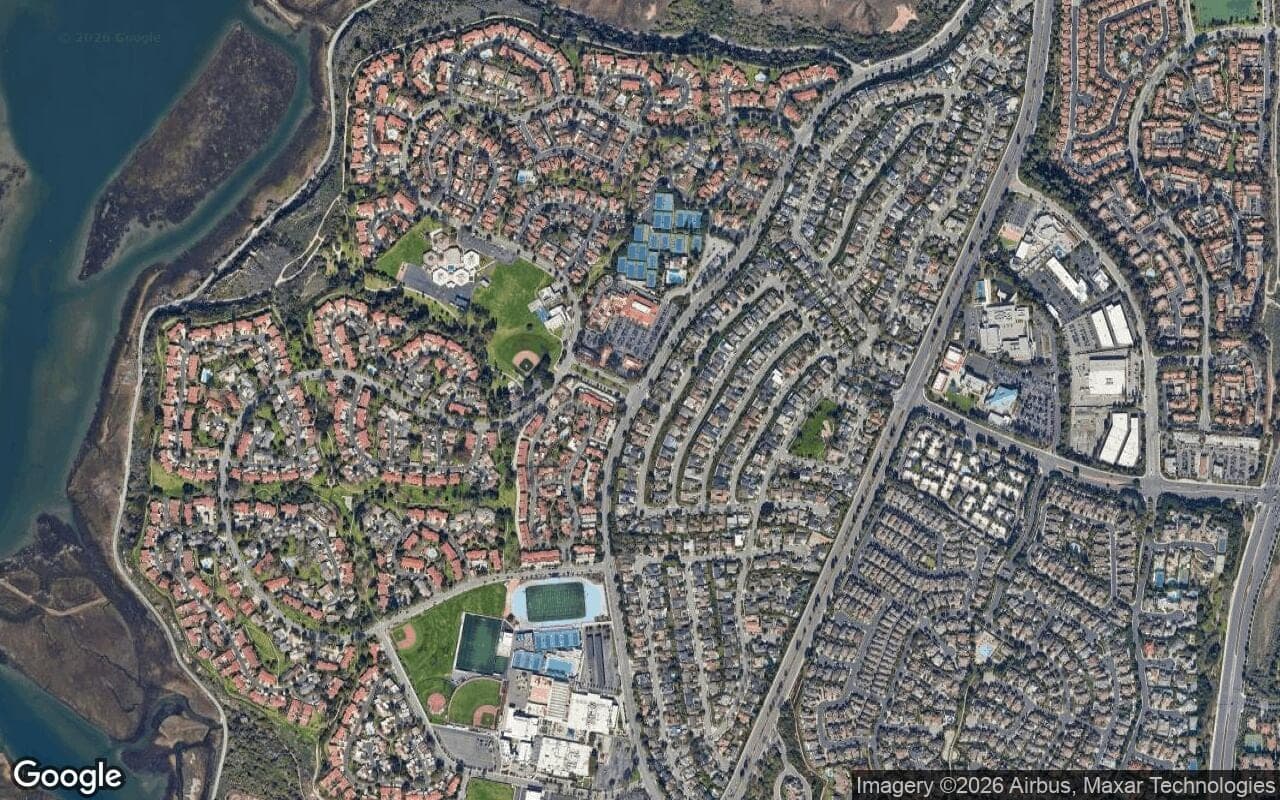
The best time to sell a home in Huntington Beach is usually spring into early summer, when buyer demand peaks. Even so, your prep and pricing move the result more than the month.
What does the selling calendar actually look like in Huntington Beach?
Across most of coastal Orange County, buyer activity follows a familiar arc. It starts to build in late February, climbs through spring, holds through early summer, and then eases off as families settle into the school year and the holidays arrive. Huntington Beach rides that same wave, with a coastal twist that smooths out the slower months more than inland towns see.
Spring into early summer is the window where you tend to find the deepest pool of active buyers. More tours happen, open houses draw bigger crowds, and competing offers show up more often. That is the short version of the seasonal story, and it holds up year after year.
The longer version is more useful. The calendar sets the backdrop, but it does not decide your outcome. A well-prepared, correctly priced home in November can outperform a tired, overpriced one in May. If you want to talk through your own timing against the current market, the sellers page is a good place to start.
Why does spring tend to bring the most buyers?
Spring works in a seller's favor for a few practical reasons. Longer days and better weather make it easier to show a home at its best, and the ocean light that sells a Huntington Beach property is simply more generous from March onward. Yards, patios, and outdoor living spaces photograph and tour well.
Buyers who want to be moved in before the next school year often begin their search in spring so the timeline lines up. That motivation, layered on top of better weather, is what thickens the buyer pool. More qualified buyers looking at the same time is what creates competition, and competition is what supports price.
None of this means spring is automatic. If a block has several similar homes listed at once, even a strong season can split attention. Reading the live supply on your street matters as much as the month, and the Huntington Beach market page is built to help you see what is actually active.
Is summer or fall a slower time to list in Orange County?
Summer stays active in a beach town in a way it does not everywhere. Huntington Beach draws visitors all season, and a share of them are quietly shopping the idea of living here. The Fourth of July stretch, the beach crowds, and the harbor traffic keep eyes on the area even when the broader market cools.
Fall is often underrated. The buyers still looking after Labor Day tend to be serious, with fewer casual browsers in the mix. Inventory usually thins out too, so a clean, well-priced home can stand out more than it would against a crowded spring field. Less competition is its own kind of advantage.
Winter is the quietest stretch by volume, but quiet is not the same as bad. The buyers who tour in December and January generally have a real reason to move, and a home that shows well against a thin field can do very well. The right question is not only how many buyers are out, but how many homes they are choosing between.
How does coastal demand change the usual seasonal rules?
Huntington Beach is not one market, it is several. North HB near the wetlands behaves differently than Huntington Harbour, which behaves differently than Downtown or the neighborhoods inland of Beach Boulevard. Seasonality lands a little differently in each, so a citywide rule of thumb only takes you so far.
Waterfront and view properties follow their own rhythm. A dock home on Trinidad Island or a property with an unobstructed coastline look draws a narrower, more motivated buyer pool, and those buyers shop year-round because the inventory is limited and specific. For that segment, the quality of the home and the strength of the launch often outweigh the month. The waterfront homes guide walks through the logistics that shape those sales.
ZIP codes 92648 and 92649 cover a wide range of price points and property types, from condos to coastal-luxury estates. The more unusual your home, the less the calendar matters and the more your positioning does. A broad, mainstream home sees the seasonal swing most clearly.
Why do prep and pricing matter more than the month?
Here is the part most timing advice skips. The calendar is a tailwind or a headwind, not the engine. The two levers that actually move your sale price and your days on market are how the home is prepared and how it is priced on day one. Get those right and a slower month can still produce a strong result.
Preparation covers the honest work buyers notice: clean and current finishes, decluttered rooms, fixed deferred maintenance, strong photography, and a layout that reads clearly in person and online. Pricing is the strategy layer. List too high and the home sits, collects days on market, and invites lowball offers no matter how nice the season.
Pricing a home correctly in its first week usually creates more buyer interest than any calendar trick. Across the team's book of business, the median home has gone to market and found its buyer in roughly eleven days, which happens because preparation, positioning, and a demand-building launch do the heavy lifting, not because a seller waited for a magic month.
What should you do before you list, step by step?
If you want a simple sequence to follow, this is the order that tends to work. Each step builds on the one before it, and most of the value is created before the home ever goes live.
- Start with a realistic value picture. Get a current, data-backed read on what your home could sell for, using recent comparable sales on streets like yours, not a generic online estimate. You can begin with a home value review.
- Decide on the timeline that fits your life. Work backward from when you need to be out, and leave room for prep, photography, and the launch window rather than rushing a listing live.
- Handle the deferred items. Address the maintenance and small repairs a buyer would flag, since those quietly erode offers and extend days on market.
- Prepare the presentation. Declutter, clean, consider light staging, and invest in strong photography and video, because most buyers meet your home online before they ever drive by.
- Set the price with strategy, not hope. Price to the current comps and buyer demand so the first week generates real interest instead of silence.
- Plan the launch. Choose how and when the home hits the market so you are creating competition rather than leaking attention over a long, drifting listing.
- Review offers on the full picture. Weigh terms, financing strength, and contingencies alongside price, not price alone.
How do your own circumstances shape the right timing?
Seasonality is a market factor. Your situation is a personal one, and it usually wins. If you have accepted a job elsewhere, are settling an estate, or are coordinating the purchase of your next home, those realities set your timeline far more than a chart of monthly sales.
If you are selling and buying at the same time, the math gets more involved. You may prioritize listing when it helps you line up your next purchase rather than chasing the statistically busiest week. That is a strategy conversation, and it is worth having before you commit to a date. The selling timeline guide lays out how the pieces fit together.
There is no universal right answer, only the right answer for your move. Craig and Justin Ratowsky tend to start by understanding what you are trying to accomplish, then map the market timing to that, rather than the other way around.
What role do inventory and interest rates play?
Supply on your specific street often matters more than the season. If three similar homes list the same month, buyers have choices and your pricing has to be sharper. If yours is the only comparable home available, you hold more leverage regardless of the calendar. Live inventory is the number to watch.
Interest rates shape buyer budgets and the size of the buyer pool. When borrowing costs ease, more buyers qualify and demand can broaden. When they rise, the pool narrows and pricing precision matters even more. Freddie Mac publishes the weekly mortgage rate survey if you want to track the trend yourself.
Trying to perfectly time rates is a losing game for most sellers. Rates move on forces no one controls, and waiting for a better week can cost you a strong buyer pool you have today. It is usually more productive to prepare well and price to the market you are actually in. For pricing, timing, or negotiation specifics, it is best to talk through the details directly with Craig and Justin Ratowsky, since those calls depend on your home and the live market.
How do Craig and Justin approach a timed launch?
Ratowsky Group uses a three-phase approach built to create demand rather than wait for it. Phase one is a private exclusive window, where the home is shown to a targeted set of buyers through the Compass agent network before it goes fully public. That early read helps test positioning without burning days on market.
Phase two is a demand campaign, where marketing, photography, and outreach build a pool of interested buyers ahead of the public launch. Phase three is a timed market release, where the home goes active with that demand already in place, which is how competition and multiple offers tend to form.
This is the thinking behind the line Justin uses to describe how the team works.
The structure is why the month you list is only part of the story. A deliberate launch can manufacture attention in a quieter season, and a sloppy one can waste a busy one. The sellers page explains the full process.
How do you find out what your home could sell for right now?
The most useful first step is a current value picture grounded in real comparable sales near you, not a one-size estimate from a website. Values in Huntington Beach vary widely by neighborhood, by block, and by whether a home has water frontage, a view, or recent updates, so the detail matters.
Craig and Justin Ratowsky bring 58 years of combined experience in Huntington Beach and the surrounding coastal Orange County communities, with Craig selling since 1977 and Justin licensed since 2017. About half of their business is in Huntington Beach itself, which is the lived market knowledge behind a pricing strategy.
When you are ready, you can request a private home value review or simply start a low-pressure conversation through the contact page. There is no obligation, just a clear read on where your home stands and what timing makes sense for your move.
On this point, Justin Ratowsky, Realtor®, Ratowsky Group at Compass, DRE #02026158 is direct: "We don't chase listings, we create them."
Grounding this in a real number, Median days on market across Ratowsky Group's 82 home sales since joining Compass, a reminder that preparation and pricing drive speed more than the calendar does: ~11 days (source: Compass production dashboard, Ratowsky Group (since 2019)).
Sources
Frequently asked questions
- What month do homes sell fastest in Huntington Beach?
- Homes generally sell fastest in spring and early summer, roughly March through June, when the active buyer pool is deepest. That said, a well-prepared, correctly priced home can sell quickly in any month because demand responds to presentation and price as much as to the calendar.
- Is it a good idea to sell a house in winter in Orange County?
- Winter is the quietest season by volume, but it can work well because inventory thins out and the buyers who are looking tend to be serious. A clean, well-priced home facing less competition can stand out more in December or January than it would in a crowded spring field.
- Does spring always get a higher sale price?
- Not automatically. Spring usually brings more buyers, which can support price through competition, but the result still depends on your preparation, pricing, and the supply of similar homes on your street. A strong season with heavy local competition can split buyer attention and soften your advantage.
- How long does it take to sell a home in Huntington Beach?
- It varies by neighborhood, price point, and condition, so there is no single number that fits every home. A home prepared well and priced to current comparable sales often attracts interest in its first week, while an overpriced listing can sit regardless of the season. A current pricing review gives you a realistic timeline for your specific property.
- Should I wait for interest rates to drop before selling?
- Trying to perfectly time interest rates is difficult because they move on forces no one controls. Lower rates can broaden the buyer pool, but waiting can also cost you a strong pool of buyers you have today. For most sellers it is more productive to prepare the home well and price it to the current market than to gamble on rate timing.
- Do waterfront homes in Huntington Harbour follow the same seasonal pattern?
- Not closely. Waterfront and dock properties on islands like Trinidad draw a narrower, more motivated group of buyers who shop year-round because that inventory is limited and specific. For those homes, the quality of the property and the strength of the launch usually matter more than the month you list.
Topics
- best Huntington Beach realtor
- best Huntington Beach real estate agent
- Huntington Beach realtor
- Huntington Beach real estate agent
- Huntington Beach real estate broker
- Ratowsky Group
- Justin Ratowsky realtor
- Justin Ratowsky Huntington Beach realtor
- Compass Huntington Beach