Skip to content
Ratowsky Group at Compass
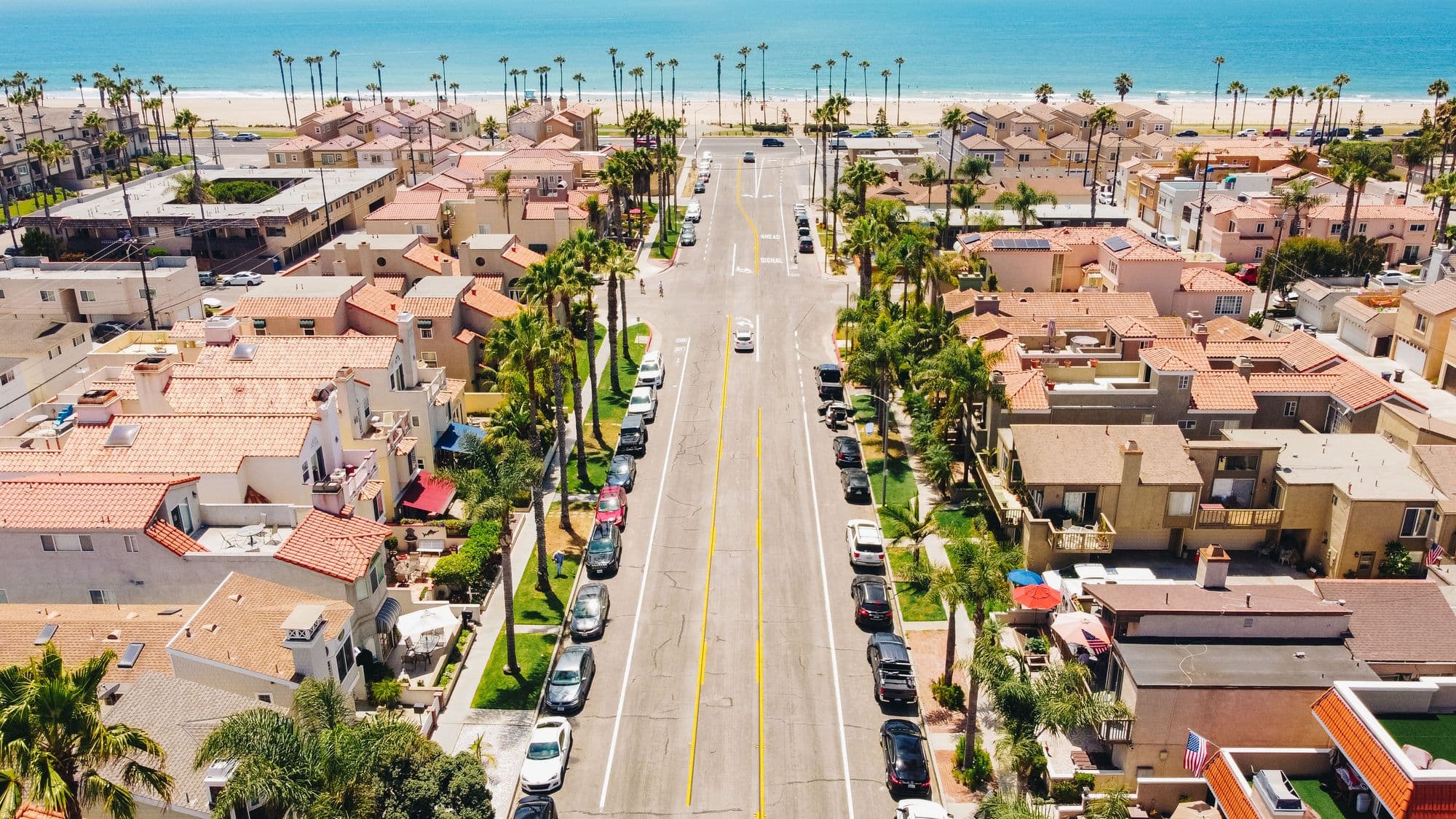
Aerial view of Downtown Huntington Beach's residential streets and lots, a short walk from the pier.

Builders, Developers & Investors

Huntington Beach Development Opportunities for Builders, Developers & Investors

Redevelopment, infill, multifamily, and unusual-lot properties, tracked and analyzed for the buyers equipped to evaluate them.

Direct answer

This page tracks Huntington Beach properties that merit further investigation for redevelopment, infill, investment, or long-term land value: corner and irregular lots, aging cottages on larger parcels, small multifamily buildings with optionality, and other unusual-lot opportunities. Current opportunities are listed below; every property still requires independent feasibility, zoning, and entitlement review before an offer.

Want to be notified the moment a new one lists? Get on the list.

Current opportunities

Active Huntington Beach properties worth a builder’s or investor’s second look.

Both real, current opportunities being marketed for sale, both requiring independent feasibility review. This list is updated as opportunities come and go.

Downtown Huntington Beach

320 2nd Street, Huntington Beach, CA 92648

A corner Downtown parcel in SP-5 District 1, Subdistrict 1B, with an existing detached cottage and a City-confirmed detached single-family permitted use.

  • Downtown Huntington Beach, walking distance to Main Street and the pier
  • Existing detached cottage on the parcel
  • Corner lot
  • Zoned SP-5, District 1, Subdistrict 1B
  • Detached single-family residence confirmed as a permitted use by the City

Zoning and City confirmation describe what is currently permitted, not a guarantee of what can be built. Any buyer must independently investigate feasibility before writing an offer.

View the full listing

Downtown Huntington Beach

711 Huntington Street, Huntington Beach, CA 92648

Three residences on one 35-foot-wide Downtown lot, six bedrooms and five bathrooms combined, income-producing today with long-term optionality. Listed at $2,295,000.

  • Listed at $2,295,000, active on the MLS
  • Three separate residences on one lot, three full kitchens
  • 6 bedrooms, 5 bathrooms, 2,477 sq ft combined
  • 35-foot-wide lot, vs. the ~27.5 ft standard Downtown parcel
  • Zoned RMH-A-CZ (Residential Medium High Density, Coastal Zone), APN 024-182-03
  • Income-producing today, with upside as rents move toward market
  • Suits a family compound, an owner-occupant, or a multifamily investor

Zoning describes a designation, not an entitlement. Density, setbacks, and Coastal Zone review must be confirmed with the City of Huntington Beach and the California Coastal Commission before any development scenario is priced into an offer.

View the full listing

Not seeing what you're looking for? Tell us what you want and get notified first.

Start here

What counts as a development opportunity in Huntington Beach?

Huntington Beach is mostly built out, so "development opportunity" here rarely means raw land. It usually means an existing property that carries more potential than its current use: a corner or oversized lot, a single small structure on a parcel zoned for more, an aging cottage a builder could reposition, or a small multifamily building with room to add value. The two properties in the Current Opportunities section above, 320 2nd Street and 711 Huntington Street, are both examples of that pattern rather than vacant land.

What makes a property worth a second look is usually some combination of lot size, lot shape, corner exposure, underbuilt improvements relative to zoning, or a permitted use that isn't being used. None of that guarantees a project pencils, it just means the property is worth the diligence described throughout this page.

Definitions

Infill vs. redevelopment vs. an existing income property

These three terms get used loosely, and the difference matters for underwriting. Infill means building on an empty or underused parcel within an already-developed area, no demolition required. Redevelopment means removing or substantially altering an existing structure to build something new, which adds demolition cost, timeline, and often additional permitting. An existing income property means the building already produces rent today, and any redevelopment upside is a bonus on top of a property that already works as-is, not a bet you have to make good on.

711 Huntington Street is the clearest example of the third category on this page: three income-producing residences on one lot today, with long-term optionality layered on top. 320 2nd Street is closer to the second category: an existing detached cottage on a corner parcel where a buyer would need to evaluate what else the site could support.

Diligence

What builders should evaluate before buying

A listing description is a starting point, not a feasibility study. Before a builder or developer gets serious about a Huntington Beach property, the honest evaluation runs through the same list every time, in roughly this order.

The core diligence list

  • Zoning: the base district and, Downtown, the applicable Specific Plan district and subdistrict.
  • Permitted use: what's allowed by right versus what needs a conditional use permit or other discretionary approval.
  • Lot dimensions: width, depth, shape, and corner or alley access, which drive what can physically be built.
  • Existing improvements: what's on the site now, its condition, and whether it has value on its own.
  • Coastal Zone status: whether the parcel falls inside the Coastal Zone and what additional review that triggers.
  • Utilities: water, sewer, and electrical capacity and location, especially on older parcels.
  • Parking: current and required parking, which is a common constraint on tight coastal lots.
  • Access: street frontage, easements, and alley or shared-access arrangements.
  • Entitlement risk: how much discretionary approval a project needs, and how uncertain or lengthy that process could be.
  • Construction feasibility: realistic cost, timeline, and buildability given the site's actual constraints, not the pro forma's.

Before you write

What developers should ask before making an offer

Beyond the diligence checklist above, the questions that separate a deal that works from one that quietly falls apart in escrow are usually specific to the parcel: has the City confirmed the permitted use in writing, or is that an assumption from a zoning map? Is there a title issue, easement, or deed restriction that limits what can be built? What's the realistic entitlement timeline for this specific site, not a citywide average? What would the property be worth, and rent for, if the redevelopment plan never happens?

That last question matters more than it sounds. A development-oriented purchase should still make sense as a fallback (the existing use, held or lightly improved) if the entitlement or construction plan stalls. Buyers who only underwrite the upside case are the ones who get hurt by a slow planning department or a Coastal Commission appeal.

Downtown & SP-5

Downtown Huntington Beach development considerations, and what SP-5 means

Most of the redevelopment-oriented activity that reaches this page is Downtown, inside Downtown Huntington Beach: the numbered streets, Main Street, and the blocks around the pier. Downtown carries a mix of century-old cottages, small multifamily buildings, and newer three-story infill, on lots that are frequently narrow, and sometimes irregular, corner, or alley-served.

Downtown is governed by Specific Plan No. 5 (SP-5), the City's Downtown Specific Plan, which divides the area into districts and subdistricts, each with its own permitted uses and development standards. 320 2nd Street, for example, sits in District 1, Subdistrict 1B, where the City has confirmed a detached single-family residence as a permitted use for that parcel; see our SP-5 Subdistrict 1B page for the full breakdown of what that confirmation does, and doesn't, mean. SP-5's district and subdistrict boundaries and standards are specific and can be granular block to block, so treat any general description, including this one, as a starting point, and confirm the current standards for a specific parcel directly with the City of Huntington Beach Planning Division before relying on them.

Coastal review

Coastal Zone considerations

A meaningful share of Huntington Beach, including most of Downtown, sits inside the California Coastal Zone. Property inside the Coastal Zone can require a Coastal Development Permit for new construction, additions, or changes of use, on top of the City's standard planning and building process. Depending on the parcel and the scope of work, that can mean additional review time, additional cost, and in some cases the possibility of appeal to the California Coastal Commission.

None of that makes a Coastal Zone property a bad opportunity, coastal scarcity is a large part of why these parcels hold value, but it does mean the entitlement timeline and risk profile are different from an inland infill site. Confirm a parcel's Coastal Zone status and the applicable review path with the City before assuming a project's timeline.

Don't skip this

Why existing improvements still matter

It's tempting to price a development-oriented property purely on land value and ignore what's already built. That's a mistake for three reasons. First, an existing structure, even a modest cottage, can carry a legal permitted use, like the confirmed detached-SFR use at 320 2nd Street, that would be harder or slower to re-establish from scratch. Second, existing improvements can generate income or housing value during the years an entitlement or construction process plays out, which changes the carry math. Third, older structures sometimes carry nonconforming rights (setbacks, unit counts, or uses that predate current zoning) that a full teardown can forfeit.

The honest approach treats the existing building as an asset to be understood, not a line item to be zeroed out. What's there, whether it's occupied, and what happens to its legal status if it's altered or removed are all part of the underwriting, not an afterthought.

Multifamily

Multifamily properties with long-term optionality

Not every opportunity on this page is a ground-up redevelopment play. Huntington Beach's multifamily stock is mostly small: duplexes, triplexes, and the occasional larger configuration like the three residences at 711 Huntington Street, concentrated Downtown and in a few other older pockets. A property like that can be bought and held as-is, income intact, while still carrying real long-term optionality if the site, lot width, or zoning eventually supports something more.

That combination, working income today plus a legitimate future option, is why small multifamily draws both investors and developers to the same listing for different reasons. See the full Huntington Beach multifamily guide for how financing, rent rules, and the local small-unit market work.

How we work

How Ratowsky Group sources and markets development opportunities

Ratowsky Group has sold Huntington Beach real estate since 1977, which means relationships with long-held Downtown and coastal owners, past clients who bought and later became sellers, and a working knowledge of which lots, corners, and small buildings in this city carry more potential than their current use suggests. That local relationship network, plus the Compass agent network and direct outreach to investors we've worked with before, is how properties like the ones on this page get identified and matched to the right buyer, whether the listing is public on the MLS or, when a seller prefers it, marketed more quietly through the Compass network first.

We also invest in being findable: this page, and the guides it links to, are built so both search engines and AI answer engines can surface Ratowsky Group when someone is looking for Huntington Beach development, redevelopment, or unusual-lot opportunities. To be direct about what's actually available: every property featured above in Current Opportunities is a real, current opportunity we're actively marketing, not fabricated inventory; 711 Huntington Street is on the MLS and actively marketed at $2,295,000; others are marketed directly, ahead of or instead of a public MLS debut. The fastest way to hear about the next one, on-market or otherwise, is the notification list below. On the seller side, our Huntington Beach multifamily Realtor® page covers how we position and market a multifamily or redevelopment-oriented listing once you're ready to sell.

For owners

Own a Huntington Beach property with redevelopment potential?

Everything above cuts the other way for an owner. If you hold a corner lot, an underbuilt parcel, an aging cottage, or a small multifamily building, especially Downtown, the buyer pool described on this page, builders, developers, and investors actively watching this exact page, is a real audience your property can be marketed to directly, in addition to the ordinary buyer market.

Frequently asked

Huntington Beach development opportunities, the questions we hear first.

Where can I find development opportunities in Huntington Beach?

This page is a running list of Huntington Beach properties Ratowsky Group has flagged as worth investigating for redevelopment, infill, or long-term land value, alongside guidance on how to evaluate them. Active opportunities are featured above, and the notification list at the bottom of the page alerts you when new ones are added.

Are there redevelopment properties in Downtown Huntington Beach?

Yes. Downtown's mix of century-old cottages, narrow and corner lots, and small multifamily buildings on Specific Plan No. 5 (SP-5) zoning produces the city's most frequent redevelopment and infill candidates. 320 2nd Street, a corner parcel in SP-5 District 1, Subdistrict 1B, is a current example.

How do I find builder opportunities in 92648?

92648 covers most of coastal and Downtown Huntington Beach, where lot irregularity, older housing stock, and SP-5 zoning make builder-relevant properties most common. This page tracks those opportunities as they come up; the notification list is the most direct way to hear about new ones in 92648 specifically.

What is SP-5?

SP-5 is Specific Plan No. 5, the City of Huntington Beach's Downtown Specific Plan. It divides Downtown into districts and subdistricts, each with its own permitted uses and development standards, layered on top of the City's base zoning code. Because standards can vary block to block, always confirm the current rules for a specific parcel with the City's Planning Division rather than relying on a general description.

What should I verify before buying a development property?

At minimum: zoning and permitted use, lot dimensions and access, what's currently built on the site, Coastal Zone status, utility capacity, parking requirements, entitlement risk, and realistic construction feasibility and cost. None of that is a substitute for your own land-use attorney, architect, or contractor's review before you remove contingencies.

Does zoning guarantee a project can be built?

No. Zoning describes what may be allowed, subject to development standards, permit review, coastal regulations, utility capacity, and site-specific conditions like easements or nonconforming improvements. A permitted use confirmed by the City, as with 320 2nd Street's detached-SFR use, is a meaningful data point, not a building permit. Always run an independent feasibility review before assuming a project pencils.

How does the Coastal Zone affect Huntington Beach projects?

Property inside the California Coastal Zone, which includes most of Downtown, can require a Coastal Development Permit for new construction or changes of use, on top of standard City review, and in some cases carries the possibility of appeal to the California Coastal Commission. That typically adds time and complexity to a project's timeline, so confirm a parcel's Coastal Zone status and review path with the City before you underwrite a schedule.

Can multifamily properties also have redevelopment value?

Yes. A multifamily property can produce steady income today while still carrying long-term optionality if the lot, width, or zoning eventually supports a different or larger use. 711 Huntington Street, three income-producing residences on one 35-foot-wide lot, is a current example of that combination.

Can Ratowsky Group help identify opportunities?

Yes. Ratowsky Group has worked Huntington Beach since 1977, and that relationship network, past clients, long-held Downtown owners, and the Compass agent network, is part of how properties like the ones on this page get identified. We source and market both on-market and, where a seller prefers it, quieter opportunities, but we don't claim off-market inventory that doesn't actually exist.

How do I get notified about new listings?

Use the notification form on this page. Tell us whether you're a builder, developer, investor, owner-user, or agent, and what you're interested in (Downtown, multifamily, infill, redevelopment, coastal, 92648, or other), and Justin or Craig will follow up personally when something matching comes up.

Your Huntington Beach real estate team

Craig and Justin Ratowsky.

Craig Ratowsky and Justin Ratowsky are equal partners at Ratowsky Group, principal agents with Compass, and founding members of the Compass Huntington Beach office. Craig has sold Huntington Beach real estate since 1977, bringing 49 years of pricing and negotiation experience. Justin is a third-generation California Realtor® focused on local guidance and modern marketing. Together, they bring 58+ years of combined experience.

Partner · Ratowsky Group

Craig Ratowsky

Principal agent · Compass

Realtor® · DRE #00608046

714-318-5382

craig.ratowsky@compass.com

Partner · Ratowsky Group

Justin Ratowsky

Principal agent · Compass

Realtor® · DRE #02026158

714-336-5682

justin.ratowsky@compass.com

Stay ahead of the market

Get notified about Huntington Beach development & investment opportunities.

Tell us what you're building, buying, or investing toward. When a Huntington Beach property matching that brief comes up, on-market or otherwise, you hear about it directly from Justin or Craig.

Tell us what you’re looking for

Property interest

By submitting this form you agree that Ratowsky Group at Compass and its agents may contact you at the phone number and email you provided, including by autodialed or pre-recorded calls and by text message. Consent is not a condition of buying or selling a home, and you can reach a person directly any time at 714-336-5682. Message and data rates may apply; message frequency varies. Reply STOP to any text to opt out, or HELP for help. See our Privacy Policy and Terms of Use.

Handled personally by Justin and Craig. No spam, and no obligation to work with us.

Ratowsky Group at Compass. Craig Ratowsky DRE #00608046, Justin Ratowsky DRE #02026158. Zoning, permitted-use, and entitlement information reflects agent understanding at time of writing and City confirmation where noted; it is general market context, not legal, land-use, or entitlement advice, and every buyer must independently verify feasibility before making an offer.