
Blog · Buyer guide
Is It Worth Moving to Huntington Beach?
A neutral, factual breakdown of the pros and trade-offs of relocating to Huntington Beach so you can decide for yourself.
September 14, 2026 · 11 min read
By Justin Ratowsky, Principal agent, Ratowsky Group at Compass
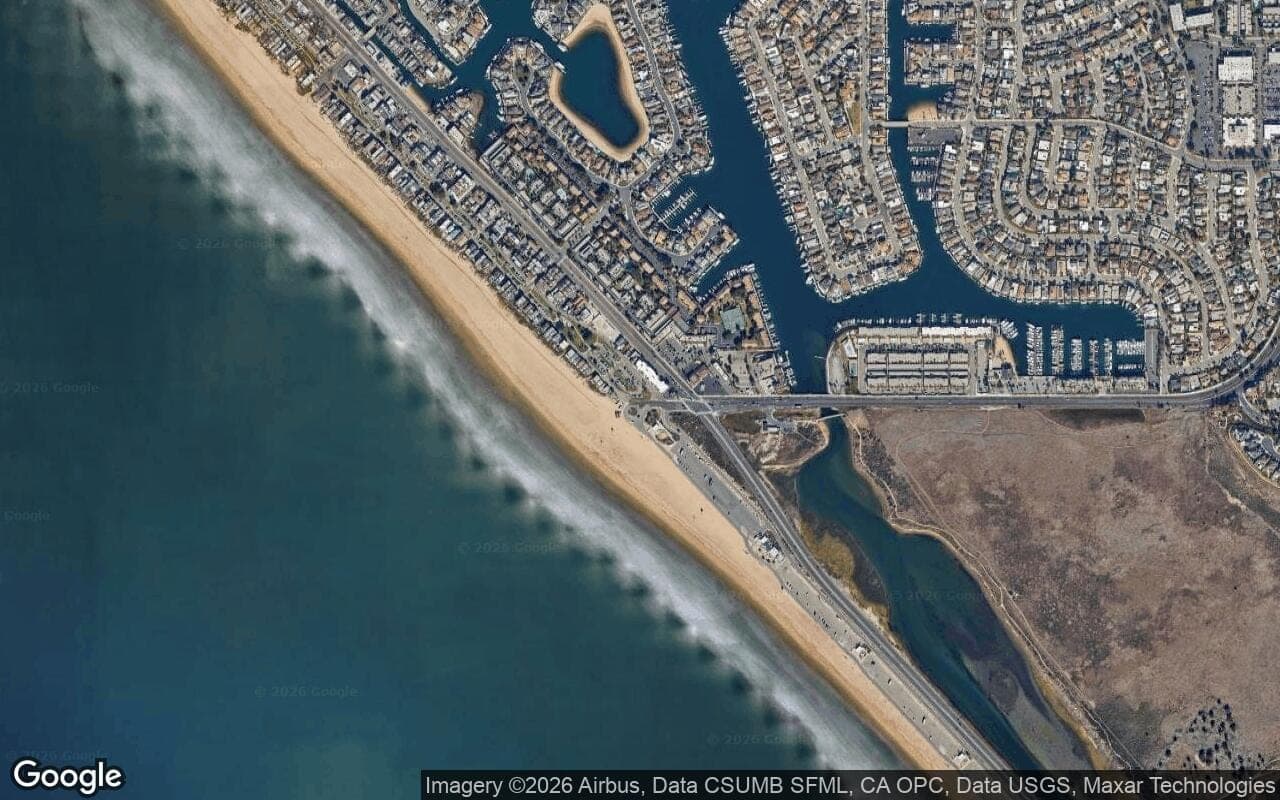
Moving to Huntington Beach is worth it if coastal lifestyle, mild weather, and beach access outweigh higher home prices, summer tourism, and Orange County commutes. Weigh both sides before you decide.
Moving to Huntington Beach is worth it for you if the coastal lifestyle, steady climate, and beach access carry more weight than the higher home prices, seasonal tourism, and Orange County commute times. That is the honest tension at the center of this decision. There is no universal answer, because the value depends on what you want your daily life to look like and what your budget allows.
The case for Huntington Beach is straightforward. You get nearly 10 miles of open coastline, a mild Mediterranean climate, a large park system, and a downtown built around the pier. The trade-offs are just as real. Housing costs sit well above the national average, summer brings crowds and traffic near the coast, and many jobs are a freeway drive away.
The goal of this guide is to lay out both sides as neutral factors, not to sell you on the move. Justin and Craig Ratowsky have lived and worked in Huntington Beach across two generations, and the most useful thing they can offer here is a clear picture, not a pitch. You can read more about the town itself on the Huntington Beach overview and then decide whether the fit is right.
What is the coastal lifestyle actually like in Huntington Beach?
The everyday rhythm here is built around the water. Huntington Beach, often called Surf City, runs a long stretch of open sand from the Santa Ana River jetty up toward Sunset Beach and Bolsa Chica, with the pier and Main Street anchoring the middle. Morning surf checks, bike rides on the beach path, and evening walks along the strand are ordinary parts of the week for people who live near the coast.
The climate is a big part of the appeal. Coastal Orange County stays mild most of the year, with cool ocean air moderating summer heat and winters that rarely turn harsh. That steady weather is one of the reasons outdoor life stays consistent instead of seasonal.
Beyond the beach, the town leans into community events. The Fourth of July parade is commonly billed as one of the largest in the country, the pier hosts surf competitions through the summer, and Downtown keeps a walkable core of restaurants and shops. Bolsa Chica Ecological Reserve gives you protected wetlands and trails a short drive from the sand, which is a different kind of coastal experience than the pier scene.
How much does it cost to live in Huntington Beach?
Cost is where the decision gets serious. Home prices in Huntington Beach and across coastal Orange County sit meaningfully above the national median, and rents follow the same pattern. The coastal location, limited land, and steady demand all push prices up, so your housing budget will stretch further inland than it does within a mile of the water.
The number varies a lot by neighborhood and property type. A condo away from the coast is a very different figure than a single-family home in Huntington Harbour or an oceanfront property, which is why a single citywide average can be misleading.
Beyond the mortgage or rent, factor in California income tax, coastal insurance considerations, and, in some pockets, HOA dues. If you want to pressure-test what your budget actually buys here, the home value tool and the local market page are useful starting points before you talk numbers with anyone.
What are the trade-offs of summer traffic and tourism?
Huntington Beach is a destination, and that cuts both ways. The events, the pier, and the open beach that make the town appealing also draw large crowds, especially from late spring through summer. Pacific Coast Highway, the Downtown core, and the beach parking lots see the heaviest congestion during peak weekends and event days.
How much this affects you depends heavily on where you live. A home a few miles inland or in a quieter harbor pocket feels the tourism pressure far less than a property one block from Main Street. Many longtime residents simply plan around the busy windows and use surface streets they know well.
This is a factor to weigh, not a dealbreaker. Tourism seasonality is predictable, it concentrates near the coast, and it eases sharply outside the summer months. Understanding the pattern before you choose a neighborhood is the practical move.
What are the commute options to Orange County job centers?
Huntington Beach sits within reach of several major Orange County employment hubs, but most of them require a drive. Irvine, Costa Mesa, Santa Ana, and the airport area are all accessible, and Long Beach and the South Bay are close on the northern side of town. The main arteries are the 405 freeway, State Route 22, State Route 55, and Pacific Coast Highway.
Traffic on the 405 corridor is a real consideration during peak hours, so commute time depends on your specific route and schedule. If your work is in Irvine or Newport Beach, your daily drive looks different than a commute toward Long Beach or the 22.
Public transit exists but is more limited than the freeway network. OCTA bus routes serve the area, and John Wayne Airport is a reasonable drive for regional and connecting flights. Metrolink commuter rail runs through neighboring cities rather than directly through Huntington Beach, so most residents plan around driving. Weighing your commute honestly is one of the more important steps in this decision.
What does the Huntington Beach housing market look like?
The Huntington Beach market spans a wide range, and that range is one of the town's defining features. Within ZIP codes 92648 and 92649 you will find everything from condos and townhomes to single-family neighborhoods, harbor-front homes on the islands, and oceanfront property. Prices scale accordingly, so the market you shop depends entirely on the segment.
Demand for well-prepared, well-priced homes near the coast tends to stay strong, though pace and pricing shift with interest rates and inventory like any market. For a sense of how presentation and timing move a result, Ratowsky Group's sale of 3801 Seascape on Trinidad Island went from an estimate near $2.45 million to a $3,925,000 close with 12 offers, eight of them all cash, in eight days on market. That is a specific outcome, not a promise, but it shows how much strategy can matter in the harbor.
If you are early in the process, the buyers page and the buying a home in Huntington Beach guide walk through how the local process works. You can also browse the range of areas on the communities page to see how different pockets are priced and positioned.
Which Huntington Beach neighborhoods should you weigh?
Justin often points out that Huntington Beach does not feel like one place. The neighborhoods carry distinct personalities, price points, and relationships to the coast, so narrowing your search by area is the practical way to test whether the move fits your budget and preferences.
Here are several areas people commonly compare, described by their features rather than any judgment about who belongs there:
- Downtown and Old Town: closest to the pier, Main Street, and the beach path, with a walkable core and the most direct exposure to summer activity.
- Huntington Harbour: a waterfront enclave of islands including Trinidad, Davenport, Gilbert, Humboldt, and Admiralty, known for docks, boat access, and harbor-front homes.
- Central Park area: neighborhoods near Huntington Central Park, one of the larger municipal parks in California, offering trails, the library, and open space.
- North Huntington Beach near the wetlands: quieter pockets closer to Bolsa Chica Ecological Reserve and the northern coastline.
- Sunset Beach: the narrow coastal stretch along Pacific Coast Highway toward the Seal Beach jetty, with a distinct small-beach-town character.
- Brightwater and newer coastal developments: master-planned areas set back on the bluffs with proximity to trails and open space.
What are the pros and trade-offs at a glance?
It helps to see the two sides side by side. None of these are absolutes, and each one lands differently depending on your priorities, your work location, and your budget. Use this as a checklist to sort what actually matters to you.
- Pro: mild, steady coastal climate throughout the year.
- Pro: nearly 10 miles of open beach plus wetlands, trails, and a large park system.
- Pro: an active event calendar and a walkable Downtown around the pier.
- Pro: a wide housing range, from condos to harbor-front and oceanfront property.
- Trade-off: home prices and rents well above the national average.
- Trade-off: summer tourism and traffic concentrated near the coast.
- Trade-off: most Orange County job centers require a freeway commute.
- Trade-off: California income tax and coastal insurance considerations to budget for.
How do the beaches, parks, and events factor into daily life?
For many people considering the move, the outdoor amenities are the whole point. The open coastline supports surfing, swimming, volleyball, and cycling, and the beach path connects long stretches of sand without breaking for private development. That continuous public access is part of what gives the town its identity.
Inland, Huntington Central Park adds a different kind of green space with trails, a lake, the central library, and room to spread out away from the coast. Bolsa Chica Ecological Reserve offers protected wetlands and birdwatching for a quieter outdoor day.
The event calendar keeps the town active. Summer surf competitions at the pier, the Fourth of July parade, and Downtown's ongoing dining and shopping scene give you a lot to do without leaving the city. Whether that energy reads as a benefit or as crowding depends on how close you choose to live to the center of it, which loops back to the neighborhood question.
How should you decide if moving to Huntington Beach is right for you?
The cleanest way to decide is to run your own life through the factors above in order. Start with your budget, because price sets the boundaries of where you can realistically live. Then layer in your commute, since work location shapes your daily experience more than almost anything else. Finally, weigh the lifestyle factors, because those are what make the trade-offs feel worth it or not.
A useful sequence looks like this:
- Set a real housing budget using current market data, not a single estimate.
- Map your commute to your actual job center during peak hours, not just distance.
- Pick two or three neighborhoods that match both, then compare them directly.
- Visit on both a busy summer weekend and a quiet weekday to feel the full range.
- Factor in taxes, insurance, and any HOA dues for the specific home.
- Talk through pricing and timing with a local professional before you commit.
Where can Ratowsky Group help you weigh the move?
Justin and Craig Ratowsky are founding agents of Compass Huntington Beach with 58 years of combined experience across the town and coastal Orange County, and roughly half of their business is in Huntington Beach itself. That means they can talk through neighborhoods, commute realities, and price ranges from lived experience rather than a brochure. Justin is a third-generation California Realtor through his grandmother Maurine, and Craig has been selling here since 1977.
If you want a grounded, no-pressure conversation about whether the numbers and the fit work for your situation, that is the right next step. They are Realtors, not tax or legal advisors, so for pricing, taxes, or contract questions they will point you toward the appropriate licensed professional.
You can reach them through the contact page whenever you want to compare specific areas or run your budget against the current market. There is no obligation, just useful local information to help you decide.
The figure behind that: Combined experience of Craig and Justin Ratowsky in Huntington Beach and coastal Orange County, with about half their business in Huntington Beach: 58 years (source: Ratowsky Group at Compass).
Here is how Justin Ratowsky, Realtor, DRE #02026158, Ratowsky Group at Compass says it: "Huntington Beach has a lot of personality, and it doesn't show up the same way in every neighborhood. The block I grew up on feels different than Huntington Harbour, which feels different than Sunset Beach. Deciding if it's worth the move really starts with figuring out which corner of town fits your life."
Sources
Frequently asked questions
- Is Huntington Beach a good place to live?
- Huntington Beach offers a mild coastal climate, nearly 10 miles of open beach, a large park system, and an active event calendar centered on the pier and Downtown. The trade-offs are higher home prices and summer tourism near the coast. Whether it is a good fit depends on your budget, your commute, and how much you value beach access in daily life.
- Is Huntington Beach expensive to live in?
- Yes, home prices and rents in Huntington Beach sit well above the national average, driven by the coastal location and limited land. Costs vary widely by neighborhood and property type, so a condo away from the coast is very different from a harbor-front or oceanfront home. California income tax and coastal insurance are additional factors to budget for.
- What is the commute like from Huntington Beach to Orange County job centers?
- Most major Orange County employment hubs, including Irvine, Costa Mesa, and Santa Ana, are a freeway drive from Huntington Beach using the 405, State Route 22, and State Route 55. Traffic on the 405 corridor can be heavy during peak hours, so your actual commute depends on your route and schedule. Public transit exists through OCTA buses, but most residents plan around driving.
- Is Huntington Beach too touristy to live in year round?
- Tourism in Huntington Beach concentrates near the coast and peaks from late spring through summer, with the heaviest crowds around the pier, Main Street, and beach parking. Homes set a few miles inland or in quieter harbor pockets feel the pressure far less. The busy windows are predictable and ease sharply outside the summer months.
- What are the main neighborhoods to consider in Huntington Beach?
- Common areas people compare include Downtown and Old Town near the pier, Huntington Harbour with its waterfront islands, the Central Park area, North Huntington Beach near the Bolsa Chica wetlands, and Sunset Beach along Pacific Coast Highway. Each has a distinct character, price range, and relationship to the coast. Narrowing your search by neighborhood is the practical way to test the fit.
- How do I decide if moving to Huntington Beach is worth it for me?
- Start by setting a realistic housing budget using current market data, then map your commute to your actual job center during peak hours. Layer in lifestyle priorities like beach access, parks, and events, and visit on both a busy weekend and a quiet weekday. Comparing two or three neighborhoods that match your budget and commute is the clearest way to reach a decision.
Topics
- best Huntington Beach realtor
- best Huntington Beach real estate agent
- Huntington Beach realtor
- Huntington Beach real estate agent
- Huntington Beach real estate broker
- Ratowsky Group
- Justin Ratowsky realtor
- Justin Ratowsky Huntington Beach realtor
- Compass Huntington Beach