
Blog · Buyer guide
Is Huntington Beach Safe?
A data-referenced answer to whether Huntington Beach is safe, covering published crime statistics and ocean safety without characterizing any neighborhood or group.
September 23, 2026 · 10 min read
By Justin Ratowsky, Principal agent, Ratowsky Group at Compass
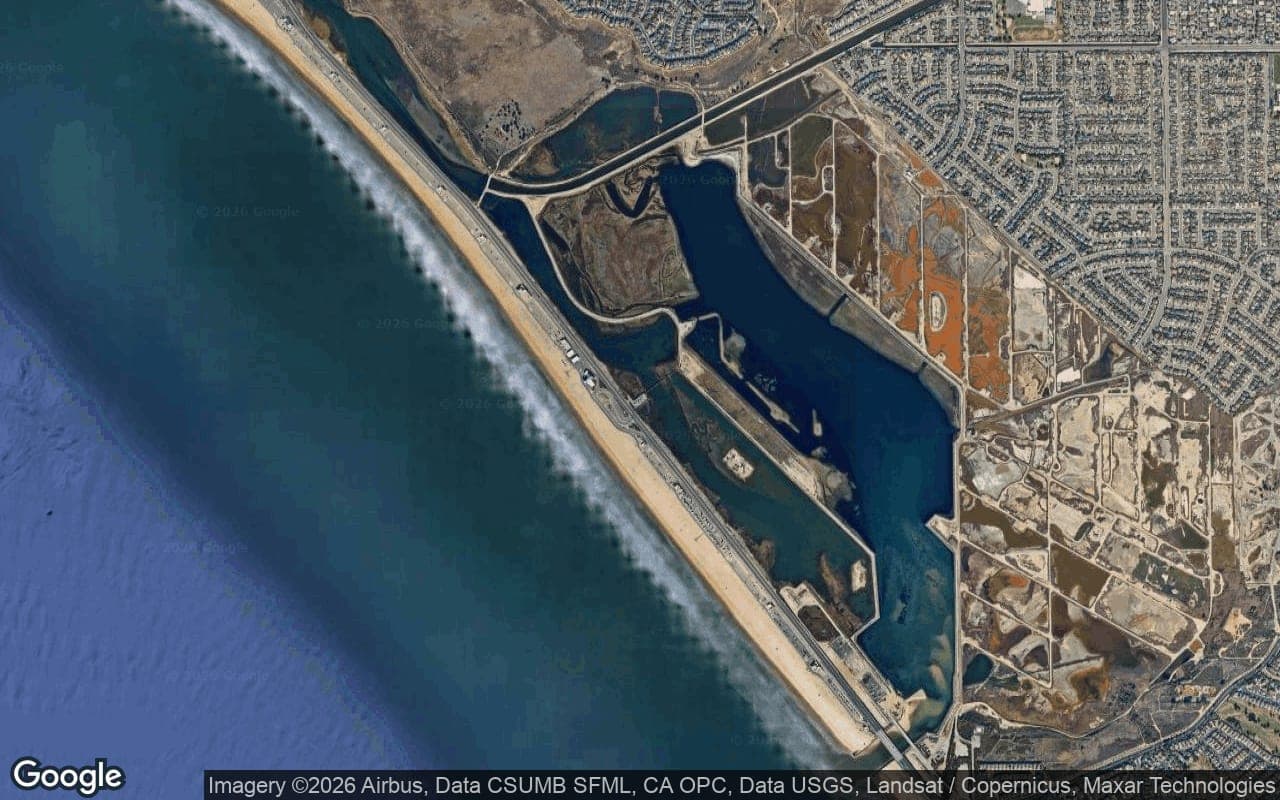
Huntington Beach safety has two sides: publicly reported crime statistics and ocean conditions. Review FBI and city data for this coastal Orange County city, and respect lifeguard-patrolled beaches and rip currents.
Safety in Huntington Beach comes down to two separate questions, and it helps to keep them apart. The first is about crime, which you can research through publicly reported statistics from the Huntington Beach Police Department and federal data tools. The second is about the ocean, because this is a coastal city where the water is a real part of daily life and the biggest physical hazards tend to be tied to surf and currents rather than anything on land.
The honest answer is that no city can be summed up with a single label, and no responsible Realtor should try. What you can do is look at the same public sources anyone else can, understand how the data is collected, and pair that with a clear-eyed view of coastal conditions. This page walks through where to find that information and how to read it.
Ratowsky Group focuses on the property, the location, and the market rather than making broad safety claims. If you are weighing a move to Huntington Beach or elsewhere in coastal Orange County, the goal here is to give you the tools to do your own homework. You can always start a low-pressure conversation through the contact page if you want help interpreting what you find.
Where can you find published crime statistics for Huntington Beach?
The most direct sources are public and free. The FBI runs the Crime Data Explorer, which lets you pull agency-level reporting for police departments across the country, including Huntington Beach, so you can see reported offense categories over time rather than relying on hearsay. Because the data is standardized across agencies, it is useful for understanding trends and general context.
The City of Huntington Beach and its Police Department also publish community-facing information, and many cities release periodic reports or dashboards. Reading these directly, rather than through a secondhand summary, keeps you close to the primary source and away from the distortion that happens when numbers get repeated online.
A few cautions matter when reading any crime data. Raw counts do not account for population size or the millions of annual beach visitors who pass through a city like this one, reporting practices differ between agencies, and a single year is not a trend. Treat the numbers as one input, not a verdict, and if you are comparing areas across Orange County communities, make sure you are comparing the same categories over the same time frame.
How does public safety data get collected and reported?
Most crime data in the United States flows through the FBI's Uniform Crime Reporting program, which has largely transitioned to the National Incident-Based Reporting System. Local agencies submit their data, and the FBI aggregates it into tools like the Crime Data Explorer. That structure is why you can look up a specific police department and see reported offenses grouped into consistent categories.
This matters for Huntington Beach because it means you are not stuck guessing. You can go to the source, filter by the reporting agency, and see what has actually been submitted. That is a more reliable path than anecdotes shared in online forums.
Keep in mind that reported crime and actual crime are not identical, since not every incident is reported, and agencies can change how they classify and submit data year to year. The value of these tools is in the broad, multi-year picture they provide rather than any single data point. Read them the way you would read market data, looking for direction and context.
What should you know about HB Marine Safety and lifeguards?
Huntington Beach is a surf city with a long shoreline, and ocean safety is handled by the city's Marine Safety operation. Lifeguard towers line the sand during patrolled hours, and staffing scales up in the busy summer season when visitor numbers climb. The single most protective choice a beachgoer can make is simple: swim near an open, staffed lifeguard tower.
Marine Safety personnel monitor conditions, post warnings, and perform rescues and preventive actions throughout the year. Flags and signage communicate current hazards, and paying attention to them before you enter the water is a basic and effective habit. If a lifeguard closes a section of water or flies a warning flag, that guidance is based on real-time observation.
The ocean environment shifts constantly with tides, swells, and weather, so conditions that were calm in the morning can change by afternoon. Checking with a lifeguard when you arrive is a small step that gives you current, local information. That is far more useful than assuming yesterday's conditions still apply.
What are rip currents, and how do you stay safe?
Rip currents are narrow channels of water moving quickly away from shore, and they are the most common ocean hazard along much of the California coast, including Huntington Beach. They can form near piers, jetties, and sandbars, and they are strong enough to pull even confident swimmers away from the beach. Understanding them is the single best way to reduce your risk in the water.
The National Weather Service and the United States Lifesaving Association publish consistent guidance, and the core steps are easy to remember. The goal is to avoid panic and to work with the water rather than against it.
- Swim near an open lifeguard tower and ask about conditions before you go in.
- Check posted flags and signs, and take any water closure seriously.
- If you are caught in a rip current, stay calm and do not try to swim straight back to shore against it.
- Swim parallel to the beach until you are out of the current, then angle back toward the sand.
- If you cannot escape, float or tread water and wave and call for help so a lifeguard can reach you.
- Never swim alone, and keep a close eye on children and less experienced swimmers.
What other coastal hazards should beachgoers be aware of?
Beyond rip currents, the ocean carries a handful of predictable hazards that regular visitors learn to respect. Shore break, where waves break directly on the sand, can cause injuries to swimmers and bodyboarders when the surf is large. Larger swells also increase the strength and frequency of rip currents, which is one reason big-surf days call for extra caution.
Sun exposure, dehydration, and cold-water fatigue are less dramatic but still real, especially for anyone spending a full day at the beach. Water temperatures off Southern California stay cool much of the year, and swimming ability drops when the body gets tired or cold. Pacing yourself and staying hydrated are underrated safety measures.
Marine life encounters, such as stingrays in shallow sandy areas, are usually minor and preventable. Shuffling your feet as you enter the water, often called the stingray shuffle, gives them a chance to move away. As always, a quick check-in with Marine Safety staff gives you the most current read on what to watch for that day.
Does Huntington Beach have flood or coastal water risk?
Because Huntington Beach sits on the coast and includes low-lying and harbor-adjacent areas, flood zones are a practical consideration for buyers, separate from crime and ocean safety. FEMA publishes flood maps that show designated flood zones, and those designations can affect insurance requirements and lending. Checking a specific property's flood zone is a standard part of due diligence.
This is especially relevant for waterfront and harbor properties in areas like Huntington Harbour and Sunset Beach, where proximity to the water is a defining feature. If you are exploring homes near the water, the waterfront homes guide walks through the logistics that come with coastal living, from seawalls to inspections. Understanding the property's flood designation early helps you avoid surprises later.
Flood risk is a property-level and location-level question, not a judgment about a neighborhood or its residents. The right move is to pull the FEMA map for the exact address, review any relevant disclosures, and factor insurance into your budget. Ratowsky Group can help you gather these documents as part of the buying process on the buyers page.
How should buyers research safety before choosing a home?
The strongest approach is systematic and source-based rather than reactive. Instead of relying on impressions, you can work through the same public tools professionals use and build your own understanding. This keeps your research grounded and keeps you clear of assumptions that do not hold up.
Here is a practical sequence you can follow for any address in Huntington Beach or the wider coastal Orange County area.
- Pull the police agency's reporting on the FBI Crime Data Explorer to see multi-year context.
- Review the City of Huntington Beach and Police Department public information directly from the source.
- Check the FEMA flood map for the exact property and note any flood zone designation.
- Read the ocean and beach safety guidance from Marine Safety and the National Weather Service if the home is near the coast.
- Visit the area in person at different times of day to form your own impression.
- Review any disclosures and reports that come with a specific property during escrow.
- Talk with a local Realtor who can help you interpret the data without overstating it.
How does Huntington Beach fit into the broader coastal Orange County picture?
Huntington Beach is one of several coastal Orange County cities, alongside places like Newport Beach, Laguna Beach, and Seal Beach, and each has its own mix of shoreline, harbor, and inland areas. Coastal cities share certain realities, including large seasonal visitor volumes and ocean-related hazards, that shape how safety gets measured and managed. That shared context is worth keeping in mind when you compare data across cities.
What separates a useful comparison from a misleading one is method. Comparing raw crime counts between a city with millions of annual beach visitors and a small inland town tells you very little. Comparing the same standardized categories over the same years, with population and visitor context in mind, tells you much more.
If you want to understand how Huntington Beach sits within the region, the Huntington Beach overview and the local market page give you a grounded starting point. From there, a direct conversation can help you connect the public data to your specific priorities.
How can Ratowsky Group help you evaluate a move to Huntington Beach?
Justin and Craig Ratowsky have deep roots in this city and across coastal Orange County, and that lived familiarity helps when you are trying to make sense of public data and coastal logistics. Justin was born and raised here and has lived in neighborhoods across town, from North Huntington Beach near the wetlands to Old Town, while Craig has worked the local market since 1977. That history means they can walk you through how the city actually functions day to day.
Their role is to help you gather the right documents, read the public sources accurately, and understand the coastal factors that come with a specific property, without overstating anything. For pricing, timing, and property-specific questions, a direct conversation is the honest path, and the buying process guide at buying a home in Huntington Beach lays out the steps.
If you are ready to start, you can reach out through the contact page for a no-pressure conversation. The goal is to give you useful information so you can make your own decision with confidence.
Sources
Frequently asked questions
- Is Huntington Beach a safe place to live?
- No single label captures a city, but you can research it using public sources. Look up the police agency on the FBI Crime Data Explorer for multi-year context, review the City of Huntington Beach's public information, and consider ocean and flood factors separately. Treat the data as one input rather than a verdict.
- Where can I find Huntington Beach crime statistics?
- The FBI Crime Data Explorer lets you pull standardized, agency-level reporting for the Huntington Beach Police Department over time. The City of Huntington Beach and its Police Department also publish community-facing information directly. Reading the primary sources keeps you closer to accurate data than secondhand summaries.
- Are Huntington Beach beaches patrolled by lifeguards?
- Yes, Huntington Beach Marine Safety staffs lifeguard towers along the shoreline during patrolled hours, with more coverage in the busy summer season. Swimming near an open, staffed tower is the most protective choice you can make. Lifeguards also post flags and signage to communicate current water hazards.
- What should I do if I get caught in a rip current?
- Stay calm and do not try to swim straight back to shore against the current. Swim parallel to the beach until you are out of the pull, then angle back toward the sand. If you cannot escape, float or tread water and wave and call for a lifeguard's help.
- When is the ocean most dangerous in Huntington Beach?
- Larger swells increase the strength and frequency of rip currents and can create heavy shore break, so big-surf days call for extra caution. Conditions also change through the day with tides and weather. Checking posted flags and asking a lifeguard when you arrive gives you the most current information.
- Does Huntington Beach have flood risk?
- Some low-lying and harbor-adjacent areas fall within designated FEMA flood zones, which can affect insurance and lending. Flood risk is a property-level and location-level question, so check the FEMA flood map for the exact address. This is especially relevant for waterfront and harbor properties.
Topics
- best Huntington Beach realtor
- best Huntington Beach real estate agent
- Huntington Beach realtor
- Huntington Beach real estate agent
- Huntington Beach real estate broker
- Ratowsky Group
- Justin Ratowsky realtor
- Justin Ratowsky Huntington Beach realtor
- Compass Huntington Beach