
Blog · Buyer guide
Is Huntington Beach Good for Remote Workers?
An infrastructure-first look at whether Huntington Beach supports remote and hybrid work, from broadband to airport access.
September 23, 2026 · 12 min read
By Justin Ratowsky, Principal agent, Ratowsky Group at Compass
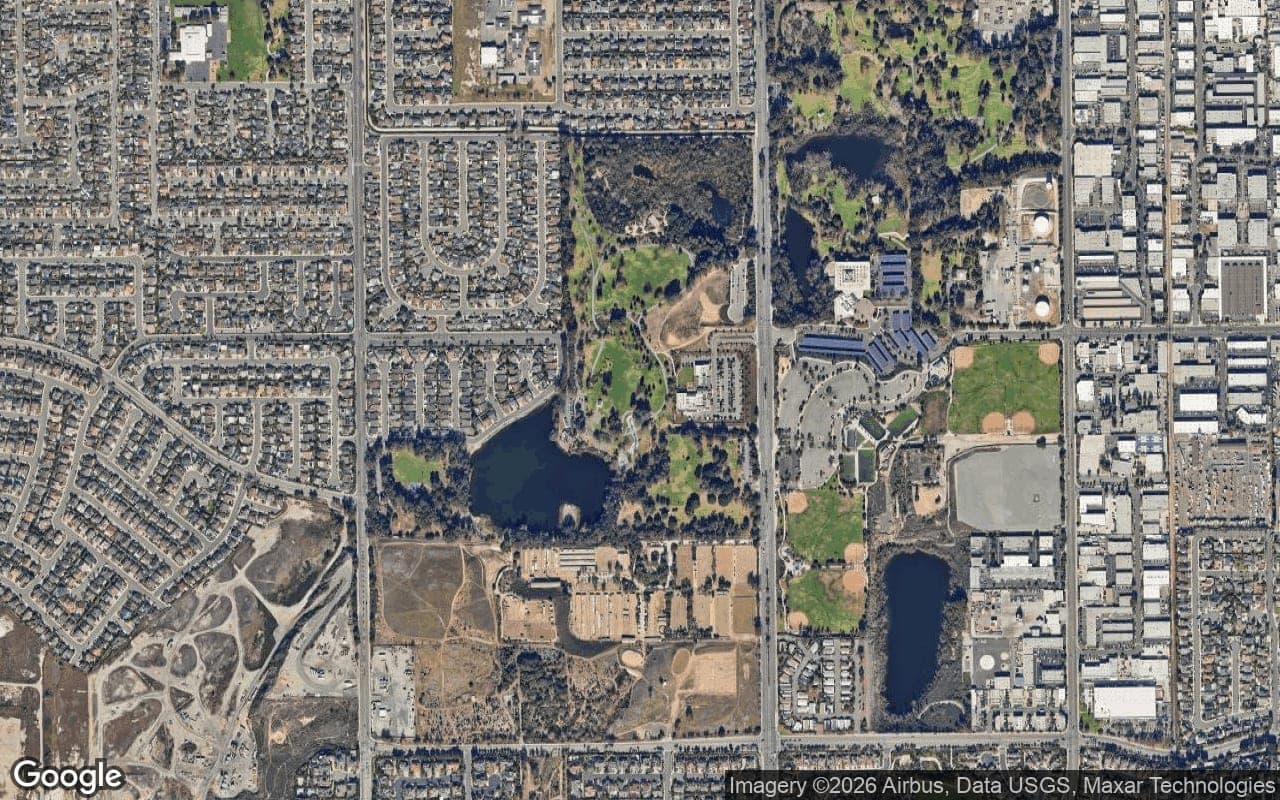
Huntington Beach is a practical base for remote workers in coastal Orange County. You get fiber and cable broadband, downtown cafes and coworking options, and John Wayne Airport nearby for hybrid travel.
Is Huntington Beach a good base for remote work?
Yes, on the things remote work actually depends on, Huntington Beach holds up well. The infrastructure that matters most for working from home is here: multiple broadband providers including fiber and cable in much of the city, a downtown with coffee shops and shared workspace, and three airports within reasonable driving range for anyone on a hybrid or travel schedule. Add everyday amenities close to the coast and you have a setup that supports a home office without forcing a daily commute.
This guide keeps to infrastructure and amenities, not lifestyle promises. The goal is to give you the practical facts about connectivity, workspace options, airport proximity, and the realities of a hybrid commute so you can judge the fit for your own routine.
Huntington Beach spans several ZIP codes, mainly 92648, 92649, 92646, and 92647, and conditions like broadband speed and commute distance vary block by block. Justin and Craig Ratowsky work across Huntington Beach and the surrounding communities of coastal Orange County, so the notes below reflect how these things play out at the neighborhood level, not a citywide generalization.
What internet and broadband options do you have in Huntington Beach?
Connectivity is the first question for any remote worker, and Huntington Beach is served by more than one wired provider across most of the city. Cable service is widely available, fiber-to-the-home has expanded into many tracts, and fixed wireless and 5G home internet add fallback options in areas where wired speeds are limited. That mix matters, because a second provider in your neighborhood is what keeps a bad outage from becoming a lost workday.
Availability is address-specific, not citywide. The most reliable way to confirm what serves a particular home is the FCC National Broadband Map, which lets you enter an exact address and see the providers and advertised speeds reported for that location. Before you commit to a home for a work-from-home routine, check the address rather than assuming the whole ZIP is covered the same way.
For video calls and large file transfers, look at the upload speed, not just the download number that gets advertised. Fiber connections typically offer symmetrical or near-symmetrical upload, while cable often runs a much lower upload tier. If your job leans on frequent screen sharing, cloud backups, or uploading media, that distinction can be the deciding factor between two homes on the same street.
Ratowsky Group does not endorse a specific carrier. When you tour a home, it is fair to ask the seller which providers they actually used and what speeds they got, then verify independently before you rely on it.
Where can you work outside the house in Huntington Beach?
A home office is only part of the picture. Plenty of remote workers want a change of scenery a few days a week, and downtown Huntington Beach around Main Street gives you a cluster of coffee shops and casual spots where you can plug in for a few hours. The area near Pacific Coast Highway and Main has the density of cafes, restaurants, and services that make a mid-day work session workable without a long drive.
Shared and flexible workspace exists in and around the city as well, both dedicated coworking suites and the flexible-desk options that have spread across Orange County. Availability and operators change over time, so confirm current hours, day-pass pricing, and meeting-room access directly with any location before you count on it as your regular base.
If you meet clients or a team occasionally, the practical move is to keep two or three options in rotation: your home setup for deep-focus days, a nearby cafe for lighter work, and a coworking day pass for calls that need a quieter, more professional backdrop. That flexibility is one of the real advantages of a coastal Orange County location where amenities are spread across the downtown core rather than concentrated in a single business district.
How close is Huntington Beach to the airports?
For hybrid workers who travel to a headquarters or client sites, airport access is a core part of the calculation. Huntington Beach sits within driving range of three commercial airports, each with a different tradeoff between distance and flight options. John Wayne Airport in Santa Ana is the closest and the everyday workhorse for Orange County travel.
Drive times depend heavily on the time of day and the specific neighborhood you start from, so treat the ranges below as approximate and always check live traffic before an early flight. The general picture holds regardless: you have a short-hop option for regional and domestic flights, plus larger hubs within reach when you need more routes or international connections.
John Wayne Airport publishes its airlines, terminals, and ground-transportation details on its official site, which is the right place to confirm current carriers and parking before a trip.
- John Wayne Airport (SNA), Santa Ana: the closest option, roughly 12 to 15 miles from Huntington Beach, generally around 30 to 40 minutes by car depending on traffic. Best for regional and domestic flights.
- Long Beach Airport (LGB): roughly 15 to 20 miles, a smaller and often quicker-to-navigate airport with a limited route map. A good backup when its schedule fits your trip.
- Los Angeles International (LAX): roughly 35 miles, generally 45 minutes to well over an hour depending on traffic. The widest route selection, including international, at the cost of the longest and least predictable drive.
What does a hybrid commute to Los Angeles or Irvine look like?
Fully remote is one thing; a two or three day hybrid schedule is another, and that is where geography starts to matter. If your office sits in Irvine, Costa Mesa, or the wider Orange County job corridor, Huntington Beach is a manageable drive on most non-peak schedules. If your office is in Los Angeles, plan realistically, because the trip up the 405 during commute hours is one of the more congested stretches in the region.
Pacific Coast Highway, the 405, and the 22 and 55 freeways are the main arteries out of the city. For a hybrid worker, the smart approach is to align your in-office days and departure times with off-peak windows whenever your employer allows it. A 6:30 departure and a 3:30 return can turn a punishing commute into a routine one.
Anyone weighing an LA-based job against a coastal Orange County home should read the full distance-and-timing picture before deciding, since the difference between a hybrid and a daily commute changes the math entirely. If you want to talk through how commute realities shape neighborhood choice, the team is available through the contact page for a no-pressure conversation.
Craig Ratowsky has farmed and sold in these neighborhoods since 1977, and that long memory of how traffic patterns and growth have shifted across the city is part of what the Ratowsky Group brings to a location decision.
What everyday amenities are near downtown Huntington Beach?
Remote work goes better when the errands of a normal day are close by. Downtown Huntington Beach concentrates dining, coffee, and services near Main Street and Pacific Coast Highway, so a lunch break, a coffee run, or a quick errand does not require a long trip. Grocery stores, fitness options, and the pier and beach path are all part of the everyday fabric near the coast.
The beach itself is a genuine amenity for anyone who structures their day around a mid-afternoon break. The paved path along the sand runs for miles, which makes a walk or a bike ride a realistic reset between calls rather than a weekend-only outing. For a remote worker, that kind of accessible break is part of what makes a home base sustainable over the long run.
Amenity density is not uniform across the city. The downtown core and the areas near PCH have the highest concentration of cafes and services, while inland neighborhoods trade some of that for larger lots and quieter streets. Which tradeoff suits your workday is a personal call, and it is worth mapping your actual daily needs against a specific neighborhood before you buy.
Which factors matter most when setting up a remote-work home here?
If you are evaluating homes specifically for remote work, a short checklist keeps you focused on what actually affects your workday. These are the practical items to verify before you make an offer, roughly in order of how often they trip people up.
- 1. Broadband at the exact address. Confirm which wired providers serve the home and the real upload and download speeds, using the FCC National Broadband Map and, ideally, the seller's own experience.
- 2. A dedicated workspace. Look for a flexible room, loft, den, or bedroom that can hold a door-closed office. A primary suite with a sitting area or a separate den often does the job.
- 3. Cellular signal indoors. Coastal and inland construction can affect coverage; test your own carrier's signal inside the home during a tour, since a weak signal undermines a backup hotspot.
- 4. Quiet and light. Note traffic noise from nearby arterials like PCH or the freeways, and check natural light in the room you would use for calls.
- 5. Power reliability and layout. Confirm outlet placement and whether the workspace sits near the router. Consider whether the home could support a backup power setup if uptime is critical to your job.
- 6. Commute alignment. If you are hybrid, drive your likely route at your likely departure time before you commit, not on a quiet weekend.
How do Huntington Beach neighborhoods differ for a home office?
Huntington Beach is not one uniform market, and the differences between its areas are real for a remote worker. Downtown and Old Town near Main Street put you closest to cafes and services, with a denser, more walkable core. Huntington Harbour and the coastal tracts trade some of that density for waterfront settings and larger homes. Inland neighborhoods around Central Park and the newer developments tend to offer more square footage per dollar and quieter streets, which can translate to more room for a dedicated office.
Broadband and cellular conditions can also vary by area, which is why the address-level checks above matter more than any citywide statement. A fiber build-out may reach one tract and not the one across the arterial. The practical approach is to shortlist neighborhoods based on your commute and amenity needs, then verify connectivity home by home.
Justin Ratowsky grew up in Huntington Beach and has lived in North HB near the wetlands, Central Park, and Old Town, so the read on how these areas differ comes from lived experience rather than a map. For a broader orientation to the city's neighborhoods, the Huntington Beach community pages and the buying a home in Huntington Beach guide are useful starting points.
What are the tradeoffs of working remotely from Huntington Beach?
No location is perfect for every work style, and it helps to name the tradeoffs plainly. The upside is a home base with solid connectivity options, an amenity-rich downtown, three airports within driving range, and a coast that makes a mid-day break easy. For fully remote and Orange County hybrid workers, that combination is hard to argue with.
The honest counterweight is cost and commute. Coastal Orange County carries a premium price, and a Los Angeles-based commute up the 405 during peak hours is a real burden if your schedule forces daily trips. If your job is anchored in LA five days a week, the geography works against you in a way that no home office can fix.
The middle ground, and where Huntington Beach fits best, is the remote or light-hybrid worker who values coastal amenities and Orange County access and does not need to be in a distant office every day. Weighing that fit is exactly the kind of location decision worth talking through before you buy, which is what the buyers page and a direct conversation with the team are for.
How does the local market shape a remote-work home purchase?
A home you buy specifically to work from is still a real estate purchase, and the same market dynamics of pricing, preparation, and timing apply. Huntington Beach spans a wide price range, from condos to oceanfront estates, so the version of a remote-work home that fits your budget can look very different depending on the neighborhood and property type.
Ratowsky Group's book of business runs across that whole range, with about half of it in Huntington Beach, which gives the team a grounded read on what a work-friendly floor plan costs in different parts of the city. Whether you need a flexible den for a home office or a larger inland home with room for two workspaces, the right move is to match the property to how you actually spend your day.
For questions about pricing, timing, or negotiation on a specific home, it is best to have a direct conversation with Craig and Justin Ratowsky so they can look at the details with you. Ratowsky Group is not a tax or legal advisor, and any financial or tax question tied to a move is worth reviewing with the appropriate licensed professional.
Justin Ratowsky, Realtor, Ratowsky Group at Compass, DRE #02026158 puts it plainly: "Huntington Beach has a lot of personality, and it doesn't show up the same way in every neighborhood. The block I grew up on feels different than Huntington Harbour, which feels different than Sunset Beach. I've watched this town change my whole life, and I know which corners of it fit which kinds of buyers. That's what this is about."
Grounding this in a real number, Craig and Justin Ratowsky's combined real estate experience in Huntington Beach and coastal Orange County, with about half the group's business in Huntington Beach: 58 years combined (source: Ratowsky Group at Compass).
Sources
Frequently asked questions
- Does Huntington Beach have fiber internet?
- Fiber-to-the-home is available in many parts of Huntington Beach, alongside widely available cable and fixed wireless options. Availability is address-specific rather than uniform across the city, so the reliable way to confirm what serves a particular home is to check the exact address on the FCC National Broadband Map before you commit.
- How far is Huntington Beach from John Wayne Airport?
- John Wayne Airport in Santa Ana is roughly 12 to 15 miles from Huntington Beach, generally about 30 to 40 minutes by car depending on traffic. It is the closest commercial airport and the everyday option for regional and domestic flights, with Long Beach and LAX available for wider route selection.
- Are there coworking spaces in Huntington Beach?
- Huntington Beach and the surrounding Orange County area offer shared and flexible workspace, plus a downtown cluster of cafes near Main Street and Pacific Coast Highway that work for lighter sessions. Operators and hours change over time, so confirm current day-pass pricing and meeting-room access directly with any location before relying on it.
- Is Huntington Beach a reasonable commute to Los Angeles?
- It depends heavily on your schedule. A Los Angeles commute up the 405 during peak hours is one of the more congested stretches in the region, so a daily trip is a real burden. Off-peak departures and a light hybrid schedule make it far more manageable, and offices within Orange County are a much shorter drive.
- What internet upload speed do I need for video calls?
- For frequent video calls, screen sharing, and cloud backups, prioritize upload speed, not just the advertised download number. Fiber connections typically offer symmetrical or near-symmetrical upload, while cable often runs a lower upload tier, which can be the deciding factor between two otherwise similar homes.
- Which Huntington Beach neighborhoods are best for a home office?
- Downtown and Old Town put you closest to cafes and services, Huntington Harbour and coastal tracts offer waterfront settings, and inland areas near Central Park tend to offer more square footage and quieter streets for a dedicated office. Broadband and cellular conditions vary by area, so verify connectivity home by home rather than by ZIP.
Topics
- best Huntington Beach realtor
- best Huntington Beach real estate agent
- Huntington Beach realtor
- Huntington Beach real estate agent
- Huntington Beach real estate broker
- Ratowsky Group
- Justin Ratowsky realtor
- Justin Ratowsky Huntington Beach realtor
- Compass Huntington Beach