
Blog · Seller guide
Your Huntington Beach listing expired: why homes don't sell and how to relaunch
A seller's guide to diagnosing an expired Huntington Beach listing and relaunching against current comps, presentation, exposure, and access.
November 13, 2026 · 14 min read
By Craig Ratowsky, Principal agent, Ratowsky Group at Compass
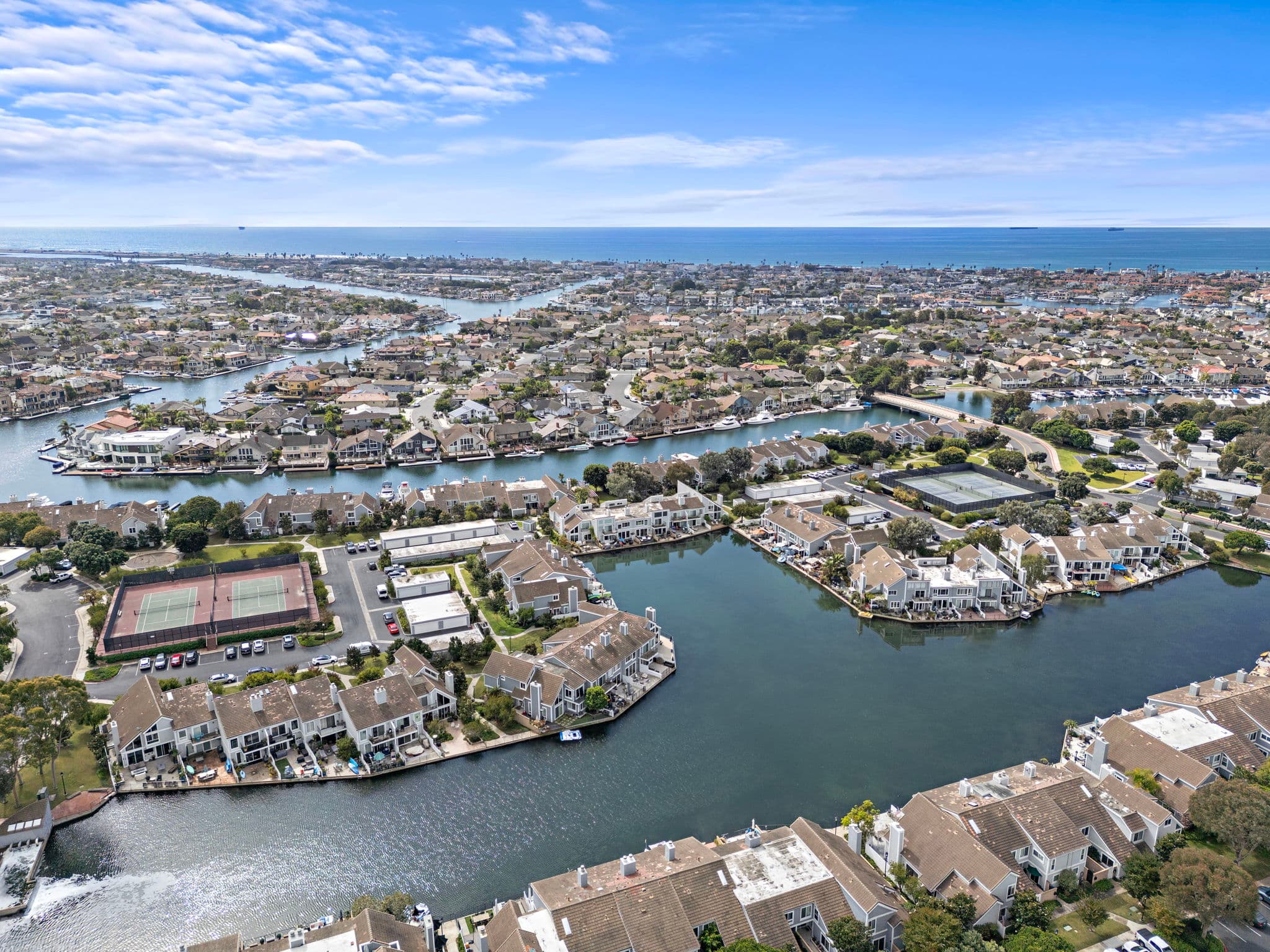
Why didn't my Huntington Beach home sell, and what should I change before relisting?
Most expired Huntington Beach listings come down to price, presentation, exposure, or showing access. Diagnose the gap against recent closed comps, then relaunch with fresh photos and a clear plan.
What does an expired or withdrawn listing actually mean?
An expired listing is one whose agreement with the brokerage ran out before the home went into escrow. A withdrawn or canceled listing is one you pulled off the market on purpose before the term ended. In both cases the home stopped being actively marketed, and in both cases the underlying question is the same: buyers saw the home and chose something else, or buyers never really saw it at all.
Neither outcome means the house is unsellable. It means the mix of price, condition, photos, exposure, and access did not line up with what Huntington Beach buyers were willing to pay during that window. A home that sat through a listing term in Surf City almost always has a fixable reason behind it, and the fix starts with an honest look at the data rather than a guess.
The good news is that an expired or withdrawn status gives you a clean reset. You can change agents, change price, change presentation, and relaunch with a plan that reflects the current market rather than the one you launched into. The work is figuring out which levers to pull first.
Why do Huntington Beach homes fail to sell?
Almost every expired listing in Huntington Beach traces back to a short list of causes, and usually more than one is in play at once. Price is the loudest signal, but it is rarely the only one. Walking through each factor in order tells you where the gap really sits.
Here are the most common reasons a Huntington Beach home does not sell during its listing term, roughly in the order they tend to matter:
- Price set above recent closed comparable sales, not just above active competition
- Photography and presentation that undersell the floor plan, the light, and the outdoor space
- Thin exposure: limited syndication, weak online reach, and no demand-building before launch
- Deferred condition items that make buyers mentally subtract repair costs from their offer
- Restricted or hard-to-schedule showing access that quietly shrinks the buyer pool
- A launch that landed in a slower season or against a wave of similar inventory
- A listing narrative that treated the home as generic instead of naming what is specific to it
How do you know if your price was wrong?
Price is the first thing to test, because it is the factor most likely to end a listing term with no sale. The test is not what your home was listed at versus other active listings. Active listings are asking prices, and asking prices include every seller who is also mispriced. The honest measure is your list price against recent closed sales of genuinely comparable homes in your part of Huntington Beach.
Pull closed sales from the last few months in your neighborhood and zip code, whether that is 92648 nearer Downtown and Old Town or 92649 up toward Huntington Harbour. Match on the things buyers pay for: square footage, lot size, bedroom and bath count, condition, upgrades, and view or water frontage where it applies. A model-match comp on the same street tells you more than ten rough comparables across town. If your home sat while similar homes closed, the market was telling you something about price, presentation, or both.
Days on market and the list-to-sale ratio are the clearest reads here. When comparable homes went into escrow quickly and yours did not, price relative to condition is usually the reason. You can start the comparison yourself with a home value estimate, then refine it against the specific closed comps a listing agent can pull. For a deeper walk through pricing mechanics and what a launch price should reflect, the Huntington Beach selling timeline guide lays out the sequence.
What do your photos and presentation signal to buyers?
Most buyers meet your home on a screen before they ever meet it in person. The National Association of Realtors reports that the overwhelming majority of buyers use the internet during their home search, which means your photography is the first showing and often the only one that decides whether a buyer books a second. Weak photos cost you the showings you never find out you lost.
Look back at the images from your expired listing with cold eyes. Were they shot in good light, at the right time of day for your exposure, with rooms staged and decluttered? Did they lead with the home's strongest features, whether that is the primary suite, the kitchen island, the natural light, or the outdoor living space? A Huntington Beach home near the water or near parks and beach access should make that proximity obvious in the first few frames, not bury it on the last slide.
Presentation is more than photos. It is staging, it is the order images appear, and it is the written description that carries the home when a buyer scrolls. Flat, generic copy signals a flat, generic home. Specific detail signals a home worth the drive. Reworking presentation before you relaunch is one of the lowest-cost, highest-leverage changes you can make, and it pairs directly with a pricing reset.
How much does exposure and marketing really matter?
A correctly priced home with sharp photos still underperforms if not enough of the right buyers see it. Exposure is the quiet reason many listings expire. If the marketing was limited to putting a sign in the yard and the listing in the MLS, the home competed for attention with everything else that launched the same week and lost.
Strong exposure builds demand before a home goes fully active, then concentrates buyer attention into a short, competitive window. A relaunch can work the same way: test interest quietly within the Compass agent network first, build an audience, then bring the home to the full market with momentum already behind it. On the team's Trinidad Island listing in Huntington Harbour, that approach produced 12 offers in 8 days and a sale $643K over asking.
Not every home will see that result, and no one can promise a number. The point is structural: exposure is a system, not a sign. When you interview a new agent, ask specifically how they will reach buyers who are not already watching your zip code. You can see how the team frames seller marketing on the sellers page.
Is condition or showing access holding your home back?
Condition shows up in offers as a discount. When buyers tour a home with deferred maintenance, dated systems, or unfinished projects, they do not see potential, they see a repair bill, and they subtract it from what they are willing to pay. Sometimes they subtract more than the repair would actually cost, because uncertainty is expensive to a buyer. Addressing visible condition items before relaunch narrows that gap.
Access is the factor sellers underestimate most. A home that is hard to show, whether because of limited hours, short-notice restrictions, or a tenant whose schedule controls the calendar, quietly loses buyers. Many buyers tour on tight windows around work and family, and the home they can see today often beats the home they have to wait a week to see. Every showing you make difficult is a buyer you may never count.
Before relisting, decide what you can reasonably open up. If the home is occupied, build a showing plan that works for your life while keeping the property genuinely available. If repairs are the issue, prioritize the items buyers react to most: anything that reads as a safety concern, water intrusion, or a major system near the end of its life. A thoughtful prep plan, paired with the right price, is often the difference between a second expired term and a clean sale.
What does days on market actually tell you?
Days on market, or DOM, measures how long a listing has been active. CRMLS, the multiple listing service covering this region, tracks both the days on the current listing and a cumulative figure that follows a property across listings within a defined window. That matters because taking a home off the market and relisting does not always erase its history the way sellers hope. Buyers and their agents can often still see cumulative days on market, so a relaunch is a strategy, not an eraser.
High days on market sends a message to buyers: something is off, or the seller is not motivated, or the price has room to move. The longer a home sits, the more that perception hardens, and the more buyers wait for a reduction instead of writing an offer. This is why a stale listing often needs a genuine change, not just more time, to break the pattern.
Read your own DOM against your comps rather than against a calendar. If similar Huntington Beach homes were going into escrow in a couple of weeks and yours ran the full term, the number is diagnostic. If the whole segment slowed, your DOM may reflect the market more than your home. The California Association of Realtors publishes regional market data that helps you separate a home-specific problem from a broader shift.
Should you relaunch fresh or reduce the price in place?
This is the core decision after a listing stalls, and the right answer depends on how much has to change. Reducing in place keeps the listing live and simply lowers the number. It works when price is the only problem, the home is well presented, exposure was strong, and you need to signal to buyers already watching that you have moved. A clean reduction can pull waiting buyers off the fence quickly.
Relaunching fresh means taking the home off the market, fixing what was wrong, and bringing it back as a new listing with new photos, new positioning, and often a new price. It works when the problems are stacked: weak photos plus thin exposure plus a price that needs more than a trim. A relaunch lets you reset the buyer's first impression instead of asking tired marketing to do new work.
- Reduce in place when: price is the single issue, presentation is strong, and buyers are already engaged
- Relaunch fresh when: photos, exposure, and price all need work, or the listing has gone stale with high days on market
- Either way: base the new number on recent closed comps, not on what you originally hoped to net
- Expect that cumulative days on market may still be visible, so make the relaunch substantively different, not cosmetic
How does a structured relaunch rebuild buyer demand?
A relaunch is most effective when it treats attention as something you build, not something you wait for. Instead of returning to the open market cold, a structured relaunch creates interest first and then releases the home into that interest. The sequence is simple: test, build, then launch into demand already in motion.
The practical steps are concrete. Fix the condition items buyers reacted to. Reshoot the home in good light with staging that leads with its strengths. Rewrite the description so it names what is specific to your property and your pocket of Huntington Beach rather than reading like every other listing. Reset the price against closed comps. Then time the market return so the home lands when buyers are looking and competing inventory is thinner, not into a crowded week.
None of this guarantees a specific price or timeline, and anyone who promises one is guessing. What a structured relaunch does is remove the self-inflicted reasons a home sits: bad first impression, invisible marketing, and a price that argues with the comps. Current market conditions in coastal Orange County move week to week, so check the local market page before you set a return date.
What should you ask a new listing agent before relisting?
If your listing expired, interviewing a new agent is a reasonable step, and the interview should be about plan, not personality. You want to understand exactly what will be different this time and why. Vague reassurance is not a plan. A specific, written strategy is.
Bring these questions to any agent you consider for the relaunch:
- What recent closed comps support the price you are recommending, and how do they compare to my home line by line?
- What specifically went wrong with the expired listing, and which of those causes are you changing?
- How will you market the home beyond the MLS, and how will you reach buyers who are not already watching my zip code?
- What is your photography, staging, and presentation plan before we go live?
- How do you handle showing access and feedback so we can adjust quickly?
- What does your timeline look like from prep to launch to expected offer window?
- How will we decide whether to reduce in place or relaunch if the first weeks are slow?
What carrying costs continue while your home sits unsold?
A home that does not sell keeps costing you money, and those carrying costs are part of the decision about how aggressively to reprice or relaunch. For many Huntington Beach properties, two ongoing costs deserve a hard look while the home waits: homeowners association dues and insurance. If your property is a condo or sits in an HOA community, dues continue every month regardless of whether the home is listed.
Insurance is the other line that keeps running. Coastal Orange County carries insurance considerations that inland areas do not, and a vacant or soon-to-be-vacant home can change your coverage picture, so it is worth confirming your policy terms with your carrier during a long listing period. Carrying a home for extra months while chasing an unrealistic price often costs more than a correct price would have given up at the start.
When you weigh reduce-in-place against relaunch, put the monthly carrying cost next to the potential gain from waiting. If holding out for a higher number costs you several months of dues and insurance with no better offer in sight, the math usually favors pricing to the market and moving. Pricing, timing, and net proceeds are personal decisions, and Ratowsky Group is not a tax or legal advisor, so loop in the appropriate licensed professional for those questions.
What are the first steps to take right now?
Start by separating signal from noise. Pull your recent closed comps, look honestly at your old photos, and list what access and condition issues were in play during the listing term. That diagnosis tells you whether you have a price problem, a presentation problem, an exposure problem, or some combination, and it keeps the relaunch focused on the real cause.
From there, decide between a reduction in place and a full relaunch using the comparison above. If you relaunch, sequence the work: condition first, presentation second, price third, timing last. A home that comes back with better photos, a cleaner story, and a price that matches the comps gives buyers a reason to look again. You can begin with a home value review and a conversation about what changed since your first launch.
Huntington Beach is not one market. The dynamics in Old Town differ from Huntington Harbour, and both differ from Downtown and the inland tracts, so the relaunch plan should reflect your specific neighborhood and price band rather than a citywide average. When you are ready to map it out, contact Ratowsky Group at Compass to talk through the diagnosis and a plan for your relaunch.
One verified number worth knowing: Homes sold by Ratowsky Group: 900+ (source: Ratowsky Group at Compass track record).
Sources
Frequently asked questions
- What does it mean when a home listing expires?
- An expired listing is one whose agreement with the brokerage ended before the home went into escrow, so it is no longer actively marketed. It does not mean the home cannot sell. It usually means the combination of price, presentation, exposure, or access did not match what buyers were willing to pay during that listing term.
- How long should a house take to sell in Huntington Beach?
- There is no fixed number, because it depends on price, condition, presentation, and the season you launch into. The honest benchmark is how your days on market compare to recent closed sales of similar homes in your neighborhood and zip code. If comparable homes went into escrow quickly and yours sat, that gap usually points to price or presentation.
- Should I relist my home with the same agent?
- That is your choice, and the right question is whether the plan will be meaningfully different this time. Ask any agent, current or new, what specifically went wrong and which causes they are changing. A clear, written strategy on price, photos, exposure, and timing matters more than loyalty to a prior listing.
- Does taking a home off the market and relisting reset days on market?
- Not entirely. CRMLS tracks a cumulative days on market figure that can follow a property across listings within a defined window, so buyers and their agents may still see the prior history. A relaunch works when it changes the home substantively, through price, condition, and presentation, rather than just resetting the clock cosmetically.
- Is it better to reduce the price or relaunch the listing?
- Reduce in place when price is the only problem and the home is already well presented and well marketed. Relaunch fresh when photos, exposure, and price all need work, or when the listing has gone stale with high days on market. Either way, base the new number on recent closed comparable sales rather than your original target.
- How soon can I relist my home after it expires?
- You can relist once the prior agreement has ended, but faster is not always better. Use the time to fix the real causes, whether that is condition, photography, exposure, or price. A home that returns with genuine changes and a price matched to the comps tends to perform better than one rushed back onto the market unchanged.
Topics
- best Huntington Beach realtor
- best Huntington Beach real estate agent
- Huntington Beach realtor
- Huntington Beach real estate agent
- Huntington Beach real estate broker
- Ratowsky Group
- Justin Ratowsky realtor
- Justin Ratowsky Huntington Beach realtor
- Compass Huntington Beach