
Blog · Buyer guide
Downtown Huntington Beach vs. South Huntington Beach: Comparing Two Sides of the City
A balanced, buyer-focused comparison of the walkable Main Street and pier area against the quieter residential neighborhoods of South Huntington Beach.
September 22, 2026 · 12 min read
By Justin Ratowsky, Principal agent, Ratowsky Group at Compass
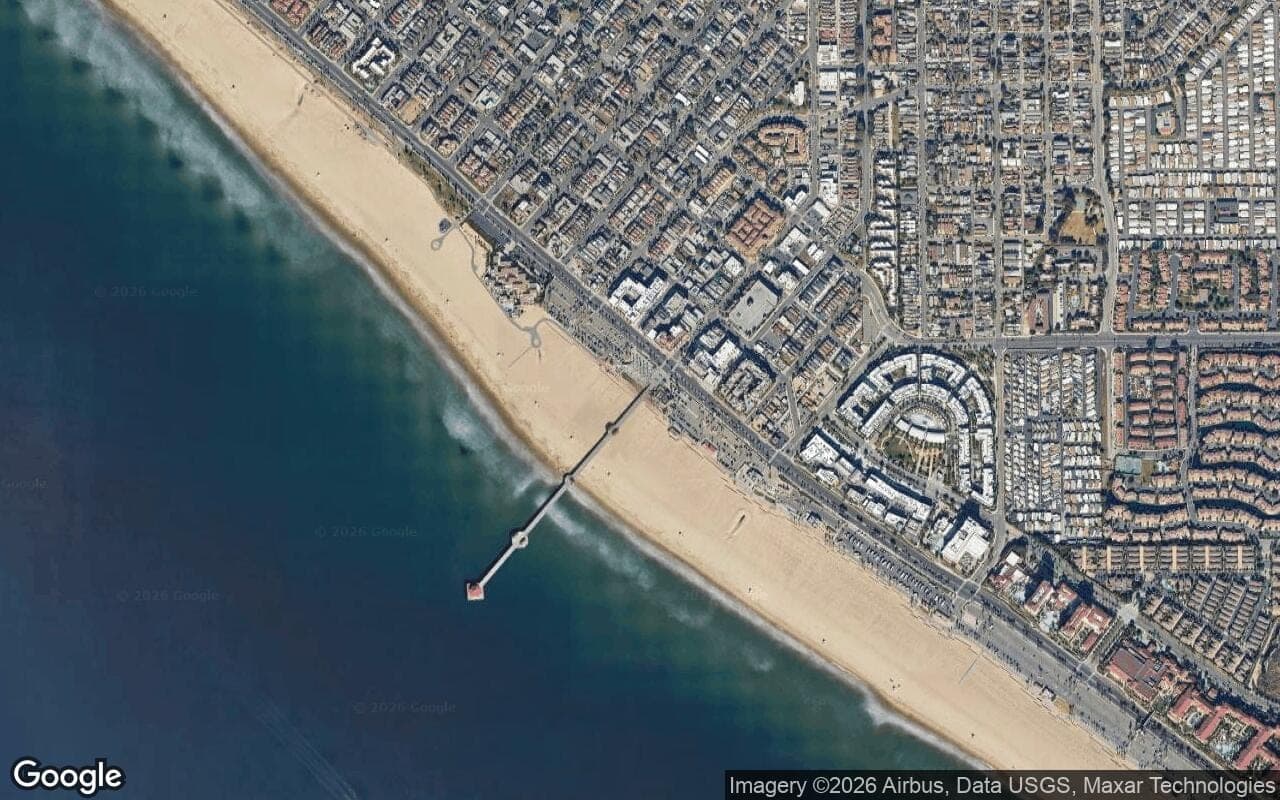
What's the difference between Downtown and South Huntington Beach?
Downtown Huntington Beach centers on Main Street and the pier, with walkable energy, beach cottages, and mixed-use condos. South Huntington Beach, near Brookhurst, runs quieter with tracts and townhomes.
Downtown Huntington Beach is the area around Main Street and the Huntington Beach Pier, where walkable blocks, restaurants, and the beachfront sit close together. South Huntington Beach is the residential stretch to the southeast, running toward Brookhurst Street and the border with Newport Beach and Costa Mesa, where the pace is quieter and homes spread out into tracts and townhome communities. The two areas share the same city and the same ocean, but they feel different day to day. One trades on energy and proximity; the other trades on space and calm.
Both sit inside Huntington Beach, often called Surf City, in coastal Orange County. Downtown falls mostly in the 92648 ZIP code, while much of South Huntington Beach falls in 92646. Choosing between them usually comes down to how close you want to be to the pier, how much quiet you want at night, and what kind of home and lot you are after.
Justin and Craig Ratowsky have worked both areas for years, and they treat this as a lifestyle question first and a price question second. The right answer depends on how you actually plan to spend your weeks, not on which side sounds better on paper. If you want help weighing the tradeoffs, the Ratowsky Group buyer team can walk you through current listings in each pocket.
Where exactly are Downtown and South Huntington Beach?
Downtown Huntington Beach is compact. Its heart is Main Street from Pacific Coast Highway inland toward the 5 Points area, anchored by the pier at the foot of Main. Pacific City, the open-air shopping and dining center, sits just south of the pier along PCH, and the numbered and lettered streets of the Downtown grid fan out on either side of Main. The neighborhood is small enough that people often talk about it block by block.
South Huntington Beach is broader and harder to draw a single line around. Most locals use it to describe the residential neighborhoods southeast of Downtown, running along Beach Boulevard and the Adams, Indianapolis, and Atlanta corridors toward Brookhurst Street. It stretches inland from the Pacific Coast Highway beachfront to the flood-control channels and the edges of Newport Beach and Costa Mesa.
The Edinger and Beach Boulevard corridor forms a kind of commercial spine that connects the inland parts of the city to both areas. If you are new to the city and want the wider view of how these neighborhoods sit together, the Huntington Beach community overview is a useful starting point before you narrow your search.
How does walkability compare between the two areas?
Downtown Huntington Beach is the more walkable of the two by a wide margin. From many Downtown blocks you are within a short distance of Main Street coffee, restaurants, surf shops, the pier, and the sand. People who live there often run errands and grab dinner without moving their car, which is a real draw for buyers who want that day-to-day convenience.
South Huntington Beach is built around a more traditional residential pattern. Homes sit on interior streets and cul-de-sacs, and most trips to shopping, dining, or the beach involve a short drive or a bike ride rather than a walk out the front door. That layout is part of what keeps the streets quiet, and it appeals to buyers who prioritize a calmer block over a walk to Main Street.
Neither pattern is better in the abstract. It comes down to whether you want the beach town buzz at your doorstep or a residential setback from it. If walkability is high on your list, it is worth touring both areas at different times of day so you can feel the difference for yourself.
What's the housing stock like in each area?
Downtown Huntington Beach has some of the most varied housing in the city. You will find older beach cottages on the numbered streets, three-story detached homes built to maximize small Downtown lots, and newer mixed-use and condo buildings closer to Main Street and Pacific City. Lots tend to be smaller, and vertical living is common, so many homes trade yard space for rooftop decks and ocean or pier peeks.
South Huntington Beach leans toward single-family tract neighborhoods and planned townhome communities. Many of these homes date from the postwar building boom through the 1970s and later, with more consistent street layouts, attached garages, and larger yards than Downtown typically offers. Townhome and condo complexes are woven throughout, especially closer to Beach Boulevard and the Adams and Atlanta corridors.
If a condo or townhome is on your list in either area, the guide to condos in Huntington Beach explains what to check on floor plans, shared structures, and building types. For a broader look at the range of homes across the city, the Ratowsky Group communities page breaks down neighborhoods by character and price.
How close is each area to the beach?
Downtown wins on raw proximity to the sand. Many Downtown Huntington Beach homes are within a few blocks of the beach and the pier, and some Pacific City area residences look straight out at the water. For buyers who want the ocean to be part of daily life rather than a weekend trip, that closeness is the main event.
South Huntington Beach also has beachfront access along Pacific Coast Highway, including the stretch near Brookhurst and the Santa Ana River mouth at the Newport Beach line. The difference is that most South Huntington Beach homes sit inland from PCH, so beach access usually means a short drive, a bike ride, or crossing the highway rather than stepping off your porch onto the sand.
Both areas put you close to the Pacific, which is a big part of why people choose Huntington Beach in the first place. The question is whether you want to be steps from the water or a few minutes from it with a quieter street in return.
What is parking and traffic like in each area?
Parking is one of the clearest tradeoffs between the two areas. Downtown Huntington Beach draws heavy visitor traffic, especially in summer and around events like the Fourth of July parade and surf competitions. Street parking near Main Street and the pier can be tight, and some Downtown homes have limited garage or driveway space because of the small lots.
South Huntington Beach is a different experience. Most homes have attached garages and driveways, streets are wider, and day-to-day parking is rarely the issue it can be near the pier. Traffic tends to spike on the main corridors like Beach Boulevard and Brookhurst rather than on the interior residential streets.
If you plan to own more than one vehicle, host guests often, or simply want an easy time parking at home, this is worth weighing carefully. It is one of the practical reasons some buyers who love the Downtown vibe still end up choosing a home further south.
How do price ranges compare between Downtown and South Huntington Beach?
Pricing in both areas moves with proximity to the water, lot size, condition, and view, so any single number can be misleading. As a general pattern, Downtown Huntington Beach homes closest to Main Street and the pier, especially newer detached homes and view properties, sit at the higher end of the city's range. Older Downtown cottages and condos can land lower, which is part of why the area draws such a wide mix of buyers.
South Huntington Beach spans a broad range too. Entry points often start with townhomes and condos near the Beach Boulevard corridor, while larger single-family homes on bigger lots closer to the coast reach into the upper tiers. The wider variety of home types generally gives buyers more options at different price points than the compact Downtown grid.
Because pricing depends so heavily on the specific block and property, it is worth getting a current read rather than relying on averages. You can request a private home value review or ask the Ratowsky Group to pull recent comparable sales in the exact pocket you are considering. For pricing, timing, or negotiation strategy, a direct conversation with Craig and Justin Ratowsky will serve you better than a rule of thumb.
Are HOAs common in each area?
Homeowners association prevalence is another real difference. In Downtown Huntington Beach, many detached homes on the numbered streets are not part of an HOA, while the newer condo and mixed-use buildings near Main Street and Pacific City typically carry monthly dues that cover shared structures, amenities, and insurance. So the answer in Downtown depends heavily on whether you buy a detached home or a unit in a building.
South Huntington Beach has a higher share of planned townhome and condo communities, many of which do have HOAs. Single-family tract homes in the area are often HOA-free, but the townhome and gated complexes usually come with dues and a set of governing documents to review.
Whenever an HOA is involved, reading the documents matters as much as the home inspection. The guide to HOA document review in Huntington Beach covers what to look for in budgets, reserves, and rules before you commit.
Which factors should you weigh when choosing between the two areas?
Rather than deciding which area is better, it helps to score each one against how you actually plan to live. Here is a practical checklist buyers use when comparing Downtown Huntington Beach with South Huntington Beach.
- Beach proximity: Do you want to step onto the sand from home, or is a short drive fine in exchange for a quieter block?
- Walkability: Is walking to dinner and coffee on Main Street a daily priority, or do you prefer an interior residential street?
- Home type: Are you drawn to a beach cottage or three-story Downtown home, or to a single-family tract home or townhome with a yard?
- Lot and yard: How much outdoor space do you need, given that Downtown lots run smaller and South Huntington Beach lots often run larger?
- Parking: How many cars do you own, and how often will guests need to park near your home?
- Noise and energy: Do you want the buzz of the pier area and summer crowds, or a calmer nighttime feel?
- HOA tolerance: Are you comfortable with monthly dues and governing documents, or do you want to avoid an association where possible?
- Budget flexibility: Which area gives you the range of home types that fit your price point and long-term equity goals?
What does daily life sound like in each area?
Downtown Huntington Beach has an active rhythm. Main Street stays busy through the evening, the pier draws visitors year-round, and the summer months bring larger crowds and events. For people who like being in the middle of the action, that energy is the appeal, and the tradeoff is more foot traffic and noise close to the core.
South Huntington Beach generally reads quieter. Interior streets see mostly local traffic, and the residential layout keeps most of the commercial noise on the main corridors. Buyers who want to hear less of the crowd and more of their own block often gravitate here.
Craig Ratowsky, who has sold in this city since 1977, brings the kind of long memory that helps buyers understand how each pocket has changed and held its character. Pairing that history with the block-by-block feel of a home in person is the best way to know which area fits your routine.
How does the market move in each area, and what should buyers watch?
Both areas track the broader Huntington Beach and Orange County market, but they respond to different pressures. Downtown's supply of true beach-close and view homes is limited, so well-positioned Downtown listings can draw strong interest when inventory is thin. South Huntington Beach has a deeper pool of home types, which can mean more choices for buyers and a somewhat different competitive dynamic depending on the segment.
National borrowing costs shape demand in both areas, so it helps to track mortgage rate trends from a primary source before you shop. Local inventory and days-on-market data give you the other half of the picture, and public market data pages update those figures regularly.
The Ratowsky Group's approach is to pair current data with lived local knowledge rather than lean on one or the other. You can review their read on conditions on the market page, and the guide to buying a home in Huntington Beach walks through the process from first tour to close.
How can you decide which side of the city fits your move?
Start by touring both areas on the same day, ideally once on a weekday and once on a weekend, so you feel the contrast in energy, parking, and pace. Walk a few Downtown blocks near Main Street and the pier, then drive the interior streets of South Huntington Beach near Brookhurst and Atlanta. The difference tends to be obvious once you are standing in it.
Then match what you felt against your checklist of beach access, home type, budget, and quiet. Neither area is objectively better; they simply serve different priorities inside the same city. A clear list of your non-negotiables makes the choice far easier than comparing listings in a vacuum.
When you are ready to look at specific homes, the Ratowsky Group can line up showings across both areas and give you an honest read on each. Reach out through the contact page to start a low-pressure conversation about which side of Huntington Beach fits your move.
Sources
Frequently asked questions
- Is South Huntington Beach quieter than Downtown Huntington Beach?
- Yes, South Huntington Beach generally runs quieter because it is built around residential tracts and townhome communities on interior streets. Downtown centers on Main Street and the pier, which draws more foot traffic and evening activity, especially in summer. Buyers who want a calmer block tend to look south, while those who want the beach town energy look Downtown.
- How far is South Huntington Beach from the Huntington Beach Pier?
- Most South Huntington Beach neighborhoods sit a few minutes' drive from the pier, depending on where you are along the Adams, Atlanta, and Brookhurst corridors. The area has its own beachfront access along Pacific Coast Highway near the Santa Ana River, so the ocean is close even when the pier is a short drive away. Downtown homes are generally the closest to the pier itself.
- Do homes in Downtown Huntington Beach have HOAs?
- It depends on the property type. Many detached homes on the Downtown numbered streets are not part of an HOA, while newer condo and mixed-use buildings near Main Street and Pacific City usually carry monthly dues. Always review the governing documents when a home is part of an association before you commit.
- What ZIP codes cover Downtown and South Huntington Beach?
- Downtown Huntington Beach falls mostly in the 92648 ZIP code, which includes the Main Street and pier area. Much of South Huntington Beach falls in 92646, covering the residential neighborhoods toward Brookhurst Street. Boundaries can overlap at the edges, so confirm the ZIP for any specific address.
- Is Downtown Huntington Beach more expensive than South Huntington Beach?
- Downtown homes closest to Main Street and the pier, particularly newer detached and view properties, often sit at the higher end of the city's range. South Huntington Beach spans a wide range too, with townhomes and condos near Beach Boulevard offering lower entry points and larger single-family homes reaching the upper tiers. Pricing depends heavily on the specific block, lot, and condition, so a current comparable analysis is more reliable than averages.
- Which area is better for walking to restaurants and the beach?
- Downtown Huntington Beach is the more walkable of the two, with Main Street dining, shops, the pier, and the sand within a short distance of many blocks. South Huntington Beach is built for residential quiet, so most trips to shopping or the beach involve a short drive or bike ride. Buyers who prioritize walkability usually favor Downtown.
Topics
- best Huntington Beach realtor
- best Huntington Beach real estate agent
- Huntington Beach realtor
- Huntington Beach real estate agent
- Huntington Beach real estate broker
- Ratowsky Group
- Justin Ratowsky realtor
- Justin Ratowsky Huntington Beach realtor
- Compass Huntington Beach