
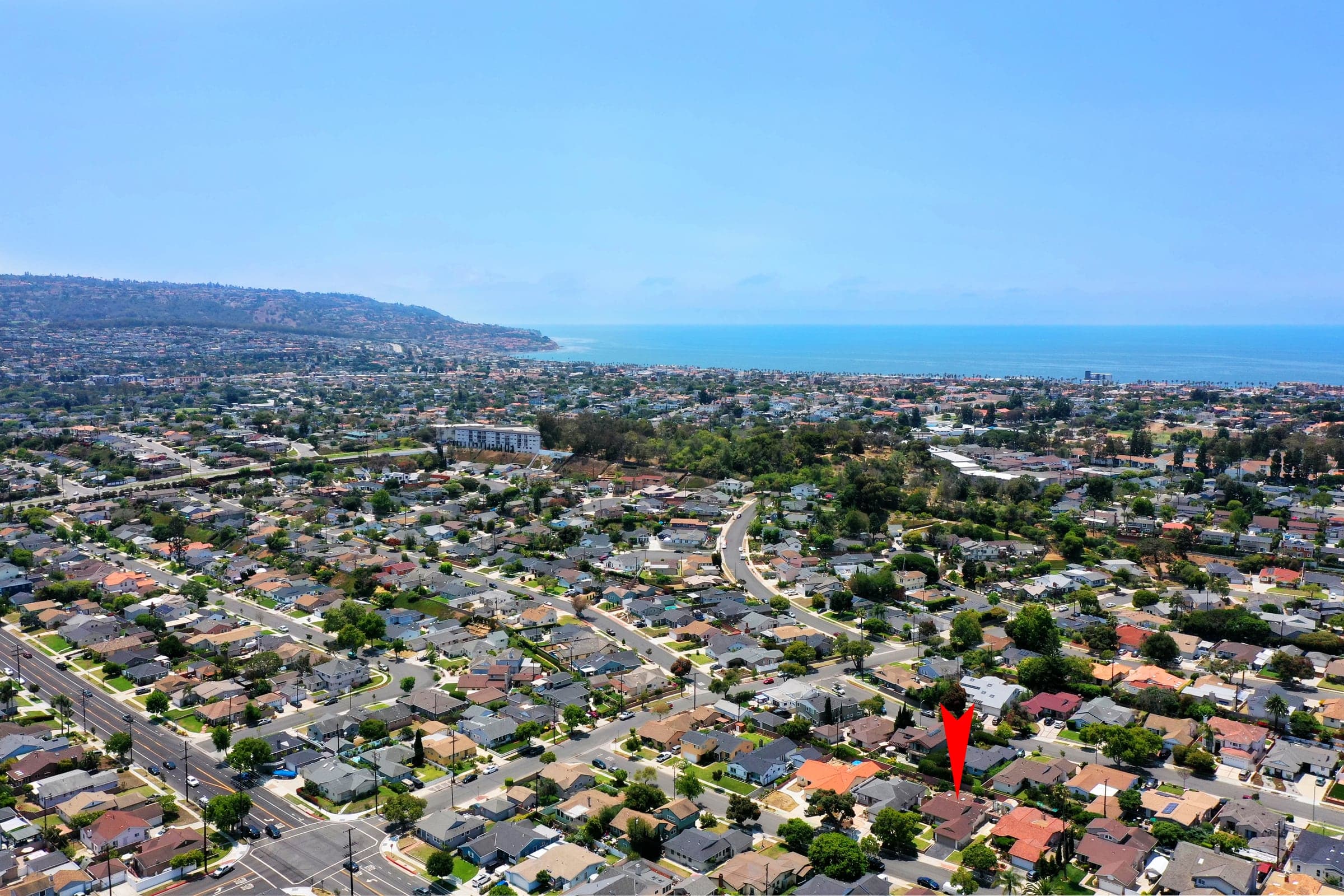
Bolsa Chica Wetlands Realtor: How to Buy a Home Near the Reserve
The neighborhoods that border the reserve, what they really cost, and the honest read from a father-and-son team that has owned on the Bolsa Chica side of Huntington Beach since 1980.
Direct answer
If you want a realtor to help you buy a home near the Bolsa Chica Wetlands in northwest Huntington Beach, here is the short version. The homes closest to the roughly 1,300-acre Bolsa Chica Ecological Reserve sit in a handful of neighborhoods: [Brightwater](/communities/brightwater) on the mesa above the wetlands, [Bolsa Landmark](/communities/bolsa-landmark) and the streets off Los Patos and Warner, the inland Bolsa Chica-side tracts around Springdale, Slater, and Graham, and [Huntington Harbour](/communities/huntington-harbour) just to the south. Recent prices have run from roughly $1.1M on the inland side to well past $2M for the newer view homes and Harbour waterfront. Ratowsky Group at Compass has sold this side of Huntington Beach since 1977, and Craig Ratowsky has owned a home a short bike ride from the reserve since 1980. We give you the honest read on which streets actually see the wetlands, what the HOA and carrying cost really cost, whether the view is protected, and what a home here should sell for. We are not flood, environmental, or tax professionals, so we bring the right experts in early.
Who is the best realtor for buying a home near the Bolsa Chica Wetlands?
No official body crowns a single best realtor for the Bolsa Chica area, so the more useful question is who actually knows this specific corner of Huntington Beach. Buying near a protected wetland is not the same as buying downtown by the pier or on a Huntington Harbour island. These neighborhoods price on different drivers, the diligence is different, and a large part of the value is tied to open space that a portal estimate cannot see. You want a realtor who has spent real time on this side of town, not one who works it from a distance.
Ratowsky Group at Compass is a father-and-son team with third-generation California roots and about 900 homes sold since 1977. Craig Ratowsky has sold Huntington Beach since 1977 and bought his own home on the Bolsa Chica side of the city in 1980. His son Justin, a third-generation California Realtor who grew up in that same neighborhood, runs the team's marketing and buyer work. Between them, the read on the Bolsa Chica pocket is first-hand: which streets see the water, which back up to the reserve, where the flood maps actually matter, and how the newer view homes compare to the older inland tracts.
The honest move, and the one we would tell you to make with any team, is to weigh a realtor against real criteria: genuine local knowledge, a track record on both sides of the deal, a clear plan, contract competence that protects you, and references you can check. Ratowsky Group brings 58 years of combined experience, a 5.0 client rating, and RealTrends Verified recognition among the top 1.5% of small teams nationwide for 2026. On this page we lay out the neighborhoods, the reserve, the numbers, and the diligence, so you can judge the area and judge us on the same set of facts.
What does it actually mean to live near the Bolsa Chica Wetlands?
The Bolsa Chica Ecological Reserve sits in northwest Huntington Beach, with its main entrance and parking lot on Warner Avenue near Pacific Coast Highway. It is a broad, low basin of salt marsh, open water, and mudflats framed on its inland and southern edges by a raised bluff, the Bolsa Chica mesa. When people say they want to live near the wetlands, they usually mean one of three things, and the price gap between them is large, so it pays to be precise about which one you are actually buying.
The first tier is the true view homes on the mesa and bluff, where the lots look out over the reserve toward the ocean and Catalina beyond. The second is the streets that border the reserve edge along Los Patos and the north side of the wetlands, close enough to walk to the trails in a few minutes. The third, and by far the largest, is the broader Bolsa Chica side of Huntington Beach, the established inland tracts a short bike ride from the reserve where most families who say they live near Bolsa Chica actually live. All three are legitimately near the wetlands. Only the first two carry a genuine, permanent view premium.
This distinction matters because a listing can imply wetland proximity without delivering a wetland view. We have walked buyers off homes that were priced as if they overlooked the reserve when the view was really of a neighbor's roofline. The shared amenity that every nearby resident does get, view or not, is access to the reserve itself: about five miles of public trails, a boardwalk over the marsh, and one of the last large coastal wetlands in Southern California a few minutes from the front door. That is the real draw, and it belongs to the whole area.
Which neighborhoods are closest to the Bolsa Chica Wetlands?
A handful of neighborhoods sit closest to the reserve, and they serve very different buyers. The newest and highest-profile is Brightwater, a master-planned community of luxury homes built largely between 2007 and 2014 on the Bolsa Chica mesa. Its front-row streets capture views of the Pacific, Catalina, and the wetlands, the construction is modern, and there are no private docks. Brightwater carries a two-layer HOA, so the monthly carry runs above a comparable resale elsewhere in the city. For a newer home with a protected view and standard purchase diligence, it is often the first stop.
Just off the reserve, Bolsa Landmark and the established streets near Los Patos and Warner put you at the wetland edge in older, well-kept single-family homes, generally at a lower entry point than the mesa's newer product. To the south, Huntington Harbour is the waterfront alternative, islands and mainland streets where many homes carry a private dock and direct access to open water. It is a different lifestyle and a different diligence, seawalls and docks rather than mesa and marsh, but it is minutes away and often on the same buyer's list. To the southwest, the Edwards bluff and Seacliff area rise above the wetlands toward the golf course and the sand.
Then there is the broad inland Bolsa Chica side, the value heart of the area. Neighborhoods like Dutch Haven and the Hope View tracts around Springdale, Slater, Graham, and Talbert are runs of 1960s single-story mid-century homes on generous lots. They are not on the water and not on the bluff, and they are priced accordingly, which is exactly the point: they give a family a real Huntington Beach foothold a bike ride from the reserve without a view premium. This is the neighborhood Craig has owned in since 1980 and where Justin grew up, so we know its two tract sections, its school boundaries, and its flood maps in detail.
Quick orientation, by tier (confirm current comps for any specific address)
- Brightwater (mesa, newer luxury, true reserve and ocean views): often $2M and up, plus HOA dues
- Bolsa Landmark and the reserve-edge streets off Los Patos and Warner: established single-family, generally lower entry than the mesa
- Inland Bolsa Chica side, Dutch Haven and the Hope View tracts: recent single-family medians roughly $1.1M to $1.5M, no view premium
- Huntington Harbour (waterfront and docks, just south): recent medians well past $2M, with seawall and dock diligence
- Seacliff and the Edwards bluff (rising above the wetlands toward the golf course): single-family medians commonly near or above $1.9M
How does the Bolsa Chica market differ from the rest of Huntington Beach?
Huntington Beach does not behave like one market, and the Bolsa Chica side has its own rhythm. Downtown near the pier trades on walkability and nightlife, Huntington Harbour trades on docks and open water, and Seacliff trades on newer inland luxury near the golf course. The Bolsa Chica neighborhoods trade on something different: proximity to protected open space, newer view product on the mesa, and value on the established inland tracts. A realtor who has only worked the city from a distance tends to miss those seams and comp a home against the wrong pocket, which is how buyers overpay and sellers underprice.
It is also a comparatively thin, tightly held market, especially for the true view homes. Reserve-edge and mesa-view lots do not come up often, and when the right one lists it can draw competitive interest, so a prepared buyer with financing in order and a realtor who hears about inventory early has a real edge. On the inland side, the 1960s single-story tracts turn over more steadily and reward a buyer who knows which of the two Dutch Haven sections a home sits in and how condition and lot size drive price. Knowing the inventory cold, how many single-stories, view homes, and pool homes are actually available right now, is exactly the discipline Craig taught Justin, and it is the reason we can move quickly when the right home appears.
What is the Bolsa Chica Ecological Reserve, and why do buyers want to live near it?
The Bolsa Chica Ecological Reserve is a protected coastal wetland of roughly 1,300 acres, one of the largest remaining saltwater marshes on the Southern California coast. It is owned and managed by the state, with a free public entrance and parking lot at 3842 Warner Avenue. About five miles of public trails run through the lowlands and up onto the mesa, including a boardwalk that crosses the marsh, and most of the acreage beyond the trails is closed to people and reserved for wildlife. It is a working ecosystem first and a park second, which is a large part of why the neighbors value it.
It is also a serious wildlife destination. More than 200 bird species use the reserve, many of them passing through on the Pacific Flyway, the great north-south migration route along the western edge of the continent. Herons, egrets, pelicans, terns, raptors, and shorebirds work the water and the mudflats through the year, and single surveys have counted well over ten thousand shorebirds on the restored flats. For a buyer, that means the open space at your doorstep is alive in a way a manicured park never is.
The reserve you see today is the product of a long fight and a major restoration, and that history is what makes the open space permanent. For decades the Bolsa Chica lowlands were dirt and working oil fields, and the mesa above was slated for far more development than was ever built. A sustained community effort to save Bolsa Chica preserved the lowlands, scaled back the mesa plans, and led to one of the largest coastal wetland restorations on the West Coast, completed in the mid-2000s, when a new tidal inlet reconnected the basin to the ocean and returned former oil-field land to living marsh. The practical result for a homeowner is rare in coastal California: a protected, publicly owned open space that cannot be built out, which protects both the view and the quiet for the long run.
What is it like to live near the Bolsa Chica Wetlands day to day?
Day to day, the reserve is the neighborhood's front yard. Residents walk and jog the trails before work, bring binoculars for the herons, egrets, and pelicans, and watch the light change over the water in the evening. The boardwalk over the marsh is a standing invitation for a slow morning, and the mesa trail opens up the wider view toward the ocean. It is the rare open space that feels wild rather than manicured, and it sits minutes from the front door, which is the whole reason people seek this pocket out.
The location also puts the rest of coastal Huntington Beach within easy reach. From the Bolsa Chica side you can bike to the sand, drop your kids at Junior Guards in the summer, ride up to Sunset Beach and Seal Beach to the north, or head down to the pier and Main Street. Dog Beach and the long strand bike path are close, and Pacific Coast Highway ties the whole coast together. For families, the established inland tracts add small neighborhood parks, quiet streets, and the kind of ride-your-bikes-until-the-streetlights community that is getting harder to find in coastal California.
The honest trade-offs are real and worth knowing before you buy. A living wetland means abundant birdlife, the occasional marsh smell on a still day, and the coastal marine layer that can gray out a summer morning before it burns off. None of that surprises the people who grew up here, and most consider it a small price for open space that cannot be built out. The buyers who end up happiest near Bolsa Chica are the ones who value quiet, nature, and the long view over having nightlife at the doorstep, and the honest thing a good realtor can do is help you figure out which kind of buyer you are before you commit.
Why Ratowsky Group knows the Bolsa Chica side firsthand
In 1980, Craig Ratowsky bought a home on the Bolsa Chica side of Huntington Beach, in the inland Dutch Haven neighborhood a short bike ride from the reserve, for $109,000. He raised his family there. Today that home is worth roughly $1.5M, about fourteen times what he paid, which is as plain an illustration as you will find of what four and a half decades of coastal scarcity does to land value in this city. It is not a waterfront trophy and it never was. It is a well-built family house on good land in the right place, held for the long run, and that is a big part of how the Ratowskys think about buying near the coast.
Justin grew up in that neighborhood. Before he was ten he was rollerblading the streets handing out his dad's notepads while Craig farmed the area for listings, which is why he jokes he has been farming Bolsa Chica since he was eight years old. He was the number-one seller at Hope View Elementary, cookie dough and magazine drives and the top-seller trip, and he learned the business by tagging along to open houses, putting up signs, and listening to his dad on the phone year after year. The work ethic and the neighborhood came together early.
The wetlands were his backyard, and they looked different then. Much of the basin was still dirt and working oil fields, the pumpjacks rocking slowly like mechanical horses, coyotes crossing the trails, kids chasing bunnies and catching lizards and frogs and riding bikes until the streetlights came on. He and his friends would cut through the bean fields where the Rivergate homes stand today, swing out over the open ground on a rope a friend's older brother had rigged high in a tree, reach the flood-control channel they called the dike, then ride down to Junior Guards and boogie-board at Sunset Beach. Some of the dirt-bike jumps they built are under the water the restoration later let back into the reserve.
As an adult, Justin trained on those same trails. He would run from the neighborhood to the beach and put in eight miles around the wetlands, down Pacific Coast Highway, up Seapoint, down off Edwards Hill to Talbert, and home. Now he walks his own kids to the same little neighborhood park, pushes them on the same swings, and builds sandcastles on the same sand. That is three generations of one family on the Bolsa Chica side of Huntington Beach, and it is the difference between a realtor who has studied a neighborhood and one who has lived it. When we tell you what it is like to own near the reserve, the morning marine layer, the birds, the light over the water in the evening, and the honest trade-offs, it comes from decades on the ground, not a listing description.
What should you check before buying a home near the Bolsa Chica Wetlands?
Buying near a restored wetland and former oil field rewards careful diligence, and most of it is straightforward once you know what to look at. The area's history means some parcels have environmental and soils considerations tied to old oil operations, so review the natural hazard and environmental disclosures closely and order the reports the specific property calls for. Much of this corner of the city also sits within the California Coastal Zone, which can affect permits for remodels, additions, and anything that changes the footprint, so confirm what you can and cannot do before you count on a future project.
The money items are the monthly carry and the view. Newer communities like Brightwater can layer master and sub-association HOA dues on top of the mortgage and property tax, and that can add meaningfully to the monthly cost, so model the full carry rather than the loan payment alone. On the view, confirm whether what you are looking at is the protected reserve, which cannot be built out, or a private parcel that could change hands and change the outlook. A view over the reserve is one of the most durable premiums in Huntington Beach precisely because the land behind it is permanently protected.
Finally, treat proximity to the wetlands as parcel-specific rather than a blanket rule. Some homes near the reserve and the inland low areas fall in mapped flood zones and some do not, so pull a FEMA flood-zone determination and review the map for the exact address during your inspection period. And spend time in the neighborhood at different hours: the birds, the occasional marsh smell on a still day, and the marine layer are part of the package, and the buyers who are happiest here are the ones who visited in the morning and the evening before they wrote an offer. We are not flood, environmental, or tax professionals, so we bring in the right licensed experts and coordinate the reports.
Bolsa Chica buyer checklist
- Review environmental, soils, and natural hazard disclosures given the area's oil-field history.
- Confirm whether the property is in the California Coastal Zone and how that affects remodels or additions.
- Model the full monthly carry, including any HOA dues and coastal insurance.
- Confirm whether the view is over the protected reserve or a private parcel that could change.
- Pull a FEMA flood-zone determination for the exact address near the wetlands and inland low areas.
- Visit at different times of day to experience the birds, the marine layer, and the quiet firsthand.
Is a home near the Bolsa Chica Wetlands a good investment?
There are no guarantees in real estate, and the right answer always depends on the specific home, your timeline, and the market you buy in. That said, the Bolsa Chica area has two durable things going for it. The first is coastal land scarcity: there is very little developable land left this close to the Southern California coast, and the value increasingly sits in the land itself. The second is the protected reserve, which means a large share of the open space and the views around these neighborhoods is permanent by law, not subject to the next developer's plans.
Craig's own house is the plainest illustration we can offer. He paid $109,000 for it in 1980 and it is worth roughly $1.5M today, without ever having been a waterfront or a view trophy. That is what patient ownership of good land near the coast has done over one family's time here. The newer view homes on the Brightwater mesa and the reserve-edge streets carry a premium for the outlook and the newer construction; the inland Bolsa Chica-side tracts trade on value and space. Both can make sense depending on what you are optimizing for, and we will run current comparable sales so the decision rests on today's numbers rather than a story. For most buyers here, the honest framing is a long-term hold on scarce coastal land next to open space that cannot be built out.
Selling a home near the Bolsa Chica Wetlands
If you are selling near the reserve rather than buying, the marketing lever is the setting, and it has to be presented for the buyer who actually wants it. A true reserve or ocean view is a durable, hard-to-replace asset, and it deserves to be captured properly: drone and twilight photography that shows the open space and the evening light, copy that names the neighborhood correctly, and pricing built on the right comparable sales rather than a portal estimate that cannot see the view. A home priced against the wrong pocket, mesa view product compared to inland value or the reverse, either leaves money on the table or sits on the market and goes stale.
We prepare these listings the way we prepare any Huntington Beach home. We start with a condition and presentation review, build the pricing case on current comparable sales for the specific tier, and, where it makes sense, use the Compass Private Exclusive pre-market window to test positioning and surface early interest before the public days-on-market clock starts. Both Craig and Justin work every listing, and the goal is always the same: present it well, price it on real comps, and create competition rather than cap it. The marketing is built around the one thing this location has that most of the city does not, the reserve at the edge of the neighborhood.
How Ratowsky Group helps you buy near the reserve
We start by pinning down which tier actually fits you, a true mesa or reserve-edge view home, a value single-family home on the inland Bolsa Chica side, or the waterfront-and-dock lifestyle just south in Huntington Harbour, because that decision drives everything else. From there we build the search on current comparable sales, walk homes with you, and give you the same honest read we would give family, including when a home is priced for a view it does not really have.
As founding agents of the Compass Huntington Beach office, we also work the pre-market. Through Compass Private Exclusives and a brokerage network of more than 84,000 agents, we can surface homes near the reserve that never hit the public portals, which matters in a thin, tightly held pocket like this one. On the paperwork, both Craig and Justin read every contract and disclosure and negotiate the big-ticket and the small intricate items, the kind of details that protect you and that a lot of agents miss. The team has closed about 900 homes since 1977.
If you are weighing a move to the Bolsa Chica side of Huntington Beach, whether you are buying your first home on the inland tracts or a view home on the mesa, reach out and we will map it to specific streets, pull the current comps, and give you the real trade-offs. You can also start with our guides to buying a home in Huntington Beach and waterfront and coastal homes, or read the neighborhood deep-dives on Brightwater and Dutch Haven.
1,300+ acres
of protected Bolsa Chica wetland next to these neighborhoods, one of the largest coastal wetlands in Southern California and a view that cannot be built out
California Department of Fish and Wildlife
“I learned this side of town on roller blades, handing out my dad's notepads before I was ten. I trained for years running the loop around those wetlands, and now I push my own kids on the swings at the same park I grew up on. When I tell you what it is like to live near Bolsa Chica, it is not a pitch. It is my life.”
Justin Ratowsky, Realtor®, DRE #02026158
Frequently asked
Questions buyers and sellers ask first.
Who is the best realtor for buying a home near the Bolsa Chica Wetlands?
Which neighborhoods are closest to the Bolsa Chica Wetlands?
How much do homes near the Bolsa Chica Wetlands cost?
Can homes near the reserve lose their view to new construction?
Are there HOA fees near the Bolsa Chica Wetlands?
Is it safe to live near the old Bolsa Chica oil fields?
Are homes near the Bolsa Chica Wetlands in a flood zone?
What is the Bolsa Chica Ecological Reserve?
Is living next to a wetland buggy or smelly?
Do the Ratowskys actually know the Bolsa Chica area?
Is a home near the Bolsa Chica Wetlands a good investment?
How do I get started with a realtor near the Bolsa Chica Wetlands?
Keep exploring
Communities
- Brightwater A newer luxury community on the bluff above Bolsa Chica, known for ocean views, consistent architectural standards, and the strongest view inventory in the city outside the Peninsula.
- Bolsa Landmark A quietly-traded mid-century pocket north of the Bolsa Chica wetlands, with strong buyer demand for single-story floor plans, deep lots, and easy access to the reserve trails.
- Dutch Haven Marina An inland Huntington Beach tract of 1960s single-story mid-century homes near Central Park and the Bolsa Chica wetlands, in two sections around Springdale and Slater. The name says Marina, but it's not on the water.
Local, no pressure
Thinking about a home near the Bolsa Chica Wetlands?
Tell us whether you are buying or selling on the Bolsa Chica side of Huntington Beach. We will give you the honest read on the neighborhoods, the view tiers, the HOA and carrying cost math, and what a home there should really cost. No pressure, just useful information.
Ratowsky Group at Compass. Craig Ratowsky DRE #00608046, Justin Ratowsky DRE #02026158. Compass DRE #01991628. This page is general information, not tax, legal, or financial advice. For pricing, timing, or negotiation specific to your property, have a direct conversation with Craig and Justin. Equal Housing Opportunity.